Table des matières:
Introduction
Every winter, Strasbourg transforms into a sparkling wonderland, earning its title as the “Capital of Christmas.” But why is Strasbourg the capital of Christmas? This question draws millions of visitors to this enchanting city in the Alsace region of France. The answer lies in a unique blend of history, tradition, and a festive spirit that dates back centuries. In this article, we’ll explore the origins of Strasbourg’s Christmas market, its cultural significance, and what makes it truly deserving of this prestigious title.
The Historical Roots of Strasbourg’s Christmas Market
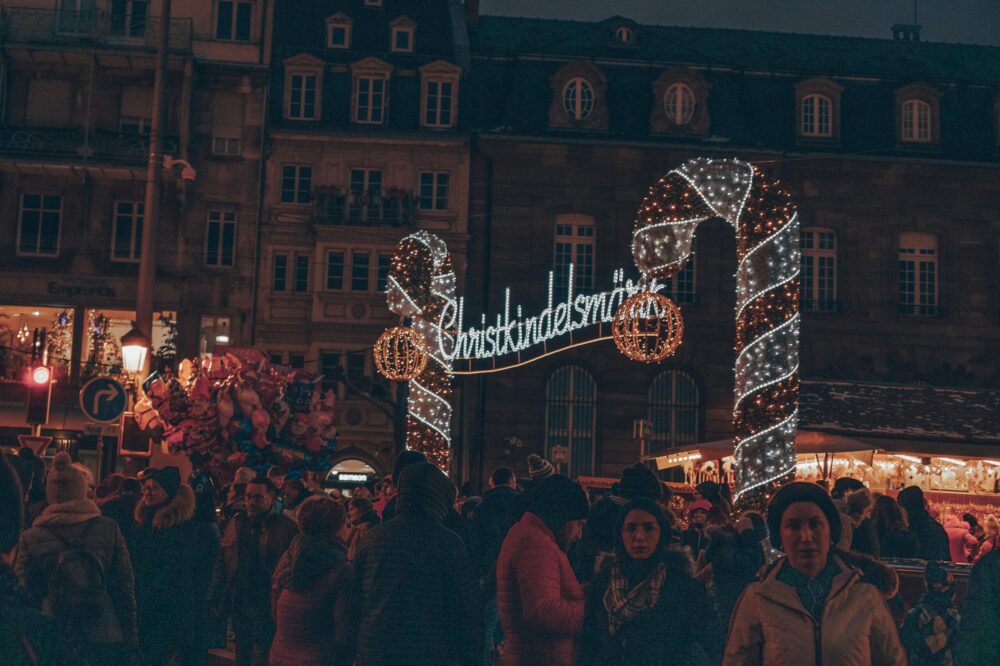
Strasbourg’s association with Christmas began in 1570, when the first Christkindelsmärik (Christ Child Market) was held. This makes it one of the oldest Christmas markets in Europe. The market started as a small gathering where locals could buy gifts and treats for the holiday season. Over the centuries, it grew in size and reputation, eventually becoming the sprawling event we know today. The city’s location at the crossroads of French and German cultures also contributed to its unique festive traditions, blending the best of both worlds.
The Role of Alsatian Traditions
Alsace, the region surrounding Strasbourg, has a rich cultural heritage that heavily influences the city’s Christmas celebrations. Traditional Alsatian decorations, such as hand-painted wooden ornaments and intricately carved nativity scenes, are a staple of the market. Local craftsmen sell these items, preserving centuries-old techniques. The famous Alsatian Christmas stollen, a fruitcake-like bread, and bredele (small butter cookies) are also must-try treats that add to the festive atmosphere.
The Strasbourg Christmas Market: A Sensory Experience
Why is Strasbourg the capital of Christmas? One visit to its Christmas market provides a clear answer. The market spans multiple locations across the city, with the main square, Place de la Cathédrale, hosting the iconic tree and hundreds of stalls. The scent of mulled wine, roasted chestnuts, and cinnamon fills the air, while twinkling lights illuminate the Gothic cathedral. The market is not just a shopping destination; it’s a feast for the senses.
Key Attractions of the Market
- The Great Christmas Tree: A towering 30-meter tree decorated with thousands of lights, symbolizing the city’s festive spirit.
- Local Artisans: Over 300 stalls offering handmade crafts, from pottery to textiles, perfect for unique gifts.
- Gastronomic Delights: Sample Alsatian specialties like flammekueche (tarte flambée), choucroute, and bredele.
- Concerts and Shows: Live music and performances at various stages, including the cathedral square.
The Cathedral and Its Role in the Christmas Magic
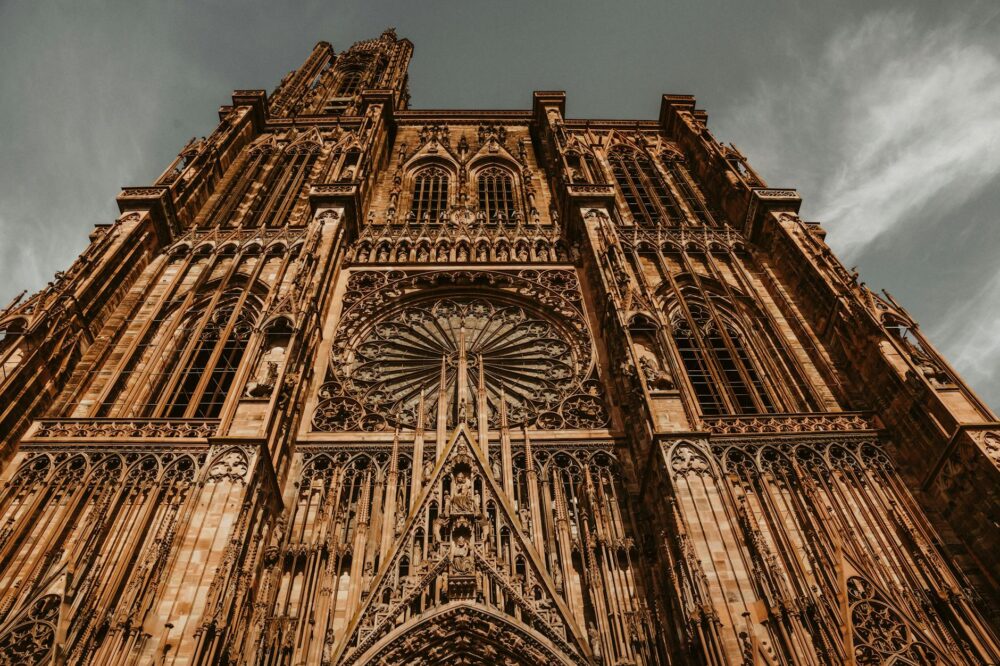
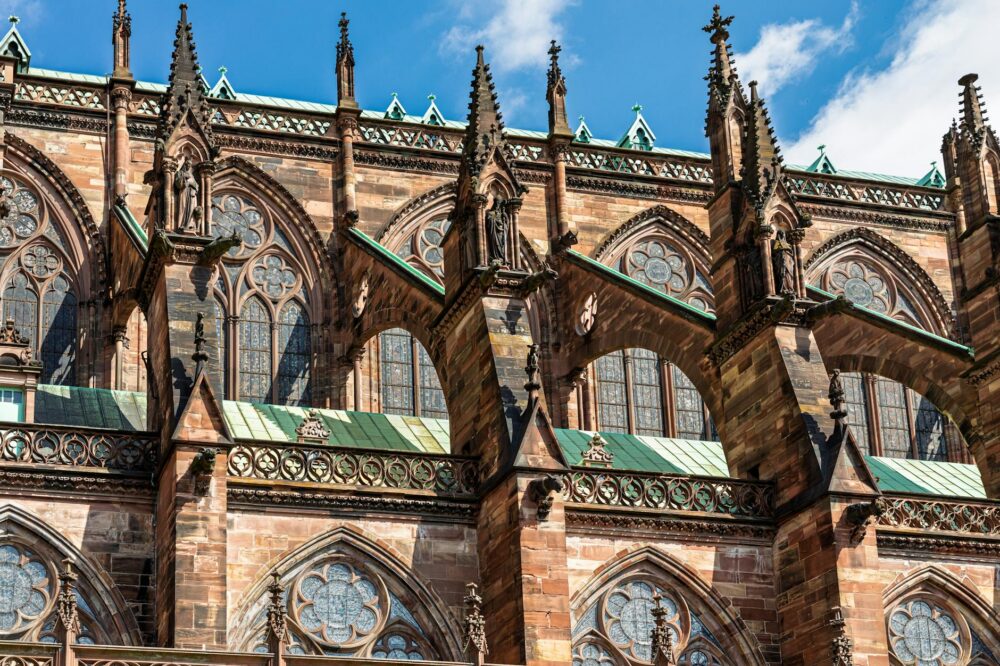
Strasbourg Cathedral, a masterpiece of Gothic architecture, plays a central role in the city’s Christmas celebrations. Its towering spire and intricate facade are beautifully illuminated during the season. The cathedral hosts special Advent concerts and nativity scenes, drawing both locals and tourists. The combination of the cathedral’s grandeur and the market’s warmth creates an unforgettable atmosphere that solidifies Strasbourg’s claim as the capital of Christmas.
Beyond the Market: Strasbourg’s Christmas Spirit
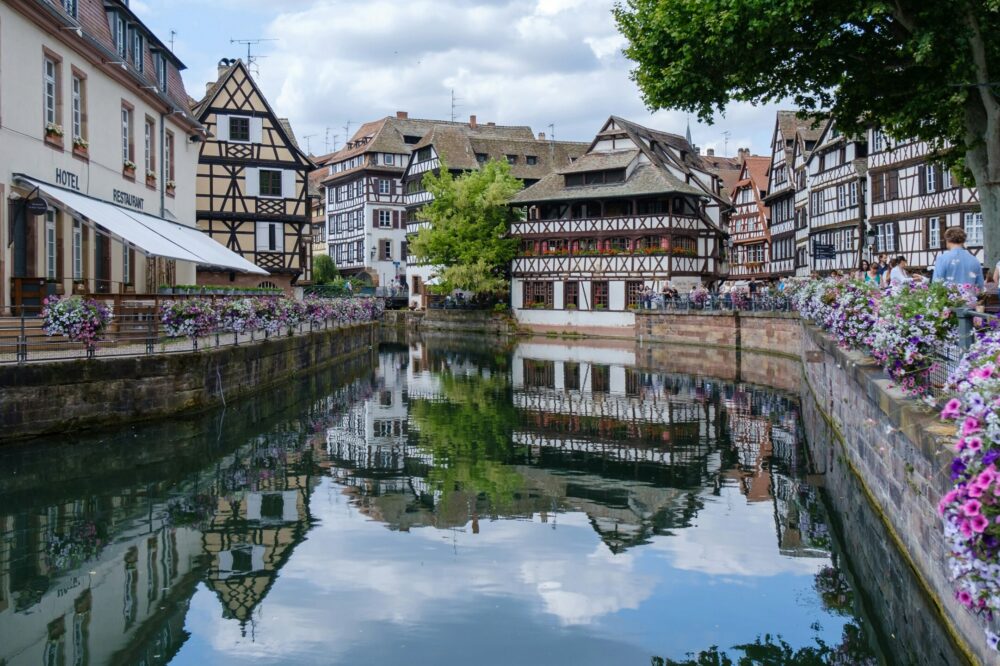
The title “Capital of Christmas” isn’t just about the market; it’s about the entire city embracing the holiday spirit. Streets are decorated with lights, windows are adorned with festive displays, and even public transport gets a holiday makeover. The city’s commitment to creating a magical environment is evident in every corner. From the Petite France district with its half-timbered houses to the modern shopping streets, Strasbourg becomes a living Christmas card.
Family-Friendly Activities
- Christmas Workshops: Children can participate in cookie decorating and ornament-making.
- Santa’s Village: A dedicated area with rides, games, and visits with Father Christmas.
- Ice Skating Rink: Located near the cathedral, offering fun for all ages.
How Strasbourg Competes with Other Christmas Capitals
Several cities claim the title of Christmas capital, including Nuremberg, Vienna, and Prague. However, Strasbourg stands out due to its unique blend of French and German traditions, its historic market, and its official designation by the European Parliament. In 1992, Strasbourg was officially named the “Capital of Christmas” by the European Christmas Market association, recognizing its exceptional festive offerings. This official title, combined with its long history, gives Strasbourg an edge over competitors.
Practical Tips for Visiting Strasbourg at Christmas
If you’re planning a trip to experience why Strasbourg is the capital of Christmas, here are some tips:
- Best Time to Visit: Late November to late December, but avoid peak weekends for fewer crowds.
- Getting Around: The city is walkable, but trams and buses are efficient. Consider a Strasbourg Pass for discounts.
- Accommodation: Book early, as hotels fill up quickly. Consider staying in nearby towns like Colmar for a quieter experience.
- Must-Try Foods: Don’t miss the vin chaud (mulled wine), bredele, and the local foie gras.
Conclusion
So, why is Strasbourg the capital of Christmas? It’s a combination of history, tradition, and a relentless commitment to creating a magical holiday experience. From its 16th-century market to its modern-day festivities, Strasbourg offers a Christmas celebration that is both authentic and enchanting. Whether you’re sipping mulled wine under the cathedral’s glow or browsing handmade crafts in Petite France, the city’s festive spirit is undeniable. Plan your visit and discover for yourself why Strasbourg truly deserves its title as the Capital of Christmas.
Photo by Filiz Elaerts on Unsplash