Rome, the Eternal City, is a treasure trove of history, art, and culture. While many attractions come with a price tag, you can still experience its ancient wonders without spending a dime. In 2026, several iconic historical sites offer free admission, especially on certain days or times. This guide answers the question: What free historical sites are in Rome in 2026? We’ll cover the must-see locations, practical tips, and how to make the most of your budget-friendly visit.
Table des matières:
Why Visit Free Historical Sites in Rome in 2026?
Rome’s history spans over 2,500 years, and many of its landmarks are accessible for free. In 2026, the Italian government and local authorities continue programs that allow visitors to explore these sites without charge. Visiting free historical sites not only saves money but also lets you immerse yourself in the city’s rich past. Whether you’re a history buff or a casual traveler, knowing what free historical sites are in Rome in 2026 will enhance your trip.
Top Free Historical Sites in Rome in 2026
Here is a curated list of the best free historical sites you can visit in Rome in 2026. Each offers a unique glimpse into different eras of Roman history.
1. The Colosseum (Free on First Sunday of the Month)
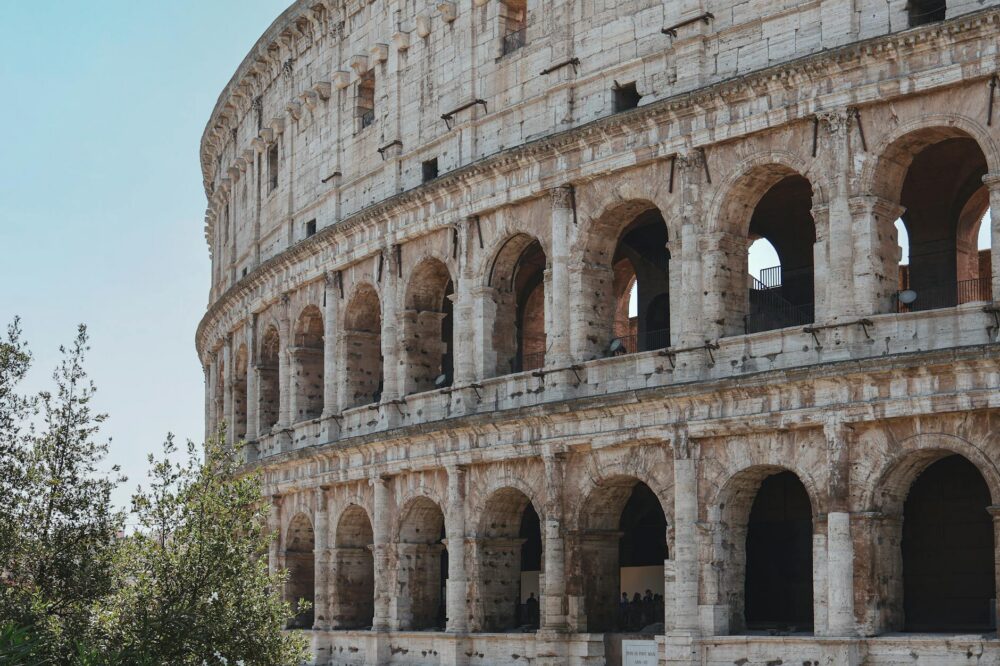
The Colosseum, Rome’s most iconic landmark, offers free admission on the first Sunday of every month. In 2026, this includes January 4, February 1, March 1, and so on. Arrive early to avoid long queues. While the Colosseum is usually ticketed, this free day allows you to explore the ancient amphitheater where gladiators once fought. Note that the free entry applies to the standard ticket, not special exhibitions.
2. Roman Forum and Palatine Hill (Free on First Sunday)
Adjacent to the Colosseum, the Roman Forum and Palatine Hill are also free on the first Sunday of the month. These archaeological sites were the center of ancient Roman public life. Wander through the ruins of temples, basilicas, and imperial palaces. The combined ticket normally costs €16, but on free days, you can access all three sites (Colosseum, Forum, Palatine) for free.
3. Pantheon (Free with Reservation, but Check 2026 Updates)
The Pantheon, a former Roman temple turned church, is a marvel of ancient engineering. As of 2024, it introduced a €5 entry fee for tourists, but residents and certain visitors (e.g., under 18) still enter free. In 2026, check official sources: on special days (e.g., European Heritage Days), it may be free for all. For now, it remains a low-cost or free option for eligible visitors.
4. Trevi Fountain (Always Free)
The Trevi Fountain is one of the most famous fountains in the world, and it’s always free to visit. While not an ancient site (it was completed in 1762), it’s a historical masterpiece. In 2026, you can toss a coin over your shoulder to ensure your return to Rome. The fountain is especially beautiful at night when it’s illuminated.
5. Piazza Navona (Always Free)
Piazza Navona is a public square built on the site of the Stadium of Domitian, an ancient Roman athletic arena. Today, it features three magnificent fountains, including Bernini’s Fountain of the Four Rivers. Strolling through the piazza is free, and you can admire the Baroque architecture and street artists.
6. Spanish Steps (Always Free)
The Spanish Steps, a monumental stairway of 135 steps, connect the Piazza di Spagna with the Trinità dei Monti church. Built in the 18th century, they are a popular meeting place. Climbing the steps offers a great view of the city. In 2026, sitting on the steps is prohibited (to protect them), but you can still walk up and down for free.
7. Altare della Patria (Free Access to Lower Levels)
The Altare della Patria (Altar of the Fatherland) is a massive monument to Victor Emmanuel II. While the rooftop terrace has a fee, the lower levels and the museum are free. The monument houses the Tomb of the Unknown Soldier and offers insights into Italian unification.
8. Vatican City (Free on Last Sunday of the Month)
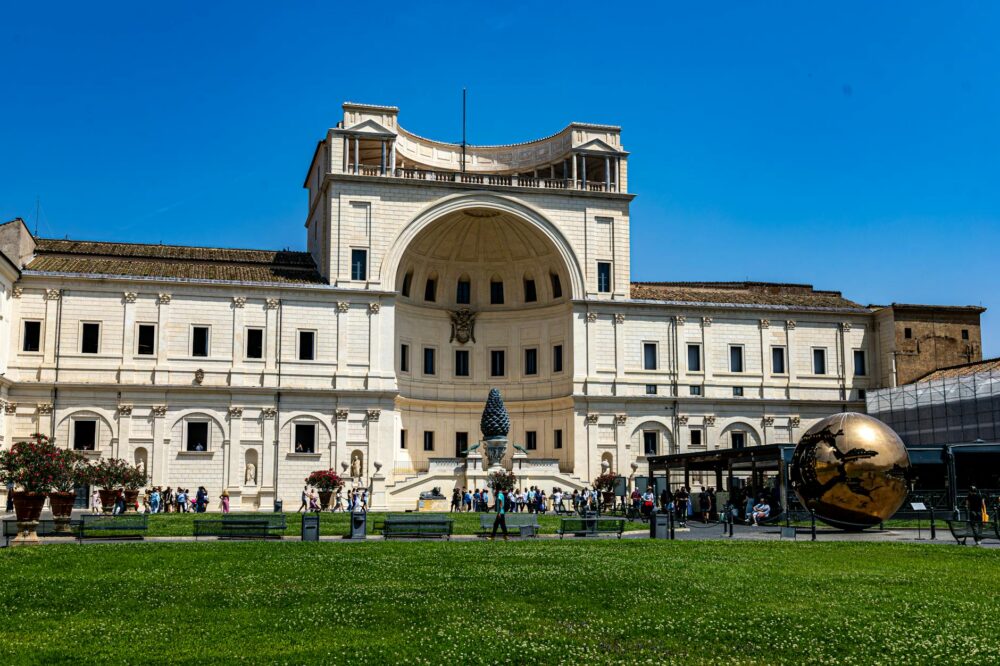
While not technically Rome, Vatican City is a short walk away. The Vatican Museums, including the Sistine Chapel, are free on the last Sunday of every month (e.g., January 31, February 28, etc.). In 2026, mark your calendar for these dates. Expect huge crowds, so arrive early. St. Peter’s Basilica is always free to enter, but you may need to queue for security.
9. Catacombs of Rome (Free on Certain Days)
The Catacombs, ancient underground burial places, often participate in free admission days like the European Heritage Days (usually in September). In 2026, check the official website for specific dates. The Catacombs of San Callisto and San Sebastiano are popular choices.
10. Other Free Historical Sites
Many churches in Rome house priceless art and are free to enter. For example:
- Santa Maria Maggiore: One of the four major papal basilicas, with stunning mosaics.
- San Giovanni in Laterano: The cathedral of Rome, with its ancient baptistery.
- Santa Maria in Trastevere: A beautiful church with 12th-century mosaics.
How to Plan Your Visit to Free Historical Sites in Rome in 2026
To make the most of these free offerings, plan ahead. Here are some tips:
Check Official Websites for 2026 Dates
Free admission days are subject to change. Always verify on official tourism websites or the sites’ own pages. For example, the Colosseum’s free Sundays are confirmed, but special events may alter schedules.
Arrive Early to Beat Crowds
Free days attract large crowds. For the Colosseum and Vatican Museums, arrive at least 30 minutes before opening. For the Roman Forum, early morning offers a quieter experience.
Combine Free Sites with Paid Attractions
If you have a few days, mix free and paid sites. For instance, visit the Colosseum on a free Sunday, then pay for the Borghese Gallery another day.
Use Public Transport
Rome’s metro and buses are efficient. A single ticket costs €1.50 and is valid for 100 minutes. Consider a 24-hour pass for unlimited travel.
What to Expect in 2026: New Free Initiatives
In 2026, Rome may introduce new free entry programs for the Jubilee Year (which actually starts in 2025 but extends into 2026). The Vatican has announced that St. Peter’s Basilica will remain free, and additional churches may open for pilgrims. Keep an eye on the official Rome tourism site for updates.
Conclusion
Rome offers an abundance of free historical sites in 2026, from the iconic Colosseum on the first Sunday to always-free piazzas and fountains. By planning your visit around these opportunities, you can experience the city’s ancient glory without breaking the bank. Remember to check official sources for exact dates and any changes. Whether you’re marveling at the Pantheon’s dome or tossing a coin in the Trevi Fountain, these free sites will make your Roman holiday unforgettable. So, when asking what free historical sites are in Rome in 2026, this guide has you covered. Enjoy your journey through history!
Photo by C1 Superstar on Pexels