Table des matières:
Introduction
The Alsatian Museum (Musée Alsacien) is one of Strasbourg’s most charming cultural institutions, offering an immersive journey into the region’s rich folk heritage. Housed in a cluster of historic 16th- and 17th-century buildings, the museum showcases everyday life in Alsace during the 18th and 19th centuries. From intricately decorated furniture and traditional costumes to religious artifacts and reconstructed interiors, the museum brings Alsatian traditions to life.
For visitors seeking to understand what makes Alsace unique, the Alsatian Museum provides an authentic, hands-on experience. This article explores everything you need to know about the museum: its history, collections, must-see exhibits, and practical tips for your visit.
History of the Alsatian Museum
Founded in 1902 by a group of local intellectuals and artists, the Alsatian Museum was created to preserve the region’s fast-disappearing rural culture. At the time, industrialization was transforming Alsace, and traditional crafts, costumes, and customs were at risk of being forgotten. The museum’s founders collected objects from across the region, aiming to document and celebrate Alsatian identity.
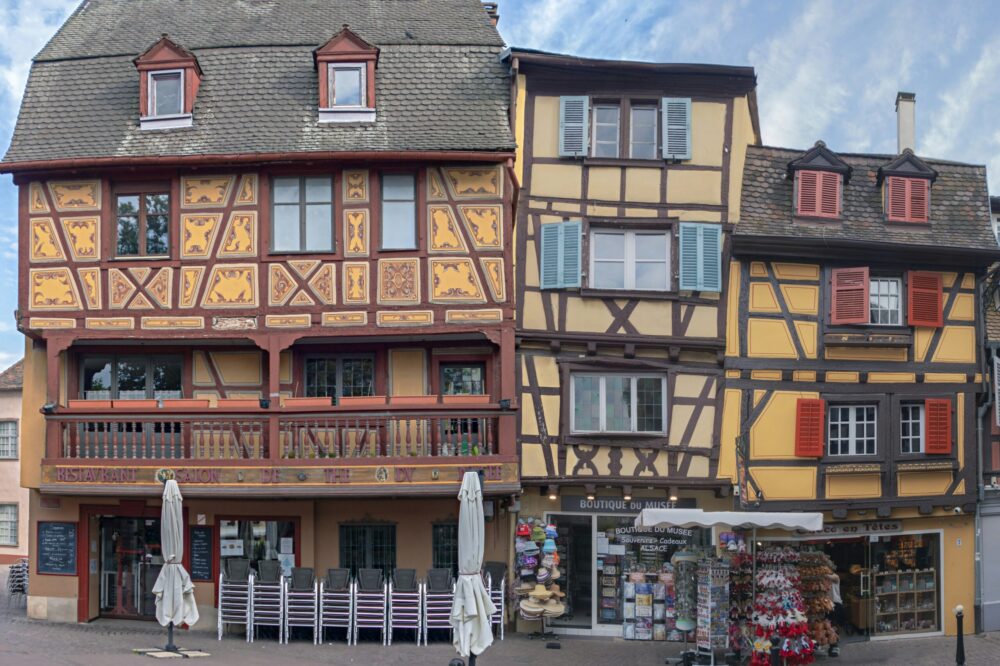
The museum initially opened in a single building on Quai Saint-Nicolas, but it quickly outgrew its space. In 1917, it moved to its current location, a group of interconnected Renaissance-era houses on Quai Saint-Thomas. These buildings themselves are historical artifacts, with their original half-timbered facades, courtyards, and staircases.
What to See at the Alsatian Museum
Reconstructed Interiors
The heart of the museum is its series of reconstructed rooms that recreate typical Alsatian homes from different social classes and regions. You’ll see:
- A Stube (living room) with a tiled stove, wooden paneling, and a dining table set for a family meal.
- A bedroom featuring an elaborate canopy bed, hand-embroidered linens, and a cradle.
- A kitchen with a cast-iron stove, copper pots, and earthenware dishes.
- A wine cellar complete with large barrels and tasting tools, reflecting Alsace’s winemaking tradition.
Each room is furnished with authentic pieces, giving visitors a tangible sense of daily life in the 1800s.
Traditional Costumes
The Alsatian Museum boasts an extensive collection of regional costumes, including the famous Alsatian headdresses. These elaborate caps, often adorned with ribbons and lace, varied by village and indicated the wearer’s marital status and religion. The museum displays both everyday clothing and festive attire, along with accessories like jewelry, shawls, and aprons.
Furniture and Woodwork
Alsatian furniture is known for its intricate carvings and vibrant painted decorations. The museum features examples of peasant furniture, such as wardrobes, chests, and benches, often decorated with folk motifs like hearts, flowers, and birds. A highlight is the collection of painted furniture from the Kochersberg region, which displays bright colors and symbolic designs.
Ceramics and Pottery
Alsace has a long tradition of pottery, and the museum showcases a wide range of earthenware, stoneware, and faience. Look for the distinctive Soufflenheim pottery, known for its red clay and yellow or green glazes, and the blue-and-white patterns of Sarreguemines.
Religious and Folk Art
The museum also includes a section on religious folk art, with carved altarpieces, statues of saints, and ex-votos. These objects reveal the deep Catholic and Protestant faiths that shaped Alsatian communities. Additionally, you’ll find items related to superstitions and folk medicine, such as amulets and charms.
Tools and Trades
From winegrowing to weaving, the museum documents traditional crafts through tools, models, and dioramas. A reconstructed winemaker’s workshop shows the process of grape harvesting and winemaking, while a weaver’s loom demonstrates textile production. Other exhibits cover cooperage, baking, and farming.
Practical Information for Visitors
Location and Hours
The Alsatian Museum is located at 23 Quai Saint-Thomas, in the historic center of Strasbourg, near the Cathedral and the Petite France district. It is open Wednesday to Monday (closed on Tuesdays) from 10:00 AM to 6:00 PM. In July and August, it stays open until 7:00 PM. The museum is closed on January 1, May 1, November 1, and December 25.
Tickets and Admission
As of 2025, ticket prices are:
- Adults: €7.50
- Reduced rate (students, seniors): €5.50
- Free for children under 18 and EU residents under 26
- Free on the first Sunday of each month
The museum is also included in the Strasbourg Museum Pass, which offers access to several museums for a discounted price.
Accessibility
The museum is partially accessible to visitors with reduced mobility. The ground floor and some exhibition rooms are wheelchair-friendly, but due to the historic nature of the buildings, upper floors may be challenging. It is advisable to contact the museum in advance for specific accessibility information.
Guided Tours and Activities
The museum offers guided tours in French and English (upon request). Audio guides are available in several languages, including English, German, and Italian. For families, there are activity booklets and occasional workshops for children.
Why Visit the Alsatian Museum?
The Alsatian Museum is more than a collection of artifacts; it is a window into the soul of Alsace. Unlike larger, more modern museums, it focuses on the intimate details of everyday life. Visitors often remark on the sense of stepping back in time, surrounded by the smells, textures, and colors of a bygone era.
The museum is especially rewarding for those interested in ethnography, folk art, or European cultural history. It also provides context for understanding Alsatian traditions that persist today, such as the Christmas markets, wine festivals, and local cuisine.
Comparison with Other Strasbourg Museums
Strasbourg is home to several excellent museums, but the Alsatian Museum stands out for its focus on folk culture. While the Musée d’Art Moderne et Contemporain covers modern art and the Palais Rohan houses fine arts and archaeological collections, the Alsatian Museum offers a more personal, grounded experience. It pairs well with the Historical Museum of Strasbourg, which covers the city’s urban history, and the Cathedral Museum, which focuses on religious art.
Tips for Making the Most of Your Visit
- Allow at least 1.5 to 2 hours to explore the museum thoroughly.
- Take the audio guide for detailed explanations of the exhibits.
- Visit the museum shop for unique souvenirs like reproduction pottery or books on Alsatian traditions.
- Combine your visit with a walk through the Petite France district, just steps away.
- Check the museum’s website for temporary exhibitions, which often delve deeper into specific aspects of Alsatian culture.
Conclusion
The Alsatian Museum is a must-visit for anyone wanting to understand the heart of Alsace. Through its carefully preserved rooms, costumes, furniture, and tools, it tells the story of a region proud of its heritage. Whether you are a history buff, a culture enthusiast, or simply a curious traveler, the Alsatian Museum offers a memorable and enriching experience. Plan your visit today and discover why this museum remains one of Strasbourg’s most beloved attractions.
Photo by Snap Wander on Unsplash