Table des matières:
Do I Need to Speak Spanish or Catalan to Get By in Barcelona? A Practical Guide
Barcelona, with its stunning architecture, vibrant culture, and Mediterranean charm, attracts millions of visitors and expats each year. As you plan your trip or move, a common question arises: Do I need to speak Spanish or Catalan to get by in Barcelona? The short answer is no, but understanding the local language landscape can significantly enhance your experience. This article provides a clear, professional guide to navigating Barcelona’s linguistic environment, offering practical tips for travelers, tourists, and new residents alike.
Understanding Barcelona’s Language Landscape
Barcelona is the capital of Catalonia, a region in Spain with a distinct cultural and linguistic identity. This means two official languages coexist: Spanish (Castilian) and Catalan. While Spanish is widely spoken across Spain, Catalan holds a special place in Catalonia, including Barcelona. It’s used in government, education, and daily life by many locals. For visitors, this bilingual setting might seem daunting, but it’s manageable with some basic knowledge.
When asking, “Do I need to speak Spanish or Catalan to get by in Barcelona?” it’s helpful to know that English is increasingly common in tourist areas, hotels, and restaurants. However, venturing beyond these zones or engaging with locals in everyday situations can benefit from some language skills. In this guide, we’ll break down where each language is used, essential phrases to learn, and strategies for communication without fluency.
Where Spanish and Catalan Are Used in Barcelona
To navigate Barcelona effectively, it’s useful to understand the contexts in which Spanish and Catalan are spoken. This knowledge can help you decide which language to prioritize based on your needs.
Tourist Areas and Hospitality
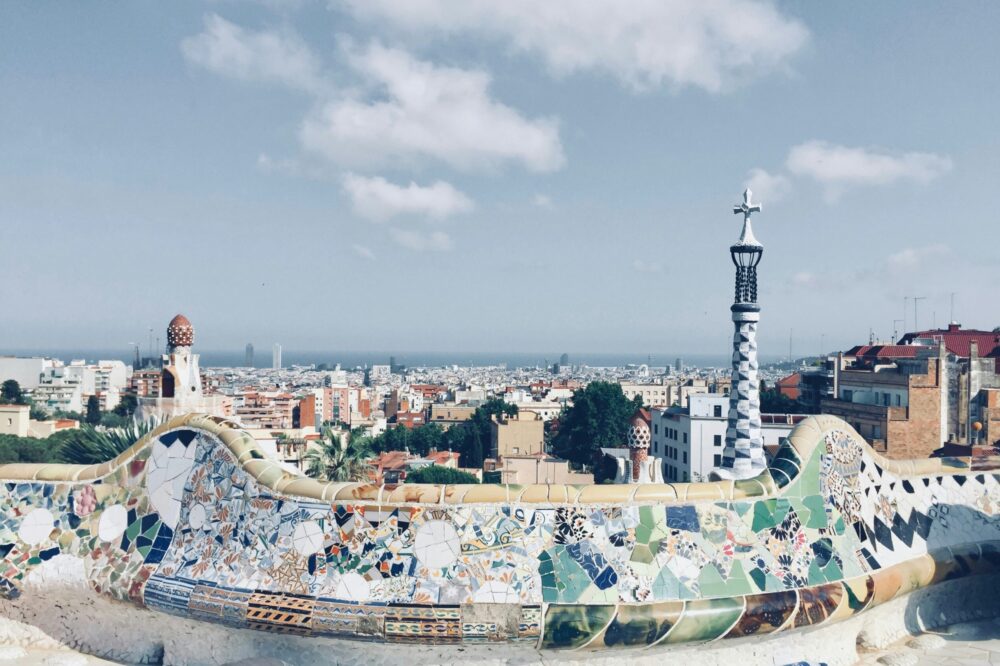
In popular tourist spots like La Rambla, Sagrada Familia, and Park Güell, you’ll find that many service workers speak English. Hotels, tour operators, and upscale restaurants often have staff proficient in English to cater to international visitors. Signs and menus in these areas are frequently available in multiple languages, including English. So, if you’re only visiting for a short trip, you might not need to speak Spanish or Catalan extensively.
However, learning a few basic phrases in Spanish or Catalan can go a long way in showing respect and improving interactions. For example, a simple “Hola” (hello in Spanish) or “Bon dia” (good day in Catalan) can make locals more receptive. When considering whether you need to speak Spanish or Catalan to get by in Barcelona, remember that even minimal effort is appreciated.
Local Neighborhoods and Daily Life
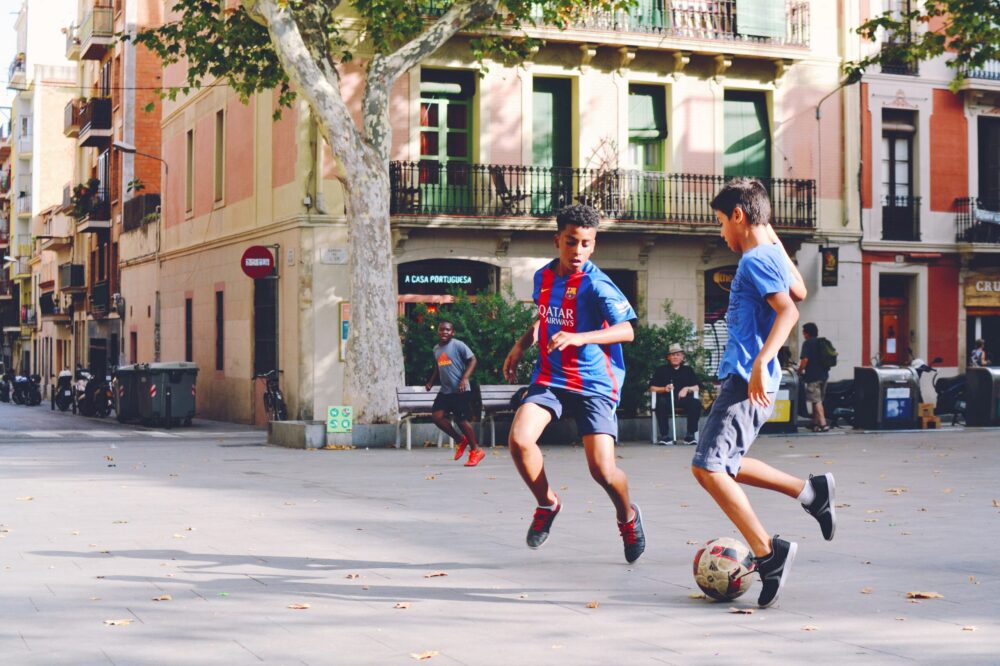
Outside tourist hubs, in residential areas or local markets, Catalan and Spanish are more prevalent. Many Catalans prefer to speak Catalan in social and family settings, while Spanish is also widely understood and used. In shops, pharmacies, or public transportation, you might encounter signs and announcements in both languages, but staff may have limited English.
For expats or long-term visitors, learning some Spanish or Catalan becomes more important. It can help with tasks like renting an apartment, dealing with bureaucracy, or making friends. While you don’t need fluency to get by, basic proficiency can ease daily challenges and enrich your cultural immersion.
Essential Phrases to Learn for Barcelona
Whether you choose to focus on Spanish or Catalan, knowing key phrases can enhance your experience in Barcelona. Here are some useful terms to get started.
- Greetings: In Spanish, use “Hola” (hello) and “Gracias” (thank you). In Catalan, try “Bon dia” (good day) and “Gràcies” (thank you).
- Basic Questions: “¿Dónde está…?” (Where is…? in Spanish) or “On és…?” (in Catalan) for directions. “¿Cuánto cuesta?” (How much does it cost? in Spanish) or “Quant costa?” (in Catalan) for shopping.
- Polite Expressions: “Por favor” (please in Spanish) or “Si us plau” (in Catalan). “Lo siento” (I’m sorry in Spanish) or “Ho sento” (in Catalan).
These phrases can help you navigate common situations without needing to speak Spanish or Catalan fluently. Practice them before your trip to build confidence.
Tips for Communicating Without Fluency
If you’re concerned about language barriers, there are effective strategies to communicate in Barcelona without speaking Spanish or Catalan proficiently. These tips can make your stay smoother and more enjoyable.
Use Technology and Apps
Leverage translation apps like Google Translate or Duolingo for real-time assistance. Many apps offer voice translation and offline modes, which are handy when internet access is limited. You can use them to translate signs, menus, or conversations on the go. This reduces the pressure to speak Spanish or Catalan perfectly while still enabling communication.
Additionally, learning apps can help you pick up basic vocabulary before your visit. Even spending 10-15 minutes daily can improve your ability to get by in Barcelona. Remember, the goal isn’t mastery but functional use in key situations.
Body Language and Gestures
Non-verbal communication can bridge language gaps. Simple gestures, like pointing at items or using hand signals for numbers, are universally understood. Smiling and maintaining a friendly demeanor also encourage locals to assist you. In Barcelona, people are generally welcoming, so don’t hesitate to ask for help even if you don’t speak Spanish or Catalan.
When in doubt, carry a phrasebook or note down essential words on your phone. This shows effort and can prevent misunderstandings. For example, having the address of your hotel written down can help taxi drivers or passersby guide you.
Long-Term Considerations for Expats
For those planning to live in Barcelona, the question of whether you need to speak Spanish or Catalan takes on greater significance. While it’s possible to get by with English initially, integrating into the community often requires language skills.
Language Learning Opportunities
Barcelona offers numerous resources for learning Spanish or Catalan. Language schools, community classes, and online courses are widely available. Many expats find that learning Spanish first is practical, as it’s more universally spoken in Spain, but adding Catalan can deepen connections with local culture. Consider your goals: if you’re working or studying, check which language is preferred in your field.
Investing time in language learning can pay off in daily life, from making friends to understanding local media. It also shows respect for Catalonia’s heritage, which locals appreciate. So, while you might not need to speak Spanish or Catalan to get by initially, learning can enhance your long-term experience.
Navigating Bureaucracy and Services
Dealing with official matters, like visas, healthcare, or banking, often requires some language proficiency. Documents and procedures may be in Catalan or Spanish, and not all officials speak English fluently. Hiring a translator or seeking help from expat communities can ease this process. Over time, as you learn the language, these tasks become more manageable.
In summary, for expats, the answer to “Do I need to speak Spanish or Catalan to get by in Barcelona?” evolves. Short-term, you can rely on English and basic phrases, but long-term, learning the local languages is beneficial for integration and convenience.
Conclusion: Balancing Language Needs in Barcelona
In conclusion, do you need to speak Spanish or Catalan to get by in Barcelona? For tourists and short-term visitors, the answer is no—English and basic phrases are often sufficient in key areas. However, learning a few words in Spanish or Catalan can enrich your visit and show cultural respect. For expats and long-term residents, while initial survival is possible without fluency, investing in language skills is advisable for deeper integration and ease in daily life.
Barcelona’s bilingual environment is part of its unique charm. By understanding where each language is used and employing practical communication strategies, you can navigate the city confidently. Whether you’re exploring Gaudí’s masterpieces or settling into a new home, a little language effort goes a long way. Remember, the goal isn’t perfection but connection, so embrace the opportunity to learn and engage with Barcelona’s vibrant culture.
Photo by Moosa Moseneke on Unsplash