Planning a trip from Barcelona to Cap de Creus Natural Park? This comprehensive guide will walk you through all the transportation options, helping you choose the best route for your adventure. Located in the northeastern tip of Catalonia, Cap de Creus is a breathtaking natural park known for its rugged coastline, unique geology, and rich biodiversity. Whether you’re a nature enthusiast, hiker, or photographer, getting there efficiently is key to maximizing your experience. In this article, we’ll explore how to get from Barcelona to Cap de Creus Natural Park by train, bus, car, and organized tours, with practical tips to ensure a smooth journey.
Table des matières:
Understanding Cap de Creus Natural Park
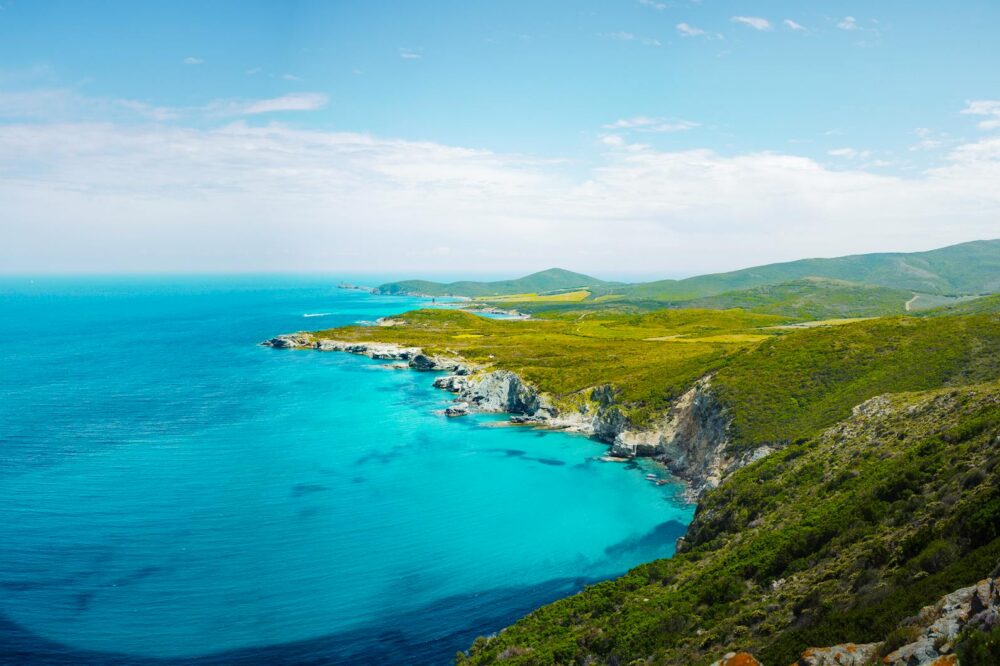
Before diving into transportation details, it’s helpful to know what makes Cap de Creus Natural Park a must-visit destination. Established in 1998, it’s one of Spain’s largest protected coastal areas, covering over 13,000 hectares. The park features dramatic cliffs, hidden coves, and windswept landscapes that inspired artists like Salvador Dalí. Key attractions include the Cap de Creus Lighthouse, Cadaqués village, and numerous hiking trails. Knowing this context can enhance your trip planning as you consider how to get from Barcelona to Cap de Creus Natural Park.
Transportation Options from Barcelona to Cap de Creus Natural Park
There are several ways to travel from Barcelona to Cap de Creus Natural Park, each with its own advantages. The park doesn’t have direct public transport access to its core areas, so most routes involve reaching nearby towns like Figueres, Cadaqués, or Port de la Selva, followed by local transport or walking. Below, we break down the main options to help you decide.
By Train: A Scenic and Convenient Choice
Taking a train from Barcelona to Cap de Creus Natural Park is a popular option for its comfort and scenic views. The journey typically involves two segments: a train to Figueres, followed by a bus or taxi to the park. Start at Barcelona’s main stations, such as Barcelona Sants or Estació de França. High-speed trains (AVE or Avant) to Figueres Vilafant take about 55 minutes, while regional trains (Rodalies) can take around 2 hours. From Figueres, you can catch a bus to Cadaqués or Port de la Selva, which are gateways to the park. Buses run regularly but check schedules in advance, especially off-season. Once in these towns, you can hike or take local taxis to park entrances. This method is ideal for those who prefer avoiding driving and enjoy relaxed travel.
- Pros: Comfortable, scenic, avoids traffic
- Cons: Requires transfers, limited direct access
- Approximate time: 3-4 hours total
- Cost: Train tickets from €20-40, plus bus fares
By Bus: An Affordable Alternative
Buses offer a direct and budget-friendly way to get from Barcelona to Cap de Creus Natural Park. Companies like Sagalés and Sarfa operate routes from Barcelona to towns near the park. From Barcelona’s Nord Bus Station, you can take a bus to Cadaqués or Port de la Selva, with journey times of about 2.5 to 3 hours. Buses are reliable and provide a straightforward option, though they may have fewer daily departures than trains. Upon arrival, you’ll need to walk or use local transport to reach park trails. This is a great choice for solo travelers or those on a tight budget, as it combines affordability with direct service to key access points.
- Pros: Direct to nearby towns, cost-effective
- Cons: Less frequent, longer travel time
- Approximate time: 2.5-3.5 hours
- Cost: Bus tickets from €15-25
By Car: Flexibility and Freedom
Driving from Barcelona to Cap de Creus Natural Park provides the most flexibility, allowing you to explore at your own pace. The route covers approximately 160 kilometers via the AP-7 and GI-614 highways, taking around 2 to 2.5 hours without traffic. Renting a car in Barcelona is easy, with options from major agencies. Once near the park, note that some areas have restricted vehicle access to protect the environment. You can park in designated lots in Cadaqués or Port de la Selva and hike in. This option is perfect for groups, families, or those planning to visit multiple sites in the region, as it offers convenience and control over your itinerary.
- Pros: Flexible, good for groups, access to remote areas
- Cons: Parking limitations, traffic possible
- Approximate time: 2-2.5 hours
- Cost: Rental from €30-60 per day, plus fuel and tolls
By Organized Tour: Hassle-Free Exploration
For a seamless experience, consider booking an organized tour from Barcelona to Cap de Creus Natural Park. Many tour operators offer day trips that include transportation, guided hikes, and visits to highlights like the lighthouse and Dalí’s house in Cadaqués. Tours typically depart from central Barcelona and handle all logistics, making them ideal for first-time visitors or those short on time. While more expensive than DIY options, they provide expert insights and eliminate planning stress. When choosing a tour, look for reputable companies with good reviews to ensure a quality experience.
- Pros: All-inclusive, guided, stress-free
- Cons: Higher cost, less flexibility
- Approximate time: Full-day tours (8-10 hours)
- Cost: Tours from €50-100 per person
Tips for a Successful Trip to Cap de Creus Natural Park
To make the most of your journey from Barcelona to Cap de Creus Natural Park, keep these tips in mind. Check weather conditions before you go, as the park can be windy and exposed. Wear sturdy shoes for hiking and bring water, snacks, and sun protection, as facilities are limited inside the park. If using public transport, verify schedules in advance, especially during weekends or holidays. Consider visiting on weekdays to avoid crowds. Lastly, respect park regulations by staying on marked trails and not littering to help preserve this natural treasure.
Conclusion
Getting from Barcelona to Cap de Creus Natural Park is straightforward with the right planning. Whether you opt for the scenic train, affordable bus, flexible car, or convenient tour, each option offers a unique way to reach this stunning destination. By considering factors like budget, time, and personal preferences, you can choose the best method for your needs. Remember to prepare adequately and enjoy the journey as much as the destination. With this guide, you’re ready to embark on an unforgettable adventure to one of Catalonia’s most beautiful natural parks.
Photo by Amaury Michaux on Pexels