Barcelona is a city renowned for its vibrant festivals, and the Festa Major de Sant Andreu stands out as a cherished local tradition in the Sant Andreu district. This annual celebration, held in late November, honors the patron saint of the neighborhood with a week of cultural events, music, and community spirit. If you’re planning to visit, you might wonder: what is the best way to experience Barcelona’s Festa Major de Sant Andreu? This guide provides a comprehensive answer, offering insights into the festival’s highlights, practical tips, and strategies to immerse yourself fully in this authentic Catalan experience. From traditional dances to modern concerts, we’ll help you navigate the festivities like a local, ensuring you make the most of this unique cultural gem.
Table des matières:
Understanding the Festa Major de Sant Andreu
The Festa Major de Sant Andreu is more than just a festival; it’s a deep-rooted expression of community identity in Barcelona’s Sant Andreu district. Celebrated around November 30th, the feast day of Saint Andrew, this event dates back centuries and blends religious traditions with contemporary entertainment. Unlike larger festivals like La Mercè, it offers a more intimate glimpse into local life, making it a perfect choice for travelers seeking authenticity. To answer what is the best way to experience Barcelona’s Festa Major de Sant Andreu, it’s essential to appreciate its historical and cultural significance. The festival typically features a diverse program including parades, concerts, workshops, and food stalls, all designed to bring residents and visitors together in celebration.
Key Traditions and Events
At the heart of the Festa Major de Sant Andreu are several key traditions that define the experience. These events showcase the neighborhood’s heritage and provide opportunities for active participation. Understanding these elements is crucial for anyone looking to discover the best way to experience Barcelona’s Festa Major de Sant Andreu.
- Correfoc (Fire Run): A thrilling spectacle where participants dressed as devils run through the streets with fireworks, symbolizing the battle between good and evil. It’s a must-see for its energy and visual impact.
- Castellers (Human Towers): Teams build impressive human towers, a UNESCO-listed tradition that demonstrates teamwork and courage. Watching or even joining in can be a highlight.
- Sardana Dances: Traditional Catalan circle dances performed in public squares, offering a chance to observe or learn local customs.
- Concerts and Performances: From local bands to international acts, the festival includes a variety of musical genres, often free to attend.
- Gegants i Capgrossos (Giants and Big-Heads): Large papier-mâché figures paraded through the streets, adding a whimsical touch to the celebrations.
Planning Your Visit: Practical Tips
To ensure you have the best way to experience Barcelona’s Festa Major de Sant Andreu, careful planning is essential. The festival typically runs for about a week, with events scattered throughout the Sant Andreu district. Start by checking the official program, usually released online a few weeks in advance, to identify must-attend activities. Consider timing your visit for the weekend, when the schedule is most packed, but be prepared for larger crowds. Arrive early for popular events like the Correfoc to secure a good viewing spot. Additionally, familiarize yourself with the neighborhood’s layout; Sant Andreu is well-connected by metro (Line 1, Sant Andreu station), making it easy to navigate. Pack comfortable shoes for walking and dress in layers, as November weather in Barcelona can be cool and variable.
Accommodation and Transportation
Choosing where to stay can significantly impact your festival experience. While Sant Andreu has some lodging options, staying in central Barcelona and commuting is often more convenient, given the city’s efficient public transport. The metro runs late during festival nights, but check schedules for any special arrangements. If you prefer a local vibe, book accommodation in advance, as rooms may fill up quickly. For the best way to experience Barcelona’s Festa Major de Sant Andreu, consider using a combination of metro, buses, or even biking to move between events efficiently. Remember that some streets may be closed for parades, so allow extra time for travel.
Immersing in the Local Culture
To truly answer what is the best way to experience Barcelona’s Festa Major de Sant Andreu, focus on cultural immersion. Engage with locals by attending community-led activities, such as workshops on traditional crafts or cooking demonstrations. Don’t hesitate to try speaking a few words of Catalan; simple greetings like “Bon dia” (good day) can go a long way in building connections. Participate in events like the Sardana dances or volunteer opportunities, which often welcome visitors. This approach not only enriches your experience but also supports the neighborhood’s spirit. By embracing the festival’s communal aspect, you’ll gain a deeper appreciation for Sant Andreu’s identity beyond the tourist trail.
Food and Drink Highlights
No festival in Barcelona is complete without indulging in local cuisine, and the Festa Major de Sant Andreu offers plenty of opportunities. Food stalls and pop-up restaurants serve traditional Catalan dishes, providing a taste of the region’s flavors. To enhance your experience, seek out these culinary delights:
- Pa amb tomàquet: Bread rubbed with tomato and olive oil, a Catalan staple.
- Escudella i carn d’olla: A hearty stew often served during winter festivals.
- Crema Catalana: A creamy dessert similar to crème brûlée, perfect for sweet treats.
- Local Wines and Cava: Sample beverages from nearby vineyards to complement your meals.
Exploring these options is a key part of the best way to experience Barcelona’s Festa Major de Sant Andreu, as food brings people together and reflects local traditions.
Maximizing Your Festival Experience
For the best way to experience Barcelona’s Festa Major de Sant Andreu, adopt a flexible and open-minded approach. Balance your schedule between major events and spontaneous discoveries; sometimes, the most memorable moments come from stumbling upon a small street performance or chatting with residents. Use technology wisely: download the festival app or follow social media updates for real-time information on event changes or hidden gems. Consider joining guided tours or cultural walks offered during the festival, which can provide historical context and insider knowledge. Above all, prioritize safety by staying aware of your surroundings, especially in crowded areas, and respecting local customs to ensure a positive experience for everyone.
Capturing Memories Responsibly
While documenting your visit is natural, do so thoughtfully to preserve the authenticity of the festival. Ask for permission before photographing individuals, particularly during intimate ceremonies. Use your camera to capture the atmosphere rather than disrupting events. Sharing your experiences online can help promote the festival, but tag responsibly and avoid geotagging sensitive locations. This respectful approach aligns with the best way to experience Barcelona’s Festa Major de Sant Andreu, as it honors the community’s privacy and cultural integrity.
Conclusion: Embracing the Spirit of Sant Andreu
In summary, the best way to experience Barcelona’s Festa Major de Sant Andreu involves a blend of preparation, participation, and respect for local traditions. By understanding the festival’s history, planning your visit strategically, immersing in cultural activities, and savoring culinary delights, you can create a memorable and authentic experience. Whether you’re watching the Correfoc’s fiery spectacle or dancing the Sardana, this celebration offers a unique window into Catalan life. Remember, the essence of the festival lies in its community spirit, so engage with openness and curiosity. As you explore, you’ll not only answer what is the best way to experience Barcelona’s Festa Major de Sant Andreu but also carry home lasting memories of this vibrant neighborhood’s hospitality and heritage.
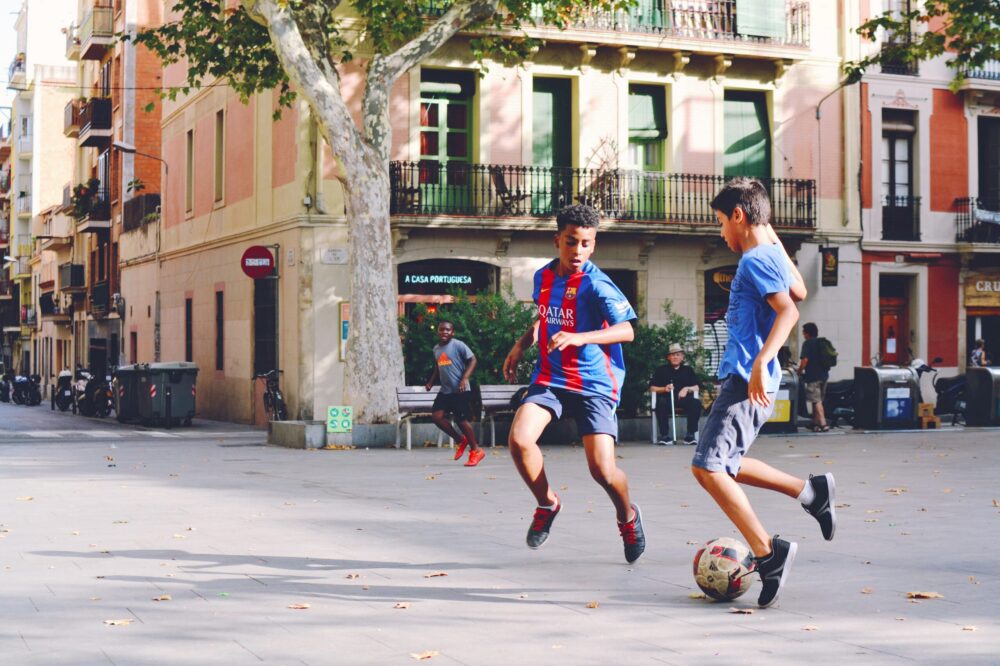
Photo by Moosa Moseneke on Unsplash