Table des matières:
How to Visit the Baths of Caracalla: A Complete Guide to Rome’s Ancient Wonder
Standing as a testament to Roman engineering and luxury, the Baths of Caracalla are among Rome’s most impressive ancient sites. If you’re planning a trip to the Eternal City, understanding how to visit the Baths of Caracalla and what is their history is essential for a deeper appreciation of this monumental complex. Built in the 3rd century AD, these baths were not just a place for bathing but a social hub that showcased the grandeur of the Roman Empire. In this comprehensive guide, we’ll walk you through everything you need to know, from practical visiting tips to the fascinating story behind their construction and decline. Whether you’re a history buff or a casual traveler, this article will help you make the most of your visit to this iconic landmark.
What Are the Baths of Caracalla?
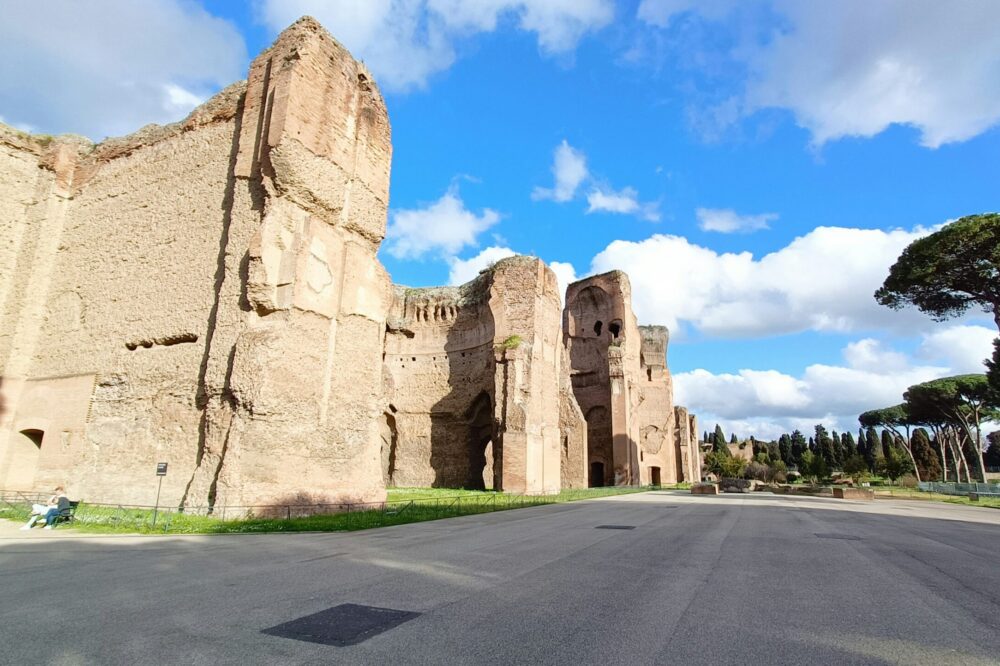
The Baths of Caracalla, known in Italian as Terme di Caracalla, were one of the largest and most luxurious public bath complexes in ancient Rome. Located just south of the city center, they covered an area of approximately 33 acres and could accommodate up to 1,600 bathers at a time. More than just baths, they included libraries, gyms, gardens, and art galleries, serving as a multifunctional leisure center for Roman citizens. Today, the ruins offer a glimpse into the opulence of Roman daily life and are a must-see for anyone interested in ancient history.
The History of the Baths of Caracalla
To fully appreciate how to visit the Baths of Caracalla and what is their history, it’s important to delve into their origins. Construction began under Emperor Septimius Severus in 206 AD and was completed by his son, Emperor Caracalla, in 216 AD, hence the name. The baths were part of a broader imperial project to gain public favor and demonstrate Rome’s power and wealth.
Construction and Design
The Baths of Caracalla were a marvel of Roman architecture and engineering. Built using concrete, brick, and marble, they featured advanced heating systems known as hypocausts, which circulated hot air under the floors to warm the rooms. The complex was symmetrically designed around a central axis, with separate sections for men and women. Key areas included the frigidarium (cold room), tepidarium (warm room), and caldarium (hot room), each decorated with intricate mosaics, statues, and frescoes. The scale and sophistication of the design highlight the Romans’ mastery of public works.
Cultural and Social Significance
In ancient Rome, public baths like the Baths of Caracalla were more than just hygienic facilities; they were social and cultural centers. People from all walks of life gathered here to bathe, exercise, discuss politics, and enjoy entertainment. The baths also housed libraries with Greek and Latin texts, making them hubs of learning. This social function underscores why understanding how to visit the Baths of Caracalla and what is their history is key to grasping Roman society’s communal aspects.
Decline and Rediscovery
The Baths of Caracalla remained in use for over 300 years, but like many Roman structures, they fell into decline after the fall of the Western Roman Empire. In the 6th century AD, the aqueducts supplying water were damaged during the Gothic Wars, leading to abandonment. Over the centuries, the site was looted for materials, with marble and statues repurposed for other buildings. Archaeological excavations began in the 16th century, and today, the ruins are preserved as a UNESCO World Heritage site, offering insights into their former glory.
How to Visit the Baths of Caracalla: Practical Information
Planning your visit to the Baths of Caracalla involves several practical considerations. Here’s a step-by-step guide to help you navigate your trip smoothly.
Location and Getting There
The Baths of Caracalla are located at Viale delle Terme di Caracalla, 00153 Rome, Italy. They are easily accessible from central Rome:
- By Metro: Take Line B to the Circo Massimo station, then walk about 10 minutes south.
- By Bus: Several bus lines, including 118 and 160, stop near the entrance.
- By Foot: If you’re staying near the Colosseum or Roman Forum, it’s a pleasant 20-minute walk through the historic center.
We recommend checking local maps or using a navigation app for real-time directions, as Rome’s streets can be busy.
Opening Hours and Tickets
To make the most of your visit, it’s crucial to know the operating hours and ticketing options. The Baths of Caracalla are generally open:
- Tuesday to Sunday: 9:00 AM to 6:30 PM (last entry at 5:30 PM).
- Closed on Mondays, January 1, and December 25.
- Hours may vary seasonally, so check the official website before your trip.
Ticket prices are affordable, with discounts available for EU citizens aged 18-25, children, and seniors. You can purchase tickets on-site or online to avoid queues. Consider combo tickets that include other nearby attractions like the Palatine Hill for a richer experience.
What to See During Your Visit
When you explore how to visit the Baths of Caracalla and what is their history, you’ll find several highlights within the complex:
- The Central Bathing Rooms: Wander through the ruins of the frigidarium, tepidarium, and caldarium to imagine the ancient bathing rituals.
- Mosaic Floors: Admire the well-preserved geometric and figurative mosaics that once adorned the floors.
- Underground Tunnels: Explore the hypocaust system and service areas that kept the baths running.
- Outdoor Gardens: Stroll through the reconstructed gardens to see where Romans relaxed and socialized.
- Informational Panels: Use the on-site signs and audio guides (available for rent) to learn about specific features and historical context.
Allow at least 2-3 hours for your visit to fully absorb the site’s scale and details.
Tips for an Enjoyable Visit
To enhance your experience at the Baths of Caracalla, keep these tips in mind:
- Visit Early or Late: Arrive right at opening or in the late afternoon to avoid crowds and enjoy cooler temperatures, especially in summer.
- Wear Comfortable Shoes: The site involves walking on uneven surfaces, so sturdy footwear is essential.
- Bring Water and Sun Protection: Rome can be hot, and shade is limited, so carry water, a hat, and sunscreen.
- Use an Audio Guide or App: These resources provide in-depth explanations, making the ruins come alive with stories.
- Combine with Nearby Attractions: The Baths are close to the Circus Maximus and the Aventine Hill, so plan a full day of sightseeing in the area.
By following these suggestions, you’ll better appreciate how to visit the Baths of Caracalla and what is their history in a comfortable and engaging way.
Why the Baths of Caracalla Matter Today
The Baths of Caracalla are not just ruins; they are a window into ancient Roman life and innovation. Their preservation allows us to study Roman architecture, engineering, and social customs. Additionally, the site hosts cultural events, such as summer opera performances, blending history with modern entertainment. Learning how to visit the Baths of Caracalla and what is their history connects us to a legacy that influenced Western civilization, from urban planning to public health.
Conclusion
In summary, knowing how to visit the Baths of Caracalla and what is their history enriches any trip to Rome. From their grand construction under Emperor Caracalla to their role as a social hub, these baths offer a fascinating glimpse into ancient Roman culture. By planning your visit with our practical tips on location, tickets, and highlights, you can explore this iconic site with ease and depth. Whether you’re marveling at the engineering feats or imagining the daily life of Romans, the Baths of Caracalla stand as a timeless reminder of Rome’s enduring legacy. Start planning your visit today to step back in time and experience one of history’s greatest wonders.