Table des matières:
How to Use the Barcelona Metro System as a Tourist: A Complete Guide
Visiting Barcelona is an exciting adventure, and navigating the city efficiently is key to making the most of your trip. The Barcelona Metro system is one of the best ways to get around, offering extensive coverage, reliability, and affordability. As a tourist, learning how to use the Barcelona Metro system can save you time, money, and stress, allowing you to explore iconic sites like Sagrada Familia, Park Güell, and La Rambla with ease. This guide provides a comprehensive overview, from purchasing tickets to understanding routes, ensuring you feel confident and prepared.
Understanding the Barcelona Metro Network
The Barcelona Metro consists of 12 lines, identified by numbers (L1 to L12) and colors, covering over 160 stations across the city and its suburbs. It operates from 5:00 AM to midnight on weekdays, with extended hours until 2:00 AM on Fridays and Saturdays. Key lines for tourists include L2 (purple), which connects to Sagrada Familia, and L3 (green), providing access to popular areas like Plaça de Catalunya and Poble Sec. Familiarizing yourself with the network map, available at stations and online, is the first step in learning how to use the Barcelona Metro system as a tourist.
Purchasing Tickets and Passes
To use the Barcelona Metro, you’ll need a valid ticket or pass. Options are designed to suit different travel needs, making it easy for tourists to choose what works best. Here are the main types:
- Single Ticket: Valid for one journey within 75 minutes, including transfers. Ideal for occasional use.
- T-Casual Card: A 10-journey card that can be shared among multiple people. Cost-effective for short stays.
- Hola BCN! Travel Card: Unlimited travel for 2 to 5 days on metro, buses, trams, and trains. Perfect for tourists exploring extensively.
- T-Familiar Card: 70 journeys usable by up to 10 people over 30 days. Great for families or groups.
Tickets can be purchased at metro station vending machines, which offer multiple languages, or at ticket offices. Remember to validate your ticket at the entrance gates to avoid fines.
Navigating Stations and Transfers
Barcelona Metro stations are well-signposted in Catalan, Spanish, and often English. Look for signs indicating line numbers, directions, and exits. Transfers between lines are free within the metro system, but pay attention to connection points, which can involve walking through corridors. For example, transferring from L1 to L3 at Plaça de Catalunya is straightforward, but some stations like Sagrada Familia may require more time due to crowds. As a tourist, using apps like Google Maps or the official TMB app can help plan routes and estimate travel times, enhancing your experience of how to use the Barcelona Metro system.
Tips for a Smooth Ride
To make your metro journeys enjoyable and hassle-free, consider these practical tips:
- Avoid rush hours (7:30-9:30 AM and 5:30-7:30 PM) to escape crowds.
- Keep your ticket handy for inspections, which occur randomly.
- Be mindful of pickpockets in busy areas; secure your belongings.
- Use escalators and lifts if available, as some stations have deep platforms.
- Check for service updates, especially on weekends when maintenance may cause delays.
Following these guidelines will help you navigate the system confidently and safely.
Accessibility and Special Features
The Barcelona Metro is increasingly accessible, with many stations equipped with elevators, ramps, and tactile paving for visually impaired travelers. However, not all stations are fully accessible, so plan ahead if you have mobility needs. Other features include free Wi-Fi at major stations and information desks for assistance. As a tourist, knowing these aspects can make your travel more comfortable, especially when learning how to use the Barcelona Metro system in a foreign city.
Connecting to Other Transport Modes
The metro integrates seamlessly with Barcelona’s broader transport network. You can transfer to buses, trams, and regional trains (Rodalies) using the same ticket or pass, depending on the type. For instance, the Hola BCN! Travel Card covers all these modes, making it a versatile choice. This connectivity is particularly useful for reaching attractions outside the city center, such as Montjuïc or the beaches, ensuring you maximize your sightseeing opportunities.
Common Tourist Routes and Destinations
To illustrate how to use the Barcelona Metro system as a tourist, here are some popular routes:
- From Plaça de Catalunya to Sagrada Familia: Take L2 (purple line) directly; journey time is about 10 minutes.
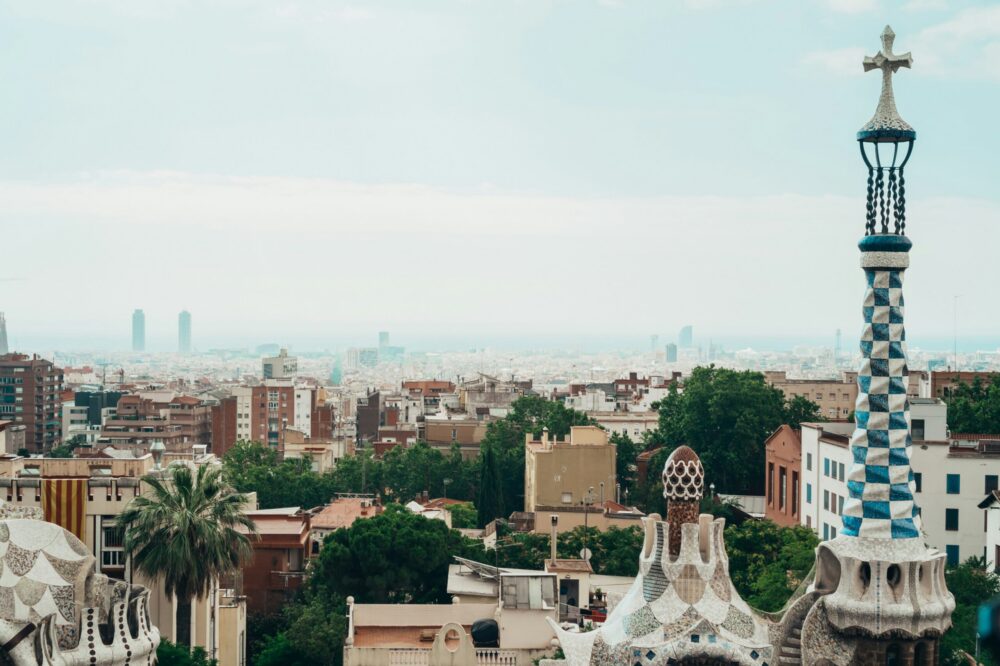
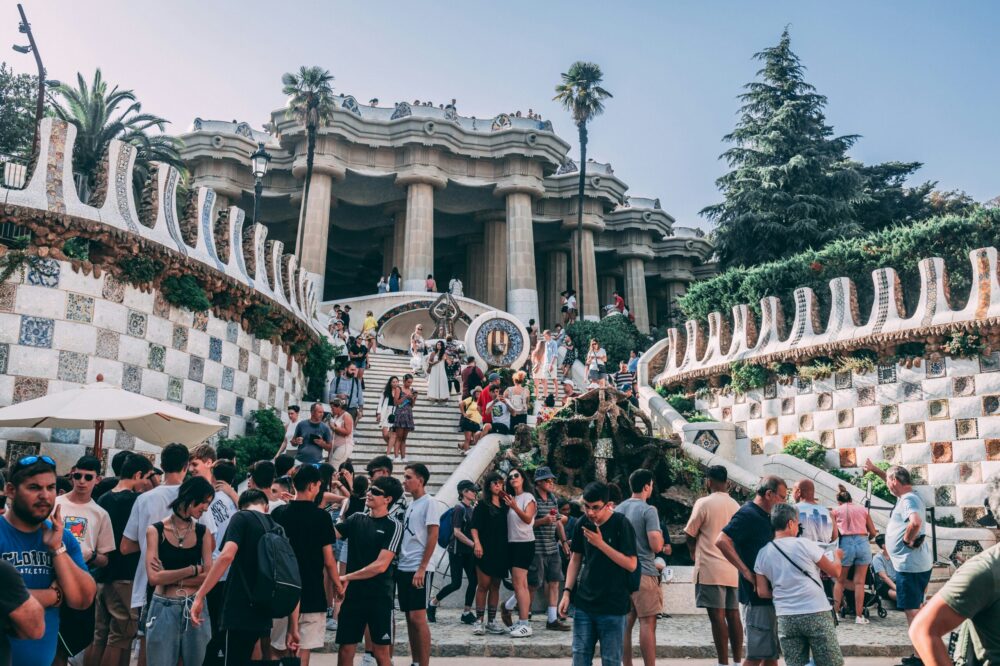
- To Park Güell: Use L3 (green line) to Vallcarca or Lesseps stations, then walk 15-20 minutes uphill.
- Exploring Gothic Quarter: Disembark at Liceu or Jaume I stations on L3 for easy access.
- Visiting Camp Nou: Take L5 (blue line) to Collblanc or Badal stations.
These examples show how the metro can efficiently link you to Barcelona’s top attractions.
Safety and Etiquette
While the Barcelona Metro is generally safe, it’s wise to stay alert. Keep valuables out of sight, especially in tourist-heavy stations. Etiquette includes allowing passengers to exit before boarding, offering seats to those in need, and avoiding loud conversations. By respecting local norms, you contribute to a pleasant environment for everyone, enhancing your understanding of how to use the Barcelona Metro system respectfully.
Cost-Saving Strategies
To optimize your budget, compare ticket options based on your itinerary. For example, if you plan multiple daily trips, the Hola BCN! Travel Card often offers better value than single tickets. Additionally, children under 4 travel free, and discounts may apply for seniors. Planning your routes to minimize unnecessary journeys can also reduce costs, making your travel more economical.
Conclusion
Mastering how to use the Barcelona Metro system as a tourist is a valuable skill that enhances your visit to this vibrant city. With its extensive network, affordable tickets, and user-friendly features, the metro provides a reliable way to explore Barcelona’s rich culture and landmarks. By following this guide—from purchasing the right pass to navigating stations and adhering to safety tips—you’ll travel with confidence and ease. Start planning your routes today to make the most of your Barcelona adventure, and enjoy the convenience and efficiency of one of Europe’s top metro systems.
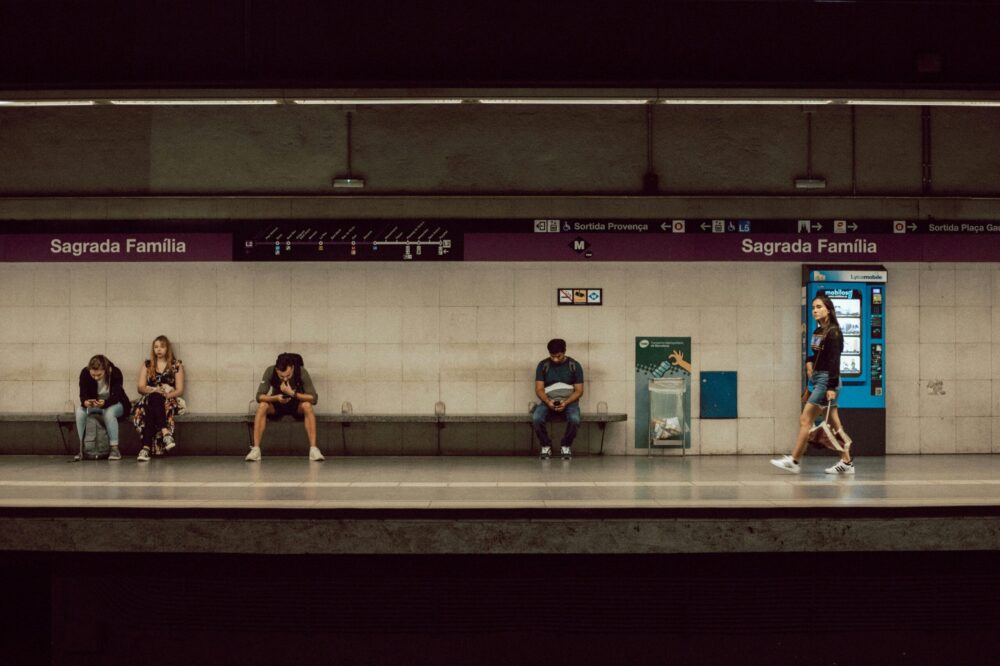
Photo by Sinitta Leunen on Unsplash