Table des matières:
Introduction to Barcelona’s Historical Treasures
Barcelona, a vibrant city on Spain’s northeastern coast, is renowned for its unique blend of ancient history and modern innovation. When exploring what are the top historical sites to visit in Barcelona, travelers discover a tapestry of cultures, from Roman ruins to medieval cathedrals and modernist marvels. This guide delves into the must-see historical landmarks that define Barcelona’s rich heritage, offering insights to help you plan an unforgettable cultural journey. Whether you’re a history enthusiast or a casual visitor, these sites provide a window into the city’s past and its enduring legacy.
Gothic Quarter: The Heart of Medieval Barcelona
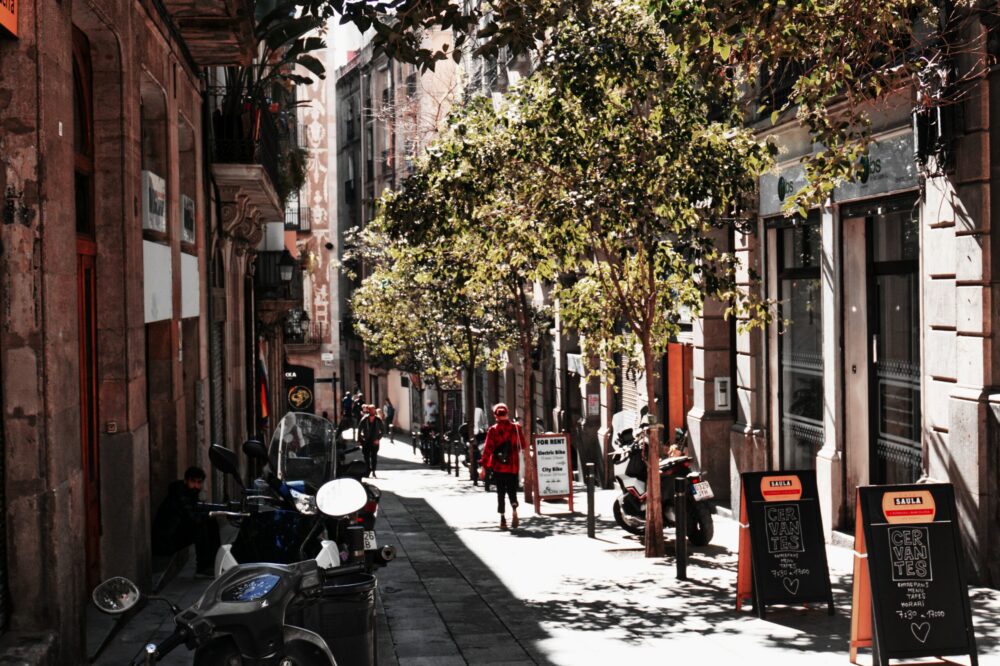
The Gothic Quarter, or Barri Gòtic, is the historic center of Barcelona, dating back to Roman times. Wandering through its narrow, winding streets, you’ll encounter some of the city’s oldest and most significant historical sites. This area is a cornerstone when considering what are the top historical sites to visit in Barcelona, as it encapsulates centuries of architectural and cultural evolution.
Barcelona Cathedral
Barcelona Cathedral, officially known as the Cathedral of the Holy Cross and Saint Eulalia, is a stunning example of Gothic architecture. Construction began in the 13th century, with the façade completed in the 19th century. Key features include:
- The intricate cloister with 13 white geese, symbolizing Saint Eulalia’s martyrdom.
- The choir stalls adorned with coats of arms from the Knights of the Golden Fleece.
- The rooftop offering panoramic views of the Gothic Quarter.
Visiting the cathedral provides a deep dive into Barcelona’s religious history and artistic achievements.
Roman Walls and Temple of Augustus
Remnants of Barcelona’s Roman past are scattered throughout the Gothic Quarter. The Roman walls, built in the 4th century AD, once fortified the ancient city of Barcino. Nearby, the Temple of Augustus, with its four Corinthian columns, stands as a testament to Roman engineering. These sites highlight Barcelona’s origins and its importance in the Roman Empire, making them essential stops for history buffs.
Modernist Masterpieces: Gaudí and Beyond
Barcelona’s modernist movement, led by architects like Antoni Gaudí, left an indelible mark on the city’s landscape. These sites are not only architectural wonders but also key historical landmarks that reflect Barcelona’s cultural renaissance in the late 19th and early 20th centuries.
Sagrada Família
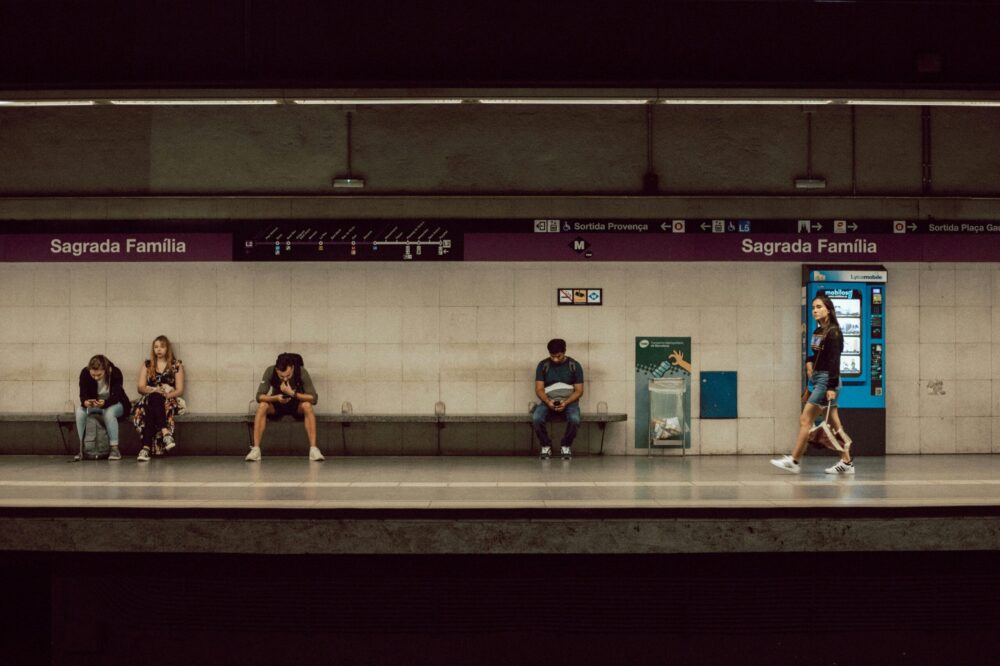
The Sagrada Família is perhaps Barcelona’s most iconic historical site, a basilica designed by Antoni Gaudí that has been under construction since 1882. Its unique blend of Gothic and Art Nouveau styles, along with its symbolic facades, makes it a UNESCO World Heritage Site. Highlights include:
- The Nativity Façade, depicting the birth of Jesus with intricate sculptures.
- The Passion Façade, showcasing Christ’s crucifixion in a more austere style.
- The interior, with tree-like columns and stained-glass windows that create a mesmerizing light show.
When exploring what are the top historical sites to visit in Barcelona, the Sagrada Família offers a glimpse into Gaudí’s visionary genius and the city’s ongoing artistic legacy.
Park Güell
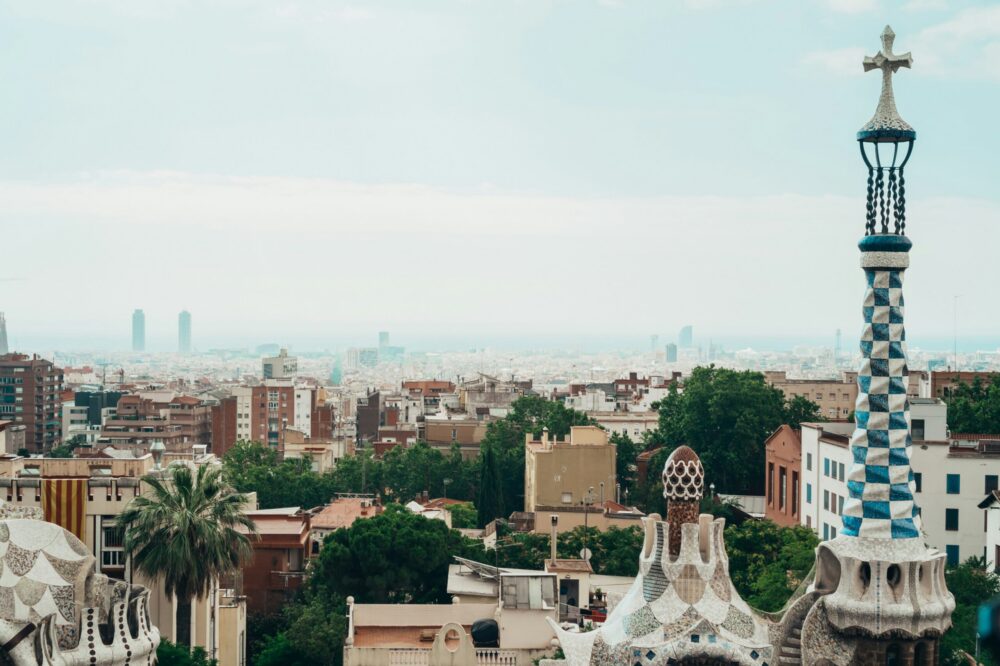
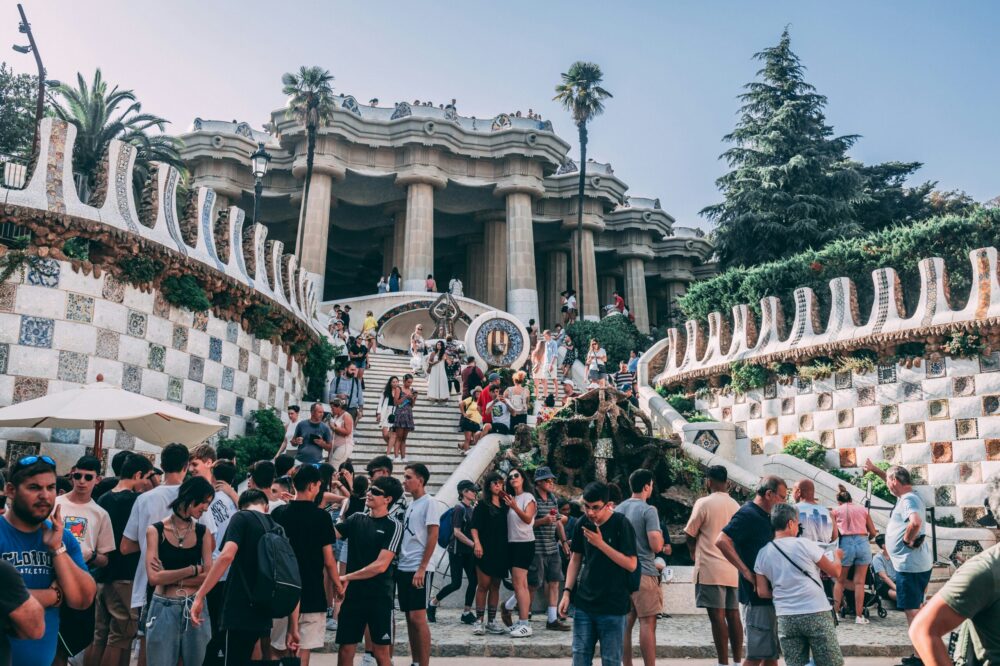
Park Güell, another Gaudí creation, is a public park that blends natural elements with whimsical architecture. Originally intended as a housing development, it now serves as a historical site showcasing Gaudí’s innovative use of color, form, and materials. Don’t miss the Dragon Stairway, the Hypostyle Room, and the serpentine bench adorned with vibrant trencadís mosaics. This park exemplifies Barcelona’s commitment to integrating art into everyday life.
Medieval and Renaissance Landmarks
Beyond the Gothic Quarter, Barcelona boasts several historical sites from the medieval and Renaissance periods that offer insights into the city’s political and social history.
Santa Maria del Mar
Santa Maria del Mar, a basilica in the Ribera district, is a prime example of Catalan Gothic architecture. Built between 1329 and 1383, it was funded by merchants and sailors, reflecting Barcelona’s maritime prowess. Its spacious interior, with slender columns and large stained-glass windows, creates an atmosphere of serenity and light. This site is crucial for understanding Barcelona’s medieval trade networks and community spirit.
Palau de la Música Catalana
The Palau de la Música Catalana, a concert hall designed by Lluís Domènech i Montaner, is a modernist gem completed in 1908. As a UNESCO World Heritage Site, it represents Barcelona’s cultural revival during the Renaixença period. Key features include the stunning stained-glass skylight, ornate sculptures, and intricate mosaics. Attending a performance here connects visitors to Barcelona’s artistic heritage, making it a top historical site to experience live music in a historic setting.
Ancient and Archaeological Sites
For those interested in Barcelona’s earliest history, several archaeological sites provide a window into ancient civilizations that shaped the city.
MUHBA: Museu d’Història de Barcelona
The MUHBA, or Barcelona History Museum, offers an underground journey through the city’s past, from Roman times to the present. Located in the Gothic Quarter, its archaeological site includes:
- Roman streets, houses, and workshops from Barcino.
- Visigothic and medieval remains.
- Interactive exhibits that bring history to life.
This museum is essential for a comprehensive understanding of what are the top historical sites to visit in Barcelona, as it contextualizes the city’s evolution over millennia.
Montjuïc Castle
Perched on Montjuïc hill, Montjuïc Castle has a complex history dating back to the 17th century. Originally a military fortress, it has served various roles, including a prison during the Spanish Civil War. Today, it houses a military museum and offers breathtaking views of Barcelona’s harbor. Visiting this site sheds light on the city’s strategic importance and turbulent past, making it a poignant historical landmark.
Planning Your Visit to Barcelona’s Historical Sites
To make the most of your trip, consider these tips when exploring what are the top historical sites to visit in Barcelona:
- Purchase tickets in advance for popular sites like the Sagrada Família and Park Güell to avoid long queues.
- Use the Barcelona Card for discounted entry to many historical sites and free public transportation.
- Allocate at least two days to cover the Gothic Quarter and modernist landmarks thoroughly.
- Join guided tours for in-depth historical insights, especially at complex sites like MUHBA.
- Wear comfortable shoes, as many historical areas are best explored on foot.
By planning ahead, you can immerse yourself in Barcelona’s history without feeling rushed.
Conclusion: Embracing Barcelona’s Historical Legacy
In conclusion, Barcelona’s historical sites offer a rich tapestry of experiences, from ancient Roman ruins to modernist masterpieces. When asking what are the top historical sites to visit in Barcelona, this guide highlights destinations like the Gothic Quarter, Sagrada Família, and MUHBA that capture the city’s diverse heritage. Each site tells a unique story, contributing to Barcelona’s identity as a cultural hub. Whether you’re marveling at Gaudí’s creations or walking through medieval streets, these landmarks provide a profound connection to the past. Plan your visit today to discover why Barcelona remains one of Europe’s most historically captivating cities, and let its history inspire your journey.
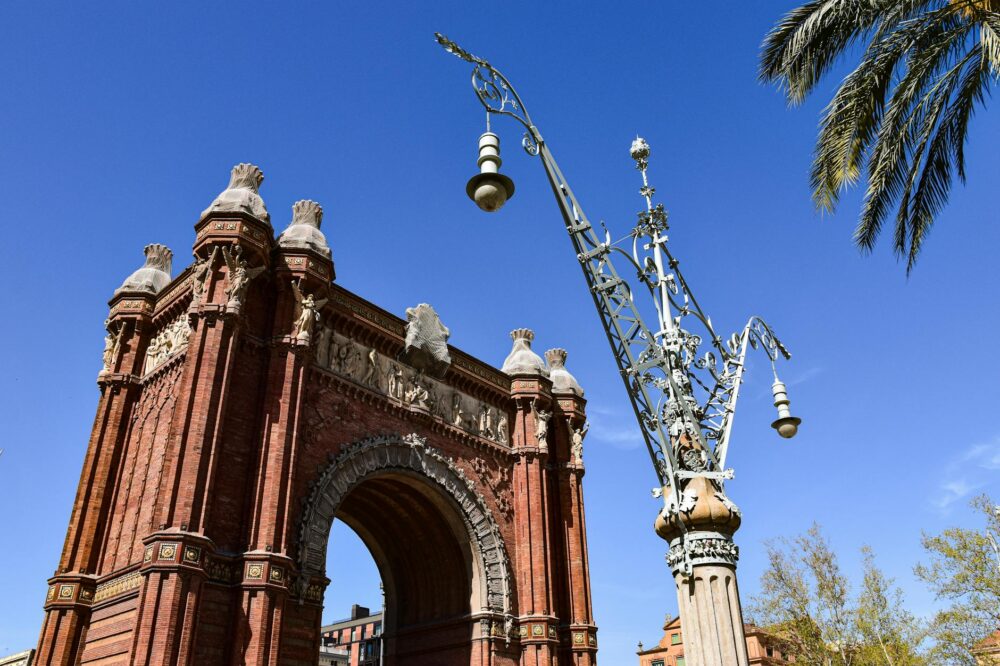
Photo by AXP Photography on Pexels