Table des matières:
How Does the Barcelona Public Transportation System Work for Tourists? A Complete Guide
Barcelona is a vibrant city known for its stunning architecture, rich culture, and bustling streets. For tourists, navigating this metropolis can be daunting, but the Barcelona public transportation system offers an efficient and affordable way to explore. Understanding how it works can save you time, money, and stress, allowing you to focus on enjoying attractions like Sagrada Familia, Park Güell, and the Gothic Quarter. In this guide, we’ll break down everything you need to know about using Barcelona’s public transport as a visitor, from ticket options to practical tips.
Overview of the Barcelona Public Transportation System
The Barcelona public transportation system is managed by the Autoritat del Transport Metropolità (ATM) and includes various modes of transport that interconnect seamlessly. It’s designed to cover the city and its metropolitan area, making it easy for tourists to reach popular destinations. The system is known for its reliability, frequency, and user-friendly features, such as multilingual signage and apps.
Key components include the metro, buses, trams, and regional trains. Each mode serves different purposes: the metro is ideal for quick trips across the city, buses offer extensive coverage, trams connect suburban areas, and trains link to nearby towns. For tourists, the integrated network means you can use a single ticket for multiple rides, simplifying your travel experience.
Main Modes of Transport for Tourists
When exploring how the Barcelona public transportation system works for tourists, it’s essential to understand the primary options available. Here’s a breakdown:
- Metro: With 12 lines and over 180 stations, the metro is the backbone of Barcelona’s transport. It operates from 5:00 AM to midnight on weekdays, with extended hours on weekends. Stations are well-marked and often located near tourist spots.
- Buses: Barcelona’s bus network covers areas not served by the metro, including narrow streets and hills. Buses run frequently, and night buses (Nitbus) operate after midnight, ensuring 24/7 mobility.
- Trams: The tram system, known as Trambaix and Trambesòs, connects the city center with suburban districts. It’s a scenic option for reaching areas like Sant Martí or Esplugues de Llobregat.
- Regional Trains (Rodalies): Operated by Renfe, these trains are perfect for day trips to places like Sitges or Montserrat. They integrate with the metro system, allowing easy transfers.
- FGC Trains: The Ferrocarrils de la Generalitat de Catalunya (FGC) network serves the metropolitan area and is useful for visiting attractions like Tibidabo.
Ticket Options and Fares for Tourists
One of the most critical aspects of how the Barcelona public transportation system works for tourists is choosing the right ticket. The system offers various passes tailored to different needs, from short stays to extended visits. Prices are reasonable, and discounts are available for certain groups.
All tickets are valid across metro, buses, trams, and regional trains within specified zones. You can purchase them at metro stations, bus terminals, or online. Remember to validate your ticket at the start of each journey to avoid fines.
Popular Ticket Types
To make the most of your trip, consider these ticket options:
- Single Ticket (Bitllet Senzill): Costs around €2.40 and is valid for one journey within 75 minutes, including transfers. It’s suitable for occasional rides but can be expensive for frequent use.
- T-Casual Card: Formerly known as the T-10, this card offers 10 journeys for approximately €11.35. It’s shareable and valid across all transport modes, making it a cost-effective choice for tourists.
- Hola BCN! Travel Card: Designed for tourists, this unlimited travel pass is available for 2 to 5 days (prices range from €15 to €34). It covers all public transport and is ideal for intensive sightseeing.
- Barcelona Card: Combines unlimited transport with free or discounted entry to museums and attractions. Prices vary by duration, starting at €45 for 3 days.
- Airport Tickets: Special tickets, like the Aerobús or metro line L9 Sud, connect the airport to the city center. Costs are around €5-€10, depending on the option.
How to Navigate the System Efficiently
Navigating the Barcelona public transportation system as a tourist requires some planning, but it’s straightforward with the right tools. The system is well-organized, with clear maps and signs in Catalan, Spanish, and English. Stations and vehicles are generally clean and safe, but it’s wise to stay alert in crowded areas.
Start by downloading official apps like TMB App or Google Maps for real-time schedules and route planning. These tools help you find the fastest connections and avoid delays. Additionally, familiarize yourself with the metro map, which color-codes lines for easy reference.
Practical Tips for Tourists
To enhance your experience, keep these tips in mind:
- Plan Your Routes in Advance: Use apps to check schedules and identify the best transport modes for your destinations. For example, the metro is faster for long distances, while buses are better for short hops.
- Validate Your Ticket: Always tap your card or insert your ticket at validators before boarding. Failure to do so can result in fines up to €100.
- Avoid Peak Hours: Rush hours (7:00-9:00 AM and 5:00-8:00 PM) can be crowded. Travel during off-peak times for a more comfortable ride.
- Use Contactless Payment: Many stations now accept contactless credit cards or mobile payments, reducing the need for physical tickets.
- Stay Informed About Strikes: Occasional strikes may affect services. Check local news or transport websites for updates during your visit.
Accessibility and Special Features
The Barcelona public transportation system is designed to be accessible for all tourists, including those with disabilities or special needs. Most metro stations have elevators, ramps, and tactile paving, while buses are equipped with low floors and priority seating. Announcements are made in multiple languages, and staff are generally helpful if you need assistance.
For families, strollers are allowed on all transport, though it’s easier to use them during non-peak hours. Tourists with luggage should note that larger bags might be restricted during busy times, so consider using luggage storage services at major stations.
Safety and Etiquette
Safety is a priority in Barcelona’s transport system. Stations and vehicles are monitored, but tourists should take precautions against pickpocketing, especially in tourist-heavy areas like Las Ramblas. Keep valuables secure and be mindful of your surroundings.
Regarding etiquette, follow local customs: offer seats to elderly or pregnant passengers, avoid loud conversations, and do not eat or drink on metro trains. These practices ensure a pleasant journey for everyone.
Conclusion: Making the Most of Barcelona’s Transport
In summary, the Barcelona public transportation system works efficiently for tourists, offering a reliable and affordable way to explore the city. By understanding the available modes, ticket options, and navigation tips, you can streamline your travels and focus on enjoying Barcelona’s rich offerings. Whether you’re visiting for a few days or longer, leveraging this system enhances your experience, from iconic landmarks to hidden gems. Remember to plan ahead, choose the right ticket, and stay informed—this will help you navigate like a local and make your trip unforgettable.
As you explore, keep asking: how does the Barcelona public transportation system work for tourists? With this guide, you’re equipped to answer that question confidently and enjoy a seamless journey through one of Europe’s most captivating cities.
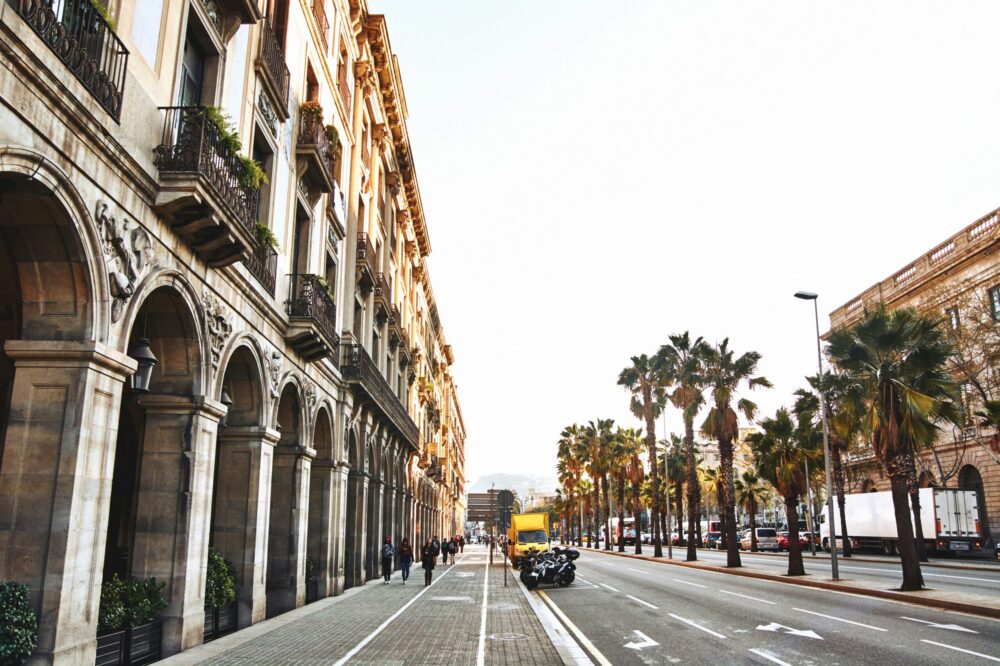
Photo by Dennis van den Worm on Unsplash