Table des matières:
Introduction: Discovering Rome’s Ancient Art Treasures
Rome, the Eternal City, is a living museum of ancient history, where every corner reveals stories from millennia past. Among its most captivating artistic legacies are the ancient Roman mosaics and frescoes that have survived through the ages. These intricate artworks offer a vivid glimpse into the daily life, mythology, and aesthetics of Roman civilization. If you’re wondering where to see the best ancient Roman mosaics and frescoes in Rome, this guide will lead you to the most remarkable sites, from world-renowned museums to lesser-known archaeological gems. Whether you’re a history enthusiast, an art lover, or a curious traveler, exploring these masterpieces provides an unforgettable connection to Rome’s glorious past.
Top Museums for Ancient Roman Mosaics and Frescoes
Rome’s museums house some of the finest collections of ancient Roman art, carefully preserved and displayed for public appreciation. These institutions offer a comprehensive view of mosaic and fresco techniques, themes, and historical contexts.
National Roman Museum: A Treasure Trove of Roman Art
The National Roman Museum, with its multiple branches across the city, is essential for anyone seeking to understand ancient Roman mosaics and frescoes. The Palazzo Massimo alle Terme branch, in particular, features an exceptional collection of wall paintings and floor mosaics from Roman villas and public buildings. Highlights include the frescoes from the Villa of Livia, depicting lush garden scenes that blur the line between art and nature, and intricate geometric mosaics that showcase the precision of Roman craftsmanship. This museum provides detailed explanations and immersive displays that bring these ancient artworks to life.
Capitoline Museums: Art and History in the Heart of Rome
Located on Capitoline Hill, the Capitoline Museums offer not only panoramic views of Rome but also a rich assortment of ancient Roman mosaics and frescoes. The collection includes pieces from various periods of Roman history, illustrating the evolution of artistic styles. Notable exhibits feature mythological scenes and daily life depictions, with mosaics made from tiny tesserae (tiles) that create stunning visual effects. The museums’ setting in historic palaces adds to the experience, making it a must-visit for those exploring where to see the best ancient Roman mosaics and frescoes in Rome.
Archaeological Sites with Stunning Mosaics and Frescoes
Beyond museums, Rome’s archaeological sites allow visitors to see ancient Roman mosaics and frescoes in their original contexts. These locations offer a more authentic glimpse into how these artworks were integrated into Roman architecture and daily life.
Domus Aurea: Nero’s Golden House and Its Artistic Splendor
The Domus Aurea, or Golden House, was Emperor Nero’s extravagant palace, and its remains are a testament to the opulence of ancient Rome. Although much of the structure is in ruins, the surviving frescoes and mosaics are breathtaking. Guided tours take visitors through rooms adorned with vibrant wall paintings depicting mythological figures and intricate ceiling mosaics. The site’s underground location has helped preserve these artworks, making it a unique destination for experiencing ancient Roman art in situ. It’s a key spot for anyone researching where to see the best ancient Roman mosaics and frescoes in Rome.
Baths of Caracalla: Public Spaces Adorned with Art
The Baths of Caracalla, one of Rome’s largest and best-preserved ancient bath complexes, feature impressive mosaics that once decorated the floors of its grand halls. While many original pieces have been moved to museums, on-site displays and remnants give a sense of the scale and beauty of these artworks. The mosaics often depict marine themes, reflecting the baths’ connection to water, and geometric patterns that demonstrate Roman engineering and artistic skill. Visiting this site highlights how mosaics and frescoes were used in public spaces to enhance both aesthetics and functionality.
Lesser-Known Gems for Ancient Roman Art Lovers
While major sites attract crowds, Rome has hidden treasures where you can enjoy ancient Roman mosaics and frescoes in a more intimate setting. These lesser-known locations offer unique insights without the hustle of tourist hotspots.
Basilica of San Clemente: Layers of History and Art
The Basilica of San Clemente is a fascinating site that showcases multiple layers of Roman history, including early Christian and medieval elements. Beneath the current church, excavations have revealed an ancient Roman house with well-preserved frescoes and mosaics. These artworks date back to the 1st century AD and feature pagan and Christian motifs, illustrating the cultural transitions of the time. The intimate atmosphere allows for close examination of the details, making it a rewarding stop for those curious about where to see the best ancient Roman mosaics and frescoes in Rome off the beaten path.
Palazzo Valentini: Underground Roman Houses
Palazzo Valentini, a Renaissance palace near Piazza Venezia, houses an underground archaeological site with the remains of ancient Roman domus (houses). Through multimedia exhibits and guided tours, visitors can explore rooms with original mosaics and frescoes, enhanced by lighting and sound effects that recreate the ancient ambiance. This site offers a modern, interactive approach to viewing ancient art, making it accessible and engaging for all ages. It’s an excellent example of how Rome continues to unveil new discoveries related to ancient Roman mosaics and frescoes.
Tips for Visiting Sites with Ancient Roman Mosaics and Frescoes
To make the most of your exploration of ancient Roman mosaics and frescoes in Rome, consider these practical tips. They will help ensure a smooth and enriching experience as you discover these artistic wonders.
- Plan Ahead: Many sites, such as the Domus Aurea and Palazzo Valentini, require advance booking for guided tours. Check official websites for opening hours and ticket availability to avoid disappointment.
- Use Audio Guides or Tours: Opt for audio guides or guided tours at museums and archaeological sites. They provide valuable context about the history, techniques, and significance of the mosaics and frescoes, enhancing your understanding.
- Respect Preservation Efforts: Follow site rules, such as not touching the artworks or using flash photography. These measures help protect ancient Roman mosaics and frescoes for future generations.
- Combine Visits: Group nearby sites together to save time. For example, the National Roman Museum branches are close to Termini Station, while the Capitoline Museums are near the Roman Forum.
- Visit During Off-Peak Hours: To avoid crowds, try visiting early in the morning or late in the afternoon. This allows for a more peaceful viewing experience of the ancient Roman mosaics and frescoes.
Conclusion: Embracing Rome’s Ancient Artistic Legacy
Exploring where to see the best ancient Roman mosaics and frescoes in Rome is a journey into the heart of one of history’s greatest civilizations. From the grand halls of museums to the intimate spaces of archaeological sites, these artworks tell stories of myth, daily life, and artistic innovation that continue to inspire today. By visiting the recommended locations and following practical tips, you can fully appreciate the beauty and historical significance of these masterpieces. Whether you’re marveling at the vibrant frescoes of the Domus Aurea or the intricate mosaics of the Baths of Caracalla, each site offers a unique window into ancient Rome. As you plan your trip, remember that discovering these treasures is not just about seeing art—it’s about connecting with a legacy that has shaped Western culture for centuries. We hope this guide helps you uncover the splendor of ancient Roman mosaics and frescoes in Rome, making your visit an unforgettable experience.
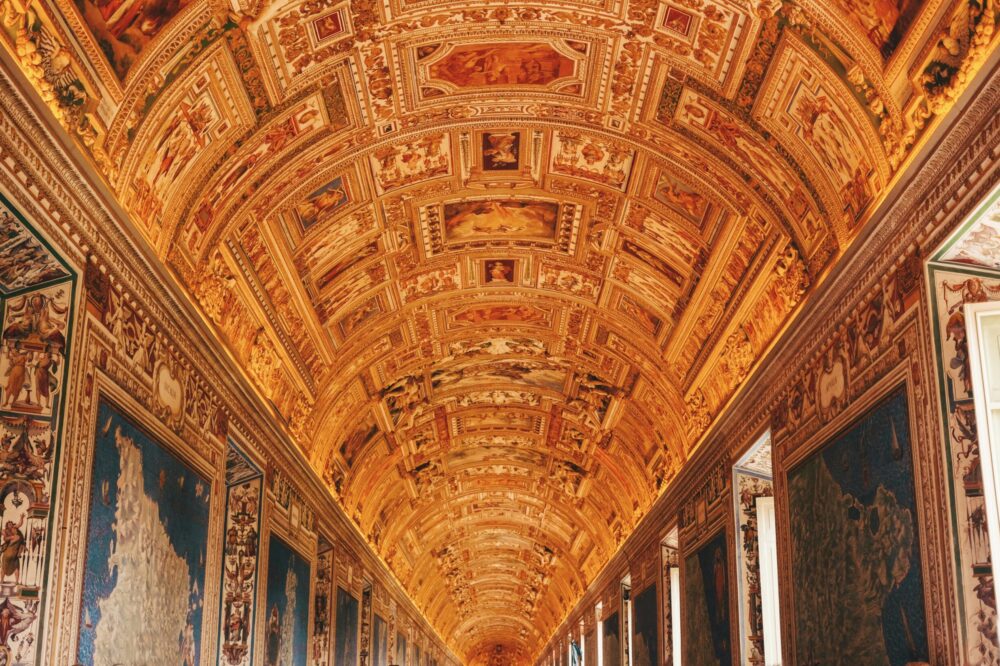
Photo by Cristina Gottardi on Unsplash