When visiting Rome, dining out is more than just a meal—it’s an immersive cultural experience. Understanding the local customs can transform your restaurant visit from a simple dinner into a memorable part of your Italian journey. This guide provides essential etiquette tips for dining in Rome restaurants, helping you navigate the nuances of Italian hospitality with confidence and respect.
Table des matières:
Understanding Italian Dining Culture in Rome
Italian dining, especially in a historic city like Rome, is deeply rooted in tradition and social connection. Meals are often leisurely affairs, meant for savoring food and company. Unlike fast-paced dining in some cultures, Roman restaurants encourage guests to relax and enjoy the experience. Knowing these etiquette tips for dining in Rome restaurants ensures you align with local expectations, enhancing your enjoyment and showing respect for the culture.
The Importance of Reservations and Timing
In Rome, planning ahead is key to a smooth dining experience. Many popular restaurants require reservations, especially for dinner. Italians typically dine later than in some countries, with lunch around 1-3 PM and dinner starting at 8 PM or later. Arriving on time is appreciated, as it helps restaurants manage their seating efficiently. If you’re running late, a quick call to inform the restaurant is considered polite. These small gestures are part of the broader etiquette tips for dining in Rome restaurants that demonstrate consideration for the establishment’s operations.
Navigating the Menu and Ordering Process
Roman menus often feature traditional dishes like pasta carbonara, cacio e pepe, and saltimbocca alla romana. When ordering, it’s helpful to understand the typical meal structure: antipasti (starters), primi (first courses like pasta or risotto), secondi (main courses like meat or fish), contorni (side dishes), and dolci (desserts). You don’t need to order every course—many locals mix and match based on appetite. Asking for recommendations from the server can be a great way to explore local specialties. Remember, these etiquette tips for dining in Rome restaurants include being patient and engaging with the menu thoughtfully, rather than rushing through orders.
Key Points to Remember When Ordering
- Italians rarely order cappuccino after a meal; it’s considered a breakfast drink. Opt for an espresso instead.
- Requesting substitutions or modifications to traditional dishes might be frowned upon, as chefs take pride in their recipes.
- If unsure about portion sizes, servers can often advise on sharing or individual servings.
Table Manners and Social Etiquette
Table manners in Rome reflect a blend of formality and warmth. Upon arrival, wait to be seated unless the restaurant has a casual, self-seating policy. It’s customary to greet the staff with a polite “buongiorno” (good day) or “buonasera” (good evening). During the meal, keep your hands visible on the table, but avoid resting elbows on it. When eating pasta, twirl it with a fork against a spoon or the plate, rather than cutting it. These etiquette tips for dining in Rome restaurants help you blend in and show respect for local dining traditions.
Dos and Don’ts at the Table
- Do use bread to soak up sauces (called “scarpetta”), but do it discreetly with a fork.
- Don’t ask for parmesan cheese to sprinkle on seafood pasta, as it’s not traditional in Roman cuisine.
- Do engage in conversation and enjoy the meal slowly—rushing is seen as disrespectful to the food and company.
Handling the Bill and Tipping Customs
In Rome, the bill (“il conto”) is typically brought only when requested, as meals are meant to be unhurried. It’s common to ask for it by saying “Il conto, per favore.” Tipping is not mandatory, as a service charge (“coperto”) is often included in the bill. However, leaving a small tip (5-10%) for excellent service is appreciated. Paying in cash is preferred in many smaller establishments, though credit cards are widely accepted. These etiquette tips for dining in Rome restaurants ensure a smooth conclusion to your meal, reflecting gratitude without overcomplicating the process.
What to Know About Payment
- Check the bill for the coperto charge to avoid double-tipping.
- If paying by card, it’s polite to inform the server beforehand, as some places may have minimum spend requirements.
- Splitting the bill is common, but it’s easier to do with cash or by informing the server in advance.
Dress Code and Restaurant Atmosphere
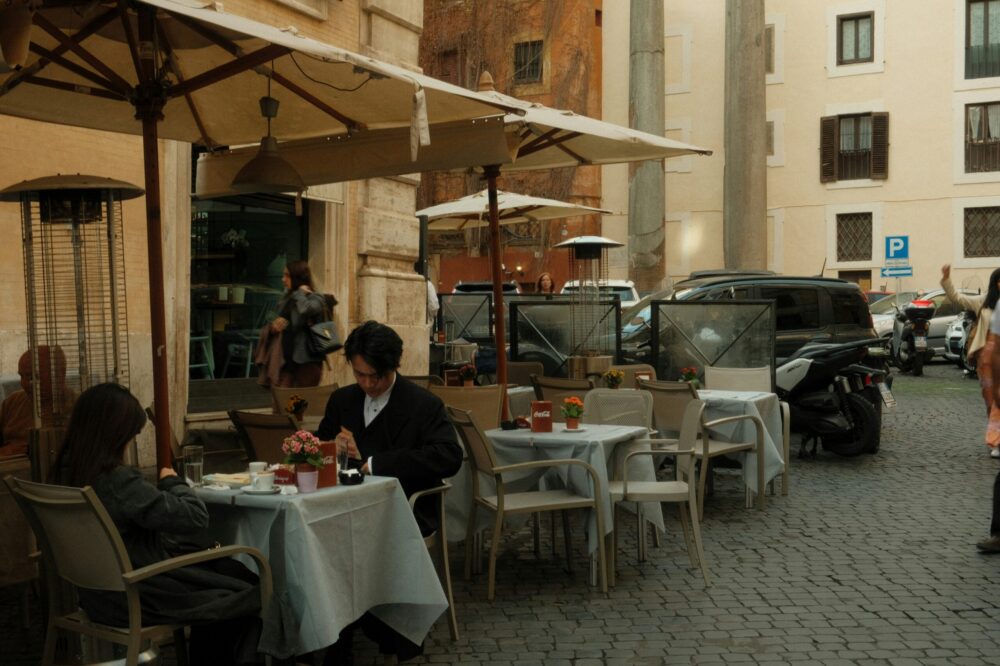
Roman restaurants vary from casual trattorias to upscale ristorantes, and dressing appropriately shows respect for the setting. In general, smart-casual attire is safe—avoid beachwear or overly casual clothes like shorts and flip-flops in nicer restaurants. Even in more relaxed spots, looking put-together is valued. Observing the atmosphere can guide your behavior; for example, quieter places may call for lower voices. These etiquette tips for dining in Rome restaurants help you match the vibe of the establishment, ensuring a harmonious experience for all diners.
Adapting to Different Types of Restaurants
- Trattorias and osterias are often family-run and casual, perfect for trying hearty Roman classics.
- Ristorantes may be more formal, with finer dining expectations and higher prices.
- Pizzerias are great for a quick, informal meal, but still follow basic manners like not eating with your hands in upscale versions.
Conclusion: Embracing Roman Dining with Confidence
Mastering these etiquette tips for dining in Rome restaurants allows you to fully embrace the city’s rich culinary heritage. From making reservations to understanding tipping customs, each aspect contributes to a respectful and enjoyable meal. Remember, the goal is not perfection but showing appreciation for Italian culture. By following these guidelines, you’ll navigate Roman restaurants with ease, creating lasting memories over delicious food. Whether you’re savoring a plate of pasta in a cozy trattoria or enjoying a multi-course dinner, these insights ensure your dining experiences in Rome are both authentic and respectful.
Photo by Sara Abilova on Unsplash