Table des matières:
How to Plan a Trip to the Champagne Region in 2026: Your Ultimate Guide
Planning a trip to the Champagne region in 2026 offers a unique opportunity to explore one of France’s most prestigious wine-producing areas. With its rolling vineyards, historic cellars, and charming towns, the region promises an unforgettable experience for wine enthusiasts and travelers alike. This guide provides a comprehensive roadmap to help you organize every aspect of your journey, from booking accommodations to scheduling vineyard tours. Whether you’re a first-time visitor or a returning connoisseur, careful planning ensures you make the most of your time in this iconic destination.
Why Visit the Champagne Region in 2026?
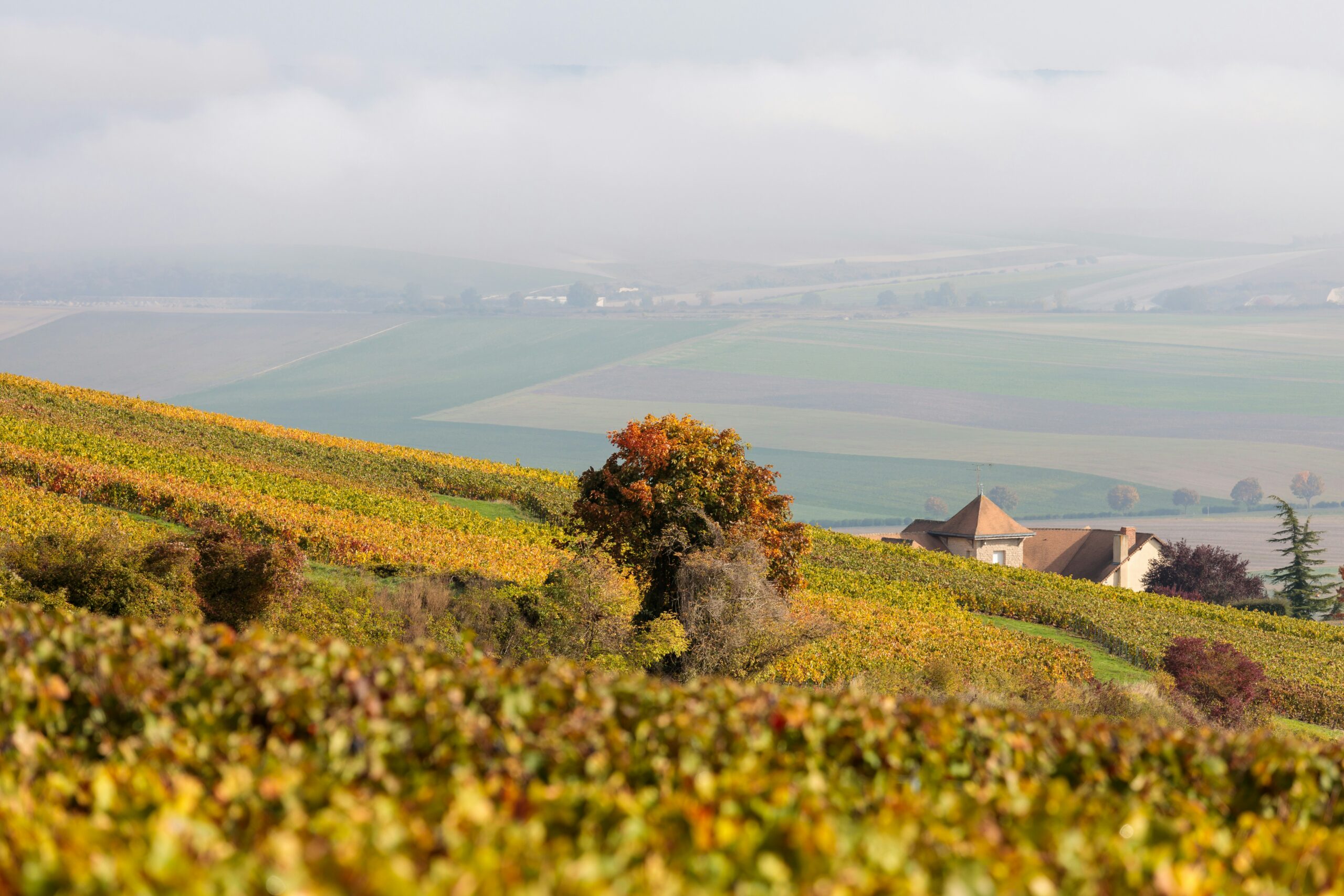
The Champagne region, located in northeastern France, is renowned for its sparkling wine production. Visiting in 2026 allows you to experience its timeless appeal while taking advantage of modern travel conveniences. The region’s climate, with cool temperatures and chalky soils, creates ideal conditions for growing the grapes used in Champagne production. Beyond wine, you’ll discover rich history, stunning architecture, and gourmet cuisine. Planning ahead for 2026 ensures you secure bookings at popular vineyards and avoid peak-season crowds, making your trip more enjoyable and relaxed.
Key Benefits of Early Planning
Starting your preparations now for a 2026 visit offers several advantages. You’ll have access to a wider selection of accommodations, from boutique hotels to vineyard stays. Early booking often results in better rates and availability for guided tours and tastings. Additionally, you can research seasonal events, such as harvest festivals or special cellar openings, that might coincide with your travel dates. By outlining your itinerary in advance, you create a balanced schedule that includes both must-see attractions and leisurely exploration.
Essential Steps to Plan Your Champagne Region Trip
To plan a trip to the Champagne region in 2026 effectively, follow these structured steps. This approach helps you cover all critical aspects, from logistics to experiences, ensuring a seamless and memorable vacation.
1. Determine Your Travel Dates and Duration
Decide when and how long you’ll visit. The Champagne region is beautiful year-round, but each season offers distinct experiences. Spring and summer provide pleasant weather for outdoor activities, while autumn showcases the grape harvest. Winter visits can be quieter, with opportunities to explore cellars without crowds. Aim for a stay of at least three to four days to fully appreciate the region’s highlights. Consider weekdays for vineyard visits, as weekends may be busier with local tourists.
2. Set a Realistic Budget
Establish a budget that covers all anticipated expenses. Key cost factors include:
- Accommodations: Options range from luxury hotels to budget-friendly guesthouses.
- Transportation: Consider rental cars, trains, or guided tours for getting around.
- Vineyard Tours and Tastings: Prices vary by producer and experience level.
- Dining: Factor in meals at local restaurants and cafes.
- Additional Activities: Include visits to museums, historical sites, or shopping.
Allocating funds in advance helps you prioritize experiences and avoid overspending.
3. Research and Book Accommodations
Choose accommodations that suit your preferences and itinerary. The Champagne region offers diverse options:
- Reims: A central city with easy access to major Champagne houses.
- Épernay: Known as the capital of Champagne, home to famous avenues de Champagne.
- Smaller Villages: For a more rustic experience, consider stays in towns like Ay or Hautvillers.
Book early for 2026, especially if traveling during peak seasons like summer or autumn. Look for properties with convenient access to vineyards and local attractions.
Top Experiences in the Champagne Region
Your trip to the Champagne region should include a mix of wine-focused activities and cultural explorations. Here are essential experiences to incorporate into your 2026 itinerary.
Vineyard Tours and Tastings
Visiting Champagne houses is a highlight of any trip. Options range from large, well-known producers to small, family-run vineyards. Popular houses in Reims and Épernay often require advance reservations for tours. Consider booking a mix of experiences:
- Guided Cellar Tours: Learn about the Champagne-making process and history.
- Tasting Sessions: Sample different Champagne styles, from brut to rosé.
- Meet-the-Winemaker Events: Gain insights from local producers (check for 2026 availability).
Remember to pace yourself and consider spit buckets if tasting multiple varieties.
Explore Historical and Cultural Sites
The Champagne region boasts rich heritage beyond its vineyards. Key attractions include:
- Reims Cathedral: A UNESCO World Heritage site with stunning Gothic architecture.
- Château de Sillery: A historic castle offering tours and gardens.
- Museums: Such as the Musée des Beaux-Arts in Reims or the Champagne Museum in Épernay.
These sites provide context to the region’s history and enhance your overall experience.
Enjoy Local Cuisine
Pair your Champagne with regional specialties. The area’s culinary scene features dishes like:
- Biscuits Roses de Reims: Pink biscuits traditionally dipped in Champagne.
- Andouillette: A sausage made from tripe, often served with mustard sauce.
- Local Cheeses: Such as Chaource or Langres, perfect with sparkling wine.
Plan meals at recommended restaurants or book a food-and-wine pairing experience for 2026.
Practical Tips for Your 2026 Trip
To ensure a smooth journey, keep these practical considerations in mind as you plan your trip to the Champagne region in 2026.
Transportation and Getting Around
Navigating the Champagne region requires some planning. Major cities like Reims and Épernay are accessible by train from Paris, but exploring vineyards often necessitates a car. Renting a vehicle provides flexibility, but designate a driver if tasting Champagne. Alternatively, join guided tours that include transportation. For 2026, research local transit options or consider hiring a private driver for convenience.
Language and Etiquette
While many locals speak English, learning basic French phrases enhances your experience. Common courtesies like “bonjour” (hello) and “merci” (thank you) are appreciated. When visiting vineyards, respect tasting room etiquette—avoid wearing strong perfumes that can interfere with aromas, and follow the guide’s instructions. Booking tours in advance shows consideration for the producers’ schedules.
Packing and Weather Preparation
Pack according to the season. The Champagne region experiences mild summers and cold winters. Essentials include:
- Comfortable Footwear: For walking on vineyard terrain and cellar floors.
- Layered Clothing: To adapt to changing temperatures.
- A Notebook: To record tasting notes and memories.
Check weather forecasts closer to your 2026 travel dates for specific recommendations.
Conclusion: Start Planning Your Champagne Adventure
Planning a trip to the Champagne region in 2026 is an exciting endeavor that promises rich rewards. By following this guide, you can create a well-organized itinerary that balances wine exploration with cultural immersion. Begin by setting your travel dates and budget, then research accommodations and experiences that align with your interests. Remember to book key activities early to secure your spot, especially for popular vineyards and events. With careful preparation, your visit to the Champagne region will be a memorable celebration of history, flavor, and craftsmanship. Start your plans today to ensure a seamless and enchanting journey in 2026.
Photo by Salah Ait Mokhtar on Unsplash