
Table des matières:
Why Lyon Deserves a Spot on Your Cultural Travel List
When travelers think of French culture, Paris often steals the spotlight. However, for those seeking a deep, authentic cultural experience without the overwhelming crowds, Lyon stands out as an exceptional alternative. The question ‘Is Lyon a good destination for a cultural trip?’ can be answered with a resounding yes. This city, a UNESCO World Heritage site in its own right, offers a rich tapestry of history, art, architecture, and gastronomy that rivals any European capital.
Lyon is not just a city to visit—it’s a city to experience. From the ancient Roman amphitheaters to the Renaissance courtyards of Vieux Lyon, every corner tells a story. The city’s unique position at the confluence of the Rhône and Saône rivers has shaped its identity as a hub of trade, culture, and cuisine. If you’re planning a cultural trip, Lyon should be high on your list.
What Makes Lyon a Cultural Powerhouse?
Lyon’s cultural credentials are impressive. The city boasts two UNESCO World Heritage sites: the historic center (including Vieux Lyon, the Presqu’île, and the slopes of Fourvière) and the outstanding Universal Value of its urban fabric. But beyond official designations, Lyon offers a vibrant cultural scene that includes world-class museums, theaters, and festivals.
UNESCO-Listed Old Town: Vieux Lyon
Vieux Lyon is one of Europe’s largest Renaissance quarters, with cobbled streets, hidden traboules (passageways), and colorful buildings. Walking through this district feels like stepping back in time. The traboules themselves are a unique feature—covered passageways that connect buildings and courtyards, originally used by silk merchants. Today, they offer a fascinating glimpse into Lyon’s history and are a must-see for any cultural traveler.
Fourvière: The Hill That Prays
Fourvière Hill is the birthplace of Lyon, where the Romans founded the city of Lugdunum. The hill is crowned by the stunning Basilica of Notre-Dame de Fourvière, a 19th-century masterpiece that offers panoramic views. Below the basilica, the ancient Roman theaters of Fourvière host summer festivals, including the famous Nuits de Fourvière, combining history with contemporary performances.
Presqu’île: The Heart of the City
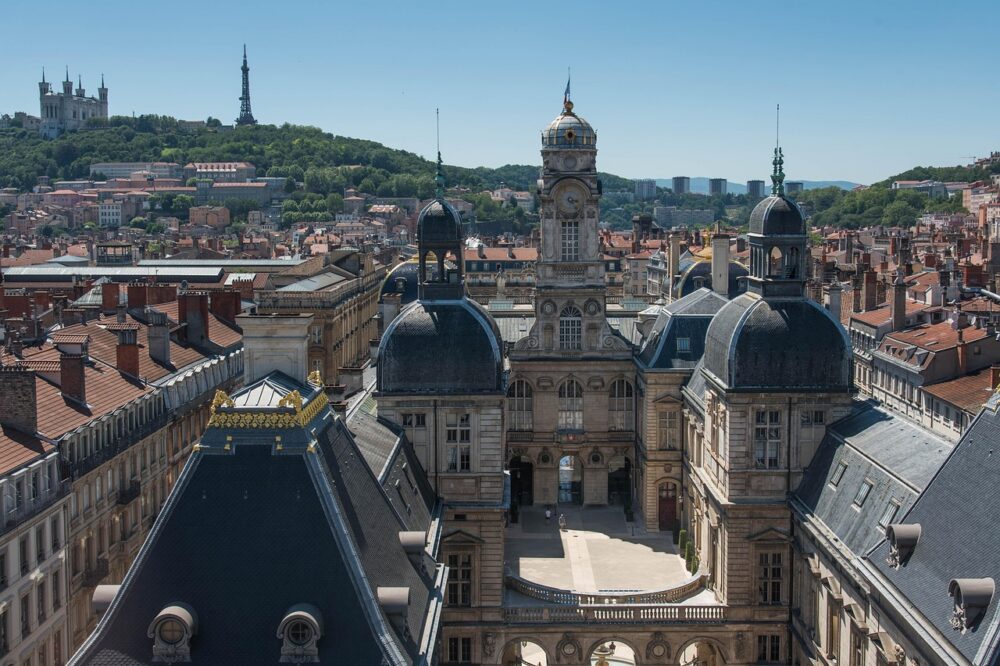
The Presqu’île, the peninsula between the two rivers, is Lyon’s bustling center. Here you’ll find the elegant Place Bellecour, one of Europe’s largest pedestrian squares, and the intricate architecture of the Hôtel de Ville. The district is also home to the Musée des Beaux-Arts, one of France’s finest art museums, with works from Monet, Rembrandt, and Rodin.
Museums and Galleries for Art Lovers
Lyon’s museum scene is diverse and rich. Beyond the Musée des Beaux-Arts, the city offers specialized museums that cater to various interests.
Musée des Confluences
This striking modern museum at the confluence of the Rhône and Saône explores the intersections of science, anthropology, and history. Its architecture alone is worth the visit, but the permanent collections on human origins, societies, and the natural world are equally compelling.
Musée Lumière
Lyon is the birthplace of cinema, thanks to the Lumière brothers. The Musée Lumière, located in their former family home, celebrates the early days of film with interactive exhibits and screenings. It’s a delightful stop for anyone interested in the history of motion pictures.
Musée de l’Imprimerie
Housed in a beautiful Renaissance building, this museum traces the history of printing and graphic communication. It’s a niche but fascinating collection that includes rare books, printing presses, and exhibits on typography.
Gastronomy: A Cultural Experience in Itself
Lyon is often called the gastronomic capital of France, and its food culture is deeply intertwined with its identity. For a cultural trip, indulging in Lyon’s culinary traditions is essential. The city’s famous bouchons—traditional Lyonnais restaurants—serve hearty dishes like quenelles, andouillette, and tablier de sapeur. Dining at a bouchon is not just a meal; it’s an immersion into local customs and conviviality.
Don’t miss the Halles de Lyon Paul Bocuse, a covered market named after the legendary chef. Here you can sample regional specialties, from cheeses and charcuterie to fresh seafood and pastries. The market is a feast for the senses and a perfect place to understand the importance of food in Lyonnais culture.
Festivals and Events: When to Go for Maximum Culture
Lyon hosts several major cultural events throughout the year. Timing your visit to coincide with one can enhance your experience.
- Fête des Lumières (December 8): A spectacular light festival where the city is illuminated by artistic installations. It’s a magical event that draws millions of visitors.
- Nuits de Fourvière (June-July): Summer performances in the Roman theaters, including concerts, theater, and dance.
- Biennale de la Danse (even-numbered years): A contemporary dance festival that takes over the city with performances and parades.
- Biennale d’Art Contemporain (odd-numbered years): A major contemporary art exhibition held at various venues.
Practical Checklist for Your Cultural Trip to Lyon
To make the most of your cultural visit, here’s a practical checklist:



- Get the Lyon City Card: Offers free entry to museums, public transport, and discounts on tours.
- Book in advance: Popular attractions like the Basilica of Fourvière and Musée des Confluences can have long queues.
- Wear comfortable shoes: Lyon is best explored on foot, especially the hilly areas of Fourvière and Croix-Rousse.
- Learn a few French phrases: While many locals speak English, efforts to speak French are appreciated.
- Explore beyond the center: Districts like Croix-Rousse (the hill that works) offer a bohemian vibe and stunning views.
Comparing Lyon to Other Cultural Destinations
| Aspect | Lyon | Paris | Rome |
|---|---|---|---|
| Cost | Moderate | High | Moderate |
| Crowds | Manageable | Very crowded | Crowded |
| UNESCO sites | 1 (large area) | Several | Several |
| Gastronomy | Exceptional | Excellent | Good |
| Museums | Excellent | World-class | World-class |
| Roman history | Impressive theaters | Limited | Extensive |
Lyon offers a more relaxed pace and lower costs compared to Paris and Rome, while still providing rich cultural experiences. Its compact size makes it easy to explore without feeling overwhelmed.
Hidden Gems for the Curious Traveler
Beyond the main attractions, Lyon has lesser-known cultural spots that reward exploration.
Traboules of Croix-Rousse
While the traboules of Vieux Lyon are famous, the Croix-Rousse district has its own network of passageways, offering a quieter but equally fascinating experience. These traboules were used by silk workers, and many still have original features.
Musée des Tissus
Lyon was the silk capital of Europe, and this museum houses an extraordinary collection of textiles from around the world. It’s a niche museum that highlights the city’s industrial heritage.
Jardin des Curiosités
A small, whimsical garden on the slopes of Fourvière, offering a peaceful retreat and unique perspectives of the city. It’s a perfect spot for contemplation after a day of sightseeing.
Common Mistakes to Avoid on a Cultural Trip to Lyon
- Overplanning: Leave room for spontaneous discoveries—Lyon’s charm often lies in its unexpected corners.
- Ignoring the hills: Both Fourvière and Croix-Rousse offer incredible views and historical insights; don’t skip them.
- Not trying local food: A cultural trip is incomplete without experiencing bouchons and local specialties.
- Sticking only to the center: Venture into neighborhoods like Vaise or Guillotière for a more diverse experience.
Your Next Steps: Planning a Cultural Itinerary
To answer ‘Is Lyon a good destination for a cultural trip?’ with confidence, start planning your itinerary. Aim for at least three to four days to cover the highlights. Day one could focus on Vieux Lyon and Fourvière, day two on museums and the Presqu’île, and day three on Croix-Rousse and gastronomy. Use the Lyon City Card for convenience and consider a guided tour of the traboules for deeper insights.
Lyon’s cultural richness will surprise you. Whether you’re an art enthusiast, history buff, or food lover, this city delivers a memorable cultural experience that stands on its own. So pack your curiosity and prepare to be captivated by Lyon’s unique blend of past and present.
Frequently Asked Questions
Is Lyon expensive for a cultural trip?
Compared to Paris, Lyon is more affordable. Accommodation, dining, and museum entry fees are generally lower, making it a great value for a cultural trip.
How many days do I need in Lyon?
A minimum of three days is recommended to see the main cultural sites. Four to five days allow for a more relaxed pace and exploration of hidden gems.
Can I visit Lyon on a budget?
Yes. Many museums offer free entry on certain days, and the Lyon City Card provides discounts. Eating at bouchons can be reasonable, and walking is the best way to explore.
What is the best time of year for a cultural trip to Lyon?
Spring (April-June) and fall (September-October) offer pleasant weather and fewer crowds. December’s Fête des Lumières is spectacular but very busy.
Is Lyon safe for tourists?
Lyon is generally safe, but like any city, be aware of pickpockets in crowded areas. Stick to well-lit streets at night and keep valuables secure.
Does Lyon have good public transport for cultural sites?
Yes, Lyon has an efficient metro, bus, and tram network. The funicular to Fourvière is a must-try. Public transport connects all major attractions.
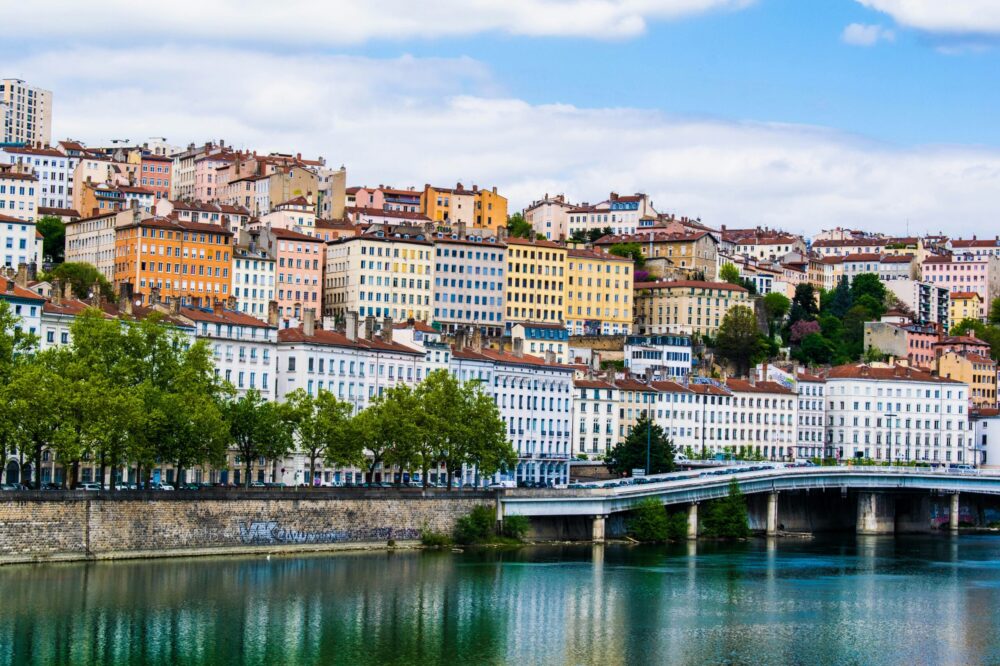
Photo by Surprising_Media on Pixabay
What are the traboules exactly? Are they open to the public?
Traboules are covered passageways connecting buildings, originally used by silk merchants. Many are open to the public, especially in Vieux Lyon and the Croix-Rousse district. You can explore them on your own or join a guided tour to learn their history.
Are there any cultural festivals in Lyon that I should time my visit for?
Yes! The Nuits de Fourvière in summer feature performances at the Roman theaters. The Fête des Lumières in December is spectacular, with light installations across the city. Both offer unique cultural experiences.
How easy is it to get around Lyon as a tourist? Are the cultural sites walkable?
Very walkable! The main cultural areas—Vieux Lyon, Presqu’île, and Fourvière—are close together. The metro and funicular also connect them easily. Walking the traboules is a unique way to explore.
I’m not a huge fan of modern art. Are there museums focused on history or science?
Absolutely. The Musée des Confluences covers science and anthropology in a stunning modern building. For history, the Gallo-Roman Museum near the Roman theaters is excellent. Also, the Musée de l’Imprimerie explores printing history.
Thanks for this guide! I was wondering if the Basilica of Fourvière is free to enter?
Yes, the basilica is free to enter. There is a small fee for the rooftop terrace, which offers panoramic views. It’s well worth it for the perspective over the city.
Is Lyon good for a weekend cultural trip, or do you need more time?
A weekend gives you a good taste: you can explore Vieux Lyon, Fourvière, and the Presqu’île. However, for a deeper dive including museums like the Musée des Confluences and the Roman theaters, 3-4 days is ideal.
I’m planning a cultural trip to France and keep hearing about Lyon. How does it compare to Paris for someone interested in history and art?
Lyon offers a more compact and less crowded experience than Paris, with a rich history from Roman times to the Renaissance. Its museums like the Musée des Beaux-Arts are world-class, and the UNESCO-listed old town is a highlight. If you want depth without the hustle, Lyon is an excellent choice.
I’m a foodie too. Does the article mention any cultural food experiences?
While the article focuses on cultural sites, Lyon is the gastronomic capital of France. You can combine culture with food by visiting the Halles de Lyon Paul Bocuse for local specialties, or taking a food tour through the traboules.