France, a nation steeped in millennia of history, offers travelers unparalleled opportunities to connect with the past. From ancient Roman ruins to medieval castles, Renaissance châteaux, and modern memorials, every corner tells a story. As 2026 approaches, several significant anniversaries and events will make it an exceptional year to explore France’s rich heritage. Whether you’re a history enthusiast, a casual traveler, or planning a family trip, knowing the best ways to experience French history in 2026 can transform your visit into a deeply meaningful journey. This guide provides practical, immersive strategies to engage with France’s past, highlighting key destinations, events, and tips for a memorable historical adventure.
Table des matières:
Why 2026 Is a Special Year for French History
2026 marks several notable anniversaries that will be commemorated across France, offering unique insights into the nation’s narrative. These events provide context and depth, making it an ideal time to explore what are the best ways to experience French history in 2026. Major observances include the 850th anniversary of the construction of Notre-Dame de Paris, a symbol of Gothic architecture and French resilience, especially after the 2019 fire. Additionally, 2026 will see the 150th anniversary of the Impressionist movement, with exhibitions and events celebrating artists like Monet and Renoir. Other milestones may include remembrances related to World War I and II, depending on local programming. By aligning your visit with these anniversaries, you can participate in special tours, exhibitions, and cultural activities that bring history to life.
Top Destinations to Experience French History in 2026
France boasts countless historical sites, but some stand out for their significance and accessibility. Focusing on these can help you maximize your experience of French history in 2026.
Paris: The Heart of French Heritage
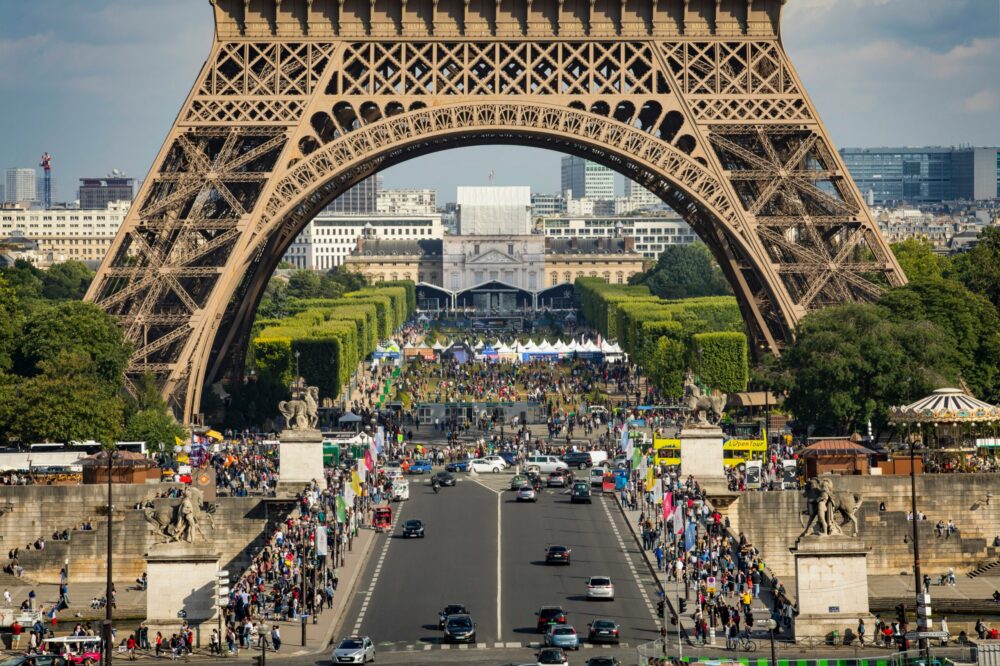
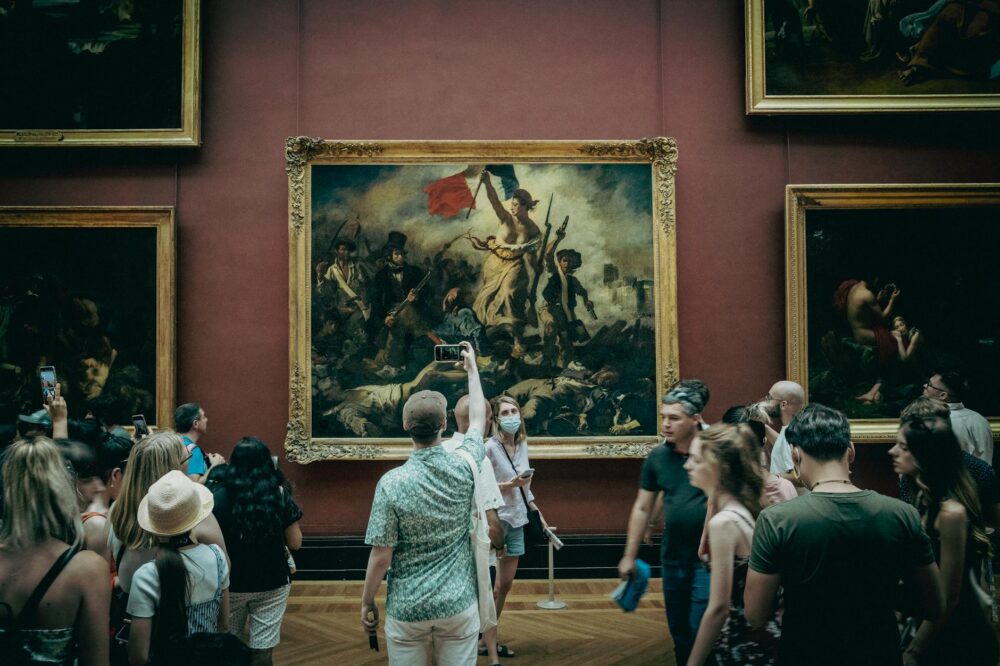
Paris is a treasure trove of historical landmarks. In 2026, prioritize visits to Notre-Dame Cathedral, which may have reopened or offer special tours related to its restoration and 850-year history. The Louvre Museum, home to artifacts from ancient civilizations to the Renaissance, provides a comprehensive overview. Don’t miss the Musée d’Orsay for Impressionist masterpieces tied to the 150th anniversary. For modern history, explore the Memorial de la Shoah or the Army Museum at Les Invalides.
Normandy: From Medieval to Modern
Normandy offers a diverse historical experience. Visit the Mont-Saint-Michel, a medieval abbey and UNESCO site, to step back into the Middle Ages. In 2026, the region will also highlight its World War II heritage, particularly the D-Day landing beaches and memorials. The Bayeux Tapestry, depicting the Norman Conquest, is another must-see for understanding early French history.
Loire Valley: Renaissance Splendor
The Loire Valley, known for its châteaux, is perfect for experiencing French Renaissance history. Châteaux de Chambord, Chenonceau, and Amboise offer guided tours that reveal architectural innovations and royal lifestyles. In 2026, look for special events celebrating the region’s cultural legacy.
Provence: Roman and Medieval Roots
In southern France, Provence showcases ancient Roman history. The Pont du Gard aqueduct, Arles’ Roman theater, and the Glanum ruins near Saint-Rémy-de-Provence are immersive sites. Medieval towns like Avignon, with its Papal Palace, add layers to the historical narrative.
Immersive Ways to Engage with French History
Beyond visiting sites, engaging actively with history can deepen your understanding. Here are the best ways to experience French history in 2026 through immersive activities.
Participate in Guided Tours and Workshops
Guided tours led by historians or local experts provide context that self-guided visits might miss. In 2026, look for:
- Anniversary-themed tours at major sites like Notre-Dame.
- Hands-on workshops, such as medieval craft demonstrations or Impressionist painting classes.
- Audio guides with augmented reality features at museums.
Attend Historical Reenactments and Festivals
France hosts numerous reenactments and festivals that bring history to life. In 2026, these may include:
- Medieval fairs in towns like Carcassonne.
- World War II commemorations in Normandy.
- Renaissance festivals in the Loire Valley.
Check local event calendars when planning your trip.
Explore Lesser-Known Sites and Local Museums
While iconic destinations are essential, smaller sites offer intimate experiences. Consider visiting:
- Local history museums in rural areas.
- Archaeological sites off the beaten path.
- Heritage trails that connect multiple historical points.
This approach helps you discover hidden gems and support local communities.
Practical Tips for Planning Your 2026 Historical Trip
To make the most of your journey, careful planning is key. Here are practical tips for experiencing French history in 2026.
Book in Advance for Major Events
Given the anniversaries in 2026, popular sites and events may attract large crowds. Book tickets and accommodations early, especially for:
- Notre-Dame Cathedral tours.
- Special exhibitions at major museums.
- Festivals and reenactments.
This ensures access and better prices.
Use Technology to Enhance Your Experience
Leverage apps and online resources for a richer visit. Recommended tools include:
- Historical apps with interactive maps and timelines.
- Virtual tours for sites that may be crowded or remote.
- Translation apps to understand French-language materials.
Consider Themed Itineraries
Focusing on a specific historical theme can streamline your trip. Examples include:
- A Medieval trail covering castles and abbeys.
- An Impressionist journey through museums and artists’ homes.
- A World War II tour of memorials and battlefields.
This approach provides coherence and depth.
Conclusion: Making History Come Alive in 2026
Experiencing French history in 2026 offers a unique chance to connect with the past through anniversaries, immersive sites, and engaging activities. By visiting key destinations like Paris, Normandy, and the Loire Valley, participating in guided tours and festivals, and planning ahead, you can uncover the layers of France’s storied heritage. Remember, the best ways to experience French history in 2026 involve a blend of popular landmarks and hidden treasures, all while embracing the cultural context of the year’s commemorations. Whether you’re tracing Roman roads, marveling at Gothic cathedrals, or reflecting on modern conflicts, your journey will leave you with a deeper appreciation for France’s enduring legacy. Start planning now to ensure a memorable and enlightening historical adventure.
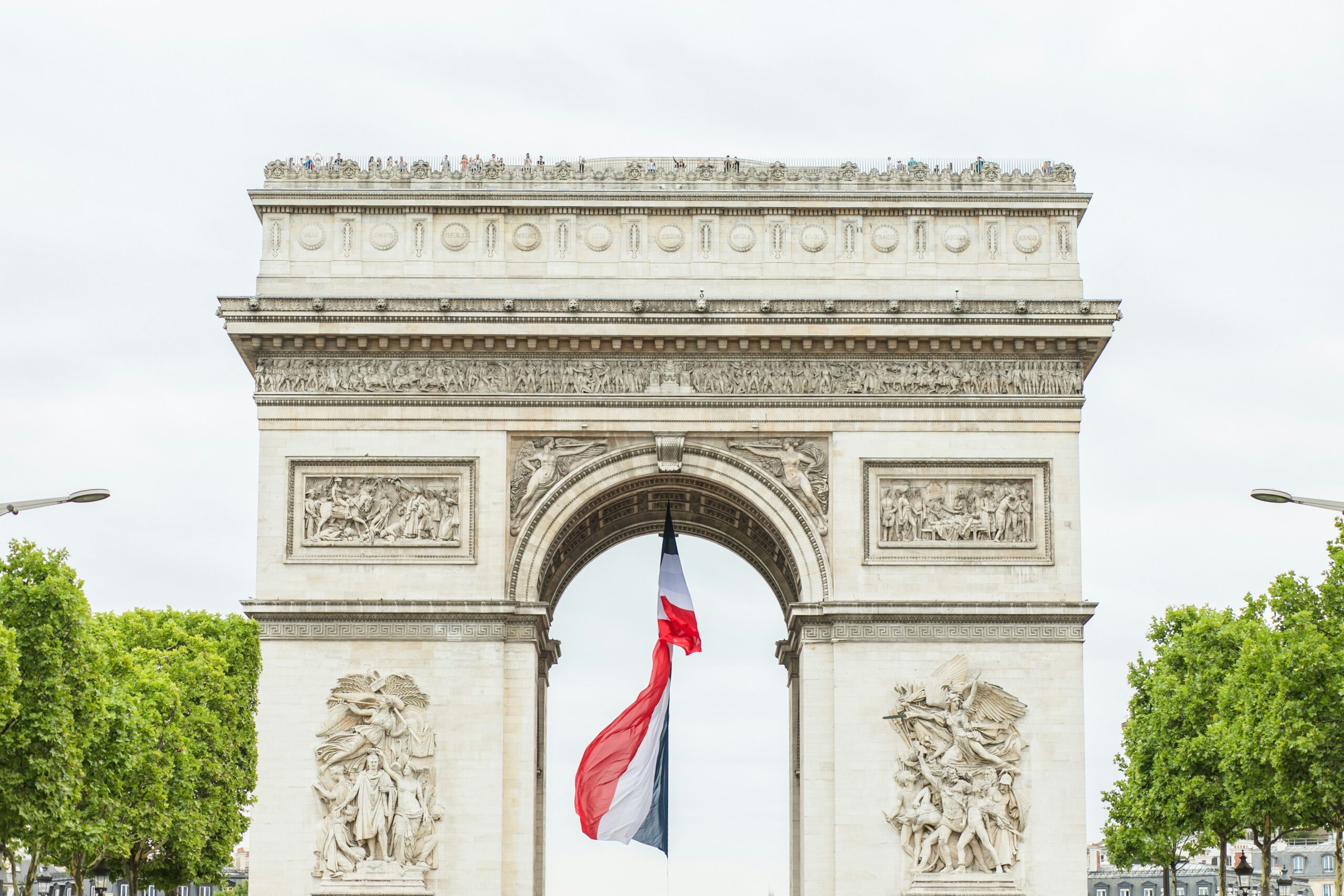
Photo by Lisa Kitano on Unsplash