

Istanbul, a city straddling Europe and Asia, has become a top destination for international students seeking quality higher education. With its rich history, vibrant culture, and an increasing number of English-taught programs, it’s no surprise that many ask: how to apply for a master’s degree in Istanbul? This guide provides a clear roadmap, covering everything from choosing a university to submitting your application.
Table des matières:
Why Choose Istanbul for Your Master’s Degree?
Istanbul offers a unique blend of academic excellence and cultural immersion. Universities like Boğaziçi University, Koç University, Sabancı University, and Istanbul Technical University are globally recognized. Programs are often taught in English, and tuition fees are generally lower than in Europe or North America. Additionally, the city’s strategic location provides networking opportunities across continents.
Understanding the Application Process
The application process for master’s programs in Istanbul varies by university, but most follow a similar pattern. Here’s what you need to know:
1. Research and Select Your Program
Start by identifying programs that match your academic background and career goals. Use university websites, rankings, and student forums. Pay attention to language of instruction, curriculum, and faculty expertise. Make a shortlist of 3-5 programs.
2. Check Admission Requirements
General requirements often include:
- A bachelor’s degree from an accredited institution
- Official transcripts
- Letters of recommendation (usually 2-3)
- Statement of purpose or motivation letter
- CV or resume
- English proficiency test scores (TOEFL, IELTS, or PTE)
- Some programs may require GRE or GMAT scores
- Valid passport
3. Prepare Your Documents
Gather all documents well in advance. Ensure transcripts are translated into English or Turkish if needed. Get your recommendation letters from professors or employers. Write a compelling statement of purpose that explains why you want to study in Istanbul and how the program fits your goals.
4. Understand Deadlines
Most Turkish universities have two application periods: Fall (September intake) and Spring (February intake). Deadlines typically fall between January and June for Fall, and September to November for Spring. Some programs have rolling admissions. Check specific dates on the university’s website.
5. Submit Your Application
Applications are usually submitted online through the university’s application portal. You’ll need to upload documents, pay an application fee (typically $20-$100), and sometimes send hard copies by mail. Follow instructions carefully to avoid delays.
6. Wait for Admission Decision
Processing times vary from a few weeks to a couple of months. Some universities may conduct interviews via Skype. If accepted, you’ll receive an acceptance letter and information about tuition fees, registration, and visa procedures.
Visa and Residence Permit for International Students
Once admitted, you’ll need a student visa. Apply at the Turkish embassy or consulate in your home country. Required documents typically include:
- Acceptance letter from the university
- Valid passport
- Visa application form
- Passport-sized photos
- Proof of financial means (bank statements or scholarship letter)
- Health insurance
- Flight itinerary
- Accommodation proof (dormitory or rental contract)
After arriving in Istanbul, you must apply for a residence permit within one month. The university’s international office usually assists with this process.
Scholarships and Financial Aid
Many Turkish universities offer scholarships for international students. The most prominent is the Türkiye Bursları (Türkiye Scholarships), a government-funded program covering tuition, accommodation, health insurance, and a monthly stipend. Other options include university-specific scholarships, research assistantships, and external funding. Research and apply early.
Common Mistakes to Avoid
- Missing deadlines: Mark all dates on your calendar.
- Incomplete documents: Double-check requirements; missing transcripts or language scores can lead to rejection.
- Ignoring language requirements: Even if your program is in English, some universities require a minimum TOEFL score of 80 or IELTS 6.5.
- Not researching the city: Understanding cost of living and accommodation options helps in planning.
- Waiting too long for visa: Apply for visa as soon as you receive the acceptance letter.
Practical Checklist for Applying to a Master’s in Istanbul
| Step | Action | Timeline |
|---|---|---|
| 1 | Research programs and universities | 6-12 months before intake |
| 2 | Prepare for English proficiency test | 6-8 months before |
| 3 | Request transcripts and recommendation letters | 4-6 months before |
| 4 | Write statement of purpose | 4 months before |
| 5 | Submit applications | By deadline (usually 3-5 months before) |
| 6 | Apply for scholarships | Same as application deadlines |
| 7 | Receive acceptance and apply for visa | 2-3 months before start |
| 8 | Arrange accommodation and travel | 1-2 months before |
| 9 | Obtain residence permit after arrival | Within first month |
Frequently Asked Questions
Do I need to know Turkish to study a master’s in Istanbul?
Not necessarily. Many programs are taught entirely in English. However, learning basic Turkish can enhance your daily life and cultural experience.
What is the cost of living for a student in Istanbul?
Monthly expenses range from $400 to $800, depending on accommodation and lifestyle. Rent for a shared apartment can be $200-$400, while dormitories are cheaper.
Can I work while studying in Istanbul?
International students with a residence permit can work part-time up to 24 hours per week after the first year, but it’s best to focus on studies and secure funding beforehand.
How long does it take to get a student visa for Turkey?
Visa processing usually takes 2-4 weeks, but it can vary by country. Apply as soon as you have your acceptance letter.
Are Turkish master’s degrees recognized internationally?
Yes, degrees from accredited Turkish universities are recognized worldwide. Many programs are also accredited by international bodies.
What is the difference between thesis and non-thesis master’s programs?
Thesis programs require research and a thesis defense, typically lasting 2 years. Non-thesis programs focus on coursework and may include a project, lasting 1-1.5 years. Choose based on your career goals.
Next Steps: Start Your Application Journey
Now that you understand how to apply for a master’s degree in Istanbul, it’s time to take action. Begin by shortlisting universities that align with your academic interests. Prepare your documents, check deadlines, and submit your applications early. With careful planning, you can join thousands of international students who have chosen Istanbul for their graduate studies. Good luck!
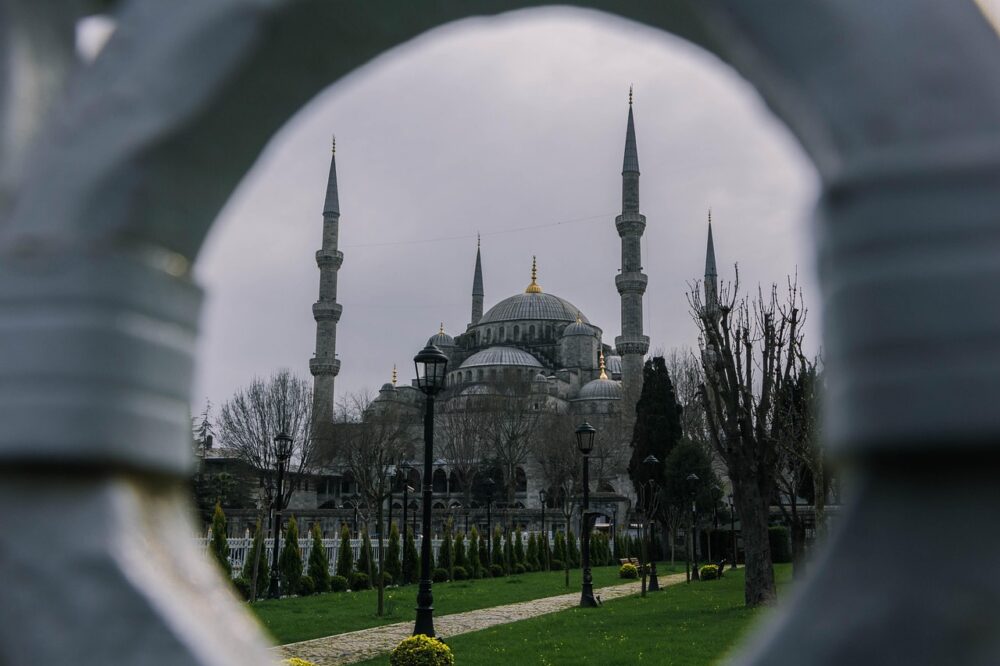
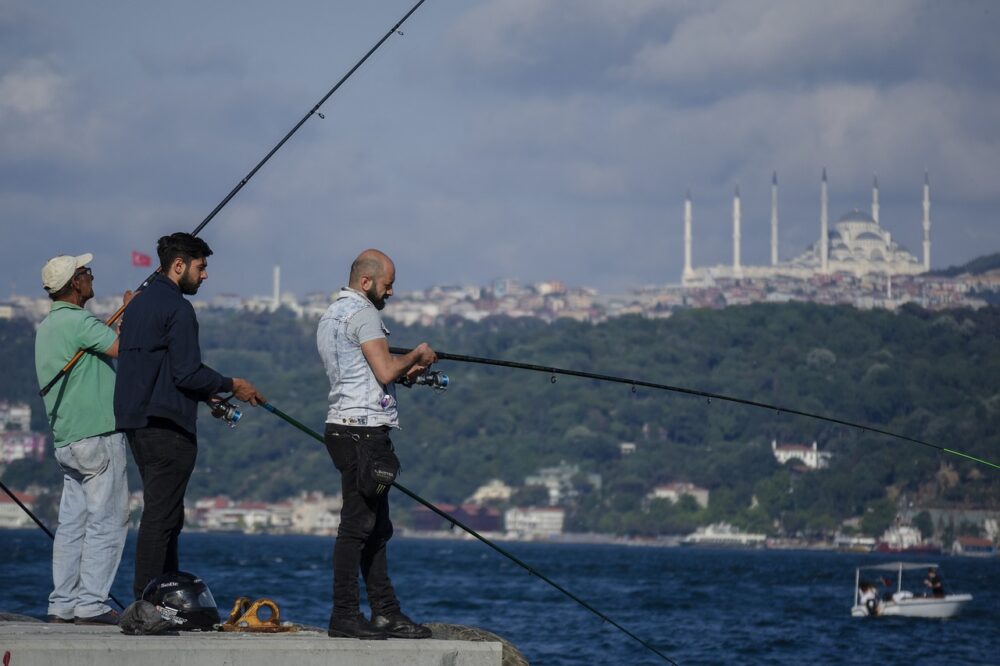
Photo by Eyüpcan Timur on Pexels


I’m worried about the visa process. How long does it usually take to get a student visa for Turkey after receiving the acceptance letter?
After you get your acceptance letter, you can apply for a student visa at the Turkish consulate. Processing typically takes 4-8 weeks, so apply as soon as possible.
Is it possible to apply for a master’s program without having a bachelor’s degree in the same field?
Yes, many universities accept students from different academic backgrounds, but you may need to take prerequisite courses. Check with the specific program’s admission requirements.
Thanks for the detailed guide! One question: do I need to have my transcripts translated by a certified translator, or can I do it myself?
Most universities require certified translations from a sworn translator or your home university. DIY translations are usually not accepted. Check the university’s document guidelines.
Great article! I’m planning to apply for a master’s in computer science at Istanbul Technical University. Do I need to provide GRE scores?
Thank you! For ITU, GRE is not mandatory for most programs, but some departments may recommend it. Check the specific program page to be sure.