

Table des matières:
Why Study Environmental Science in Nice?
Nice, located on the French Riviera, offers a unique setting for environmental science studies. Its Mediterranean climate, diverse ecosystems (coastal, alpine, and urban), and proximity to international research institutions make it a prime location for students passionate about sustainability. The city hosts several universities and research centers that provide undergraduate and graduate programs in environmental science, ecology, marine biology, and sustainable development.
This guide covers the main environmental science programs available at universities in Nice, including curriculum highlights, research opportunities, and career prospects. Whether you are a prospective student or a professional seeking further education, this article will help you navigate your options.
Overview of Environmental Science Programs in Nice
Nice is home to two major public universities offering environmental science degrees: Université Côte d’Azur (UCA) and its affiliated schools, as well as École Supérieure d’Agriculture de Nice (now part of UCA). Additionally, private institutions and specialized research centers provide niche programs. Most programs are taught in French, but an increasing number offer English-taught tracks at the master’s level.
Below is a table summarizing the main programs:
| University / Institution | Program Name | Degree Level | Language |
|---|---|---|---|
| Université Côte d’Azur (UCA) | Bachelor in Life Sciences (Environmental Biology track) | Bachelor (Licence) | French |
| Université Côte d’Azur (UCA) | Master in Environmental Sciences and Sustainable Development | Master | French / English |
| Université Côte d’Azur (UCA) | Master in Marine and Coastal Environmental Sciences | Master | English |
| École Supérieure d’Agriculture de Nice (ESA) | Engineering Diploma in Agronomy and Environment | Master-level (Diplôme d’Ingénieur) | French |
| Observatoire Océanologique de Villefranche-sur-Mer | PhD in Marine Ecology / Oceanography | Doctorate | English |
Université Côte d’Azur (UCA): Leading Environmental Programs
UCA is the largest public university in Nice, formed by merging several institutions. It offers a comprehensive range of environmental science programs across its faculties, including the Faculty of Sciences and the Polytech Nice engineering school.
Bachelor’s Level: Licence Sciences de la Vie (Life Sciences)
This three-year undergraduate degree includes a track in Environmental Biology. Students study ecology, biodiversity, evolution, and environmental chemistry. Practical work includes field trips to the Mercantour National Park and coastal reserves. Graduates can proceed to master’s programs or enter environmental consulting roles.
Master’s Level: Master in Environmental Sciences and Sustainable Development
This two-year program offers specializations such as:
- Ecology and Biodiversity Conservation
- Environmental Management and Policy
- Climate Change Adaptation
- Green Chemistry and Clean Technologies
Courses include GIS, remote sensing, environmental law, and ecological modeling. Students complete a thesis and an internship with local organizations like the French National Institute for Agricultural Research (INRAE) or the Mediterranean Institute of Oceanography.
Master in Marine and Coastal Environmental Sciences (English-taught)
This program is particularly attractive to international students. It covers marine ecology, oceanography, coastal zone management, and marine pollution. Fieldwork takes place at the Villefranche-sur-Mer marine station, a world-renowned research facility. Graduates often pursue PhDs or work in marine conservation, aquaculture, or coastal planning.
École Supérieure d’Agriculture de Nice (ESA)
ESA offers a five-year engineering program (Diplôme d’Ingénieur) with a focus on agronomy, food science, and environmental management. Students learn about sustainable agriculture, soil science, water management, and biodiversity. The program includes hands-on projects with local farms and wineries in the Provence-Alpes-Côte d’Azur region. ESA is now integrated into UCA but retains its own curriculum.
Research Opportunities and Labs
Nice is a hub for environmental research. Key laboratories include:
- Mediterranean Institute of Oceanography (MIO): Focuses on marine ecosystems, climate change impacts, and ocean acidification.
- Ecology and Environmental Sciences Laboratory (LEES): Studies terrestrial ecology, biodiversity, and ecosystem services.
- Observatoire Océanologique de Villefranche-sur-Mer: A CNRS-affiliated marine station offering PhD programs in oceanography and marine biology.
Master’s students often collaborate with these labs for their thesis research, gaining access to advanced equipment like research vessels, molecular biology tools, and satellite data.
How to Choose the Right Program: A Practical Checklist
Selecting the best environmental science program in Nice depends on your career goals, language preference, and academic background. Use this checklist to evaluate your options:
- Define your specialization: Are you interested in marine biology, terrestrial ecology, environmental policy, or sustainable agriculture? Choose a program that matches.
- Check language requirements: Most bachelor’s programs require French proficiency (B2 level). Master’s programs may offer English tracks; confirm the language of instruction.
- Consider internship opportunities: Programs with strong industry links (e.g., with local environmental agencies or NGOs) provide practical experience.
- Evaluate research facilities: If you plan to pursue a PhD, look for programs affiliated with active research labs.
- Review accreditation: Ensure the degree is recognized internationally, especially if you plan to work outside France.
- Assess cost and scholarships: Tuition at public universities is low (around €200-600 per year for EU students; higher for non-EU). Some programs offer scholarships like the Eiffel Excellence Scholarship.
Career Paths After Graduating from a Nice Environmental Science Program
Graduates from Nice’s environmental science programs find employment in diverse sectors. Common roles include:
- Environmental consultant (working on impact assessments)
- Conservation officer (with national parks or NGOs like WWF France)
- Marine biologist (research institutes or aquariums)
- Policy analyst (government agencies or international organizations)
- Renewable energy project manager
- Environmental educator or science communicator
The location provides additional opportunities in tourism-related environmental management, such as sustainable coastal tourism and waste management in the hospitality sector. Many graduates also pursue PhDs at UCA or other European universities.
Common Mistakes to Avoid When Applying
Prospective students often make these errors:
- Overlooking language requirements: Even if a program is taught in English, you may need French for daily life and internships. Start learning French early.
- Ignoring application deadlines: French universities have strict deadlines (often January-March for September intake). Plan ahead.
- Not researching the curriculum: Some programs are more theoretical than practical. Review course descriptions and talk to current students if possible.
- Underestimating living costs: Nice is more expensive than other French cities. Budget for housing (€500-800/month) and transportation.
Frequently Asked Questions
Are environmental science programs in Nice taught in English?
Some master’s programs are taught in English, particularly the Master in Marine and Coastal Environmental Sciences at UCA. Most bachelor’s programs are in French. Always check the specific program page for language requirements.
Can international students apply to these programs?
Yes, international students are welcome. You will need to provide proof of language proficiency (French or English) and meet academic requirements. Non-EU students may need to pay higher tuition fees (around €2,770 per year for bachelor’s, €3,770 for master’s in 2024-2025).
What is the typical duration of a master’s program in environmental science?
Most master’s programs in France last two years (M1 and M2). Some integrated programs may be three years, but the standard is four semesters.
Are there scholarships available for environmental science students in Nice?
Yes, the French government offers the Eiffel Excellence Scholarship for master’s and PhD students. UCA also provides some merit-based scholarships. Additionally, the Erasmus+ program supports EU students.
What research opportunities exist for master’s students?
Master’s students can conduct their thesis research in affiliated labs like MIO or LEES. Many programs include a research internship in the second year. Some students also publish their findings in scientific journals.
How does the location in Nice benefit environmental science studies?
Nice’s location offers direct access to Mediterranean marine ecosystems, the Alps, and agricultural areas. Students can study diverse habitats within a short distance, making fieldwork rich and varied. The city also hosts international environmental conferences and events.
Your Next Steps: How to Apply
If you are ready to pursue an environmental science program in Nice, follow these steps:
- Research programs: Visit the UCA website (univ-cotedazur.fr) and ESA’s page for detailed curricula.
- Check admission requirements: For bachelor’s, you typically need a high school diploma. For master’s, a relevant bachelor’s degree is required.
- Prepare language tests: Take DELF/DALF for French or TOEFL/IELTS for English if needed.
- Gather documents: Transcripts, CV, motivation letter, and recommendation letters.
- Apply via Études en France (for non-EU) or Parcoursup (for EU bachelor’s).
- Apply for scholarships early.
- Arrange housing and visa.
For personalized advice, contact the university’s international office. Good luck with your environmental science journey in Nice!
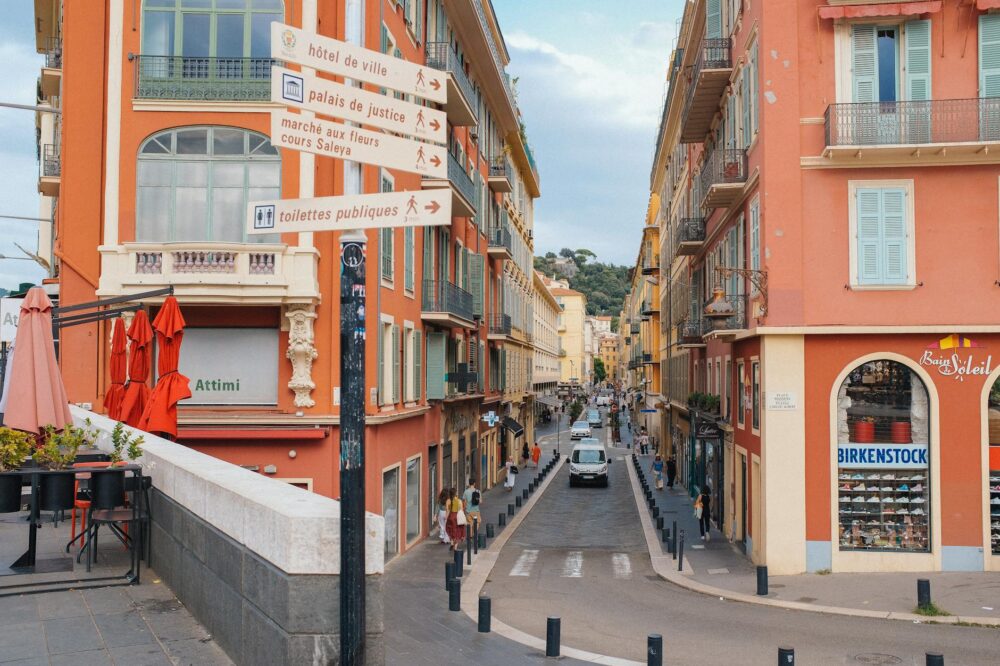
Photo by Artem Beliaikin on Unsplash



I’m a professional looking to switch careers into environmental sustainability. Are there any part-time or online programs available in Nice?
Nice universities primarily offer full-time, on-campus programs for environmental science. However, some master’s programs may allow part-time study on a case-by-case basis, especially for professionals. For online options, you might need to look into distance-learning programs from other French universities or international institutions. UCA does have some e-learning courses, but they are not specifically in environmental science as of now. I recommend contacting the admissions office of UCA directly to discuss flexible study arrangements.
Are there any English-taught bachelor’s programs in environmental science at Nice universities? I only saw master’s programs listed as English.
Currently, most bachelor’s programs in environmental science at Nice universities are taught in French. However, some master’s programs, like the Master in Marine and Coastal Environmental Sciences, are fully in English. If you’re looking for undergraduate study in English, you might need to check if UCA offers any English-taught tracks in related fields, but as of now, the main bachelor’s option (Life Sciences with Environmental Biology track) is in French.
This is really helpful! I’m considering the Master in Environmental Sciences and Sustainable Development. Could you tell me more about the research opportunities, especially if I’m interested in marine biology?
Great choice! The Master in Environmental Sciences and Sustainable Development at UCA offers various research opportunities. For marine biology specifically, you can collaborate with the Observatoire Océanologique de Villefranche-sur-Mer, which is a world-renowned marine research center. Many master’s students do internships there or work on thesis projects related to coastal ecosystems, oceanography, or marine ecology. Additionally, the program includes field trips and practical modules that often involve marine environments.