

The University of Amsterdam (UvA) offers a wide array of language courses designed to meet the needs of students, researchers, and professionals. Whether you need to improve your academic English, learn Dutch from scratch, or pick up a less commonly taught language, the UvA Language Centre provides structured programs at various levels. This guide breaks down every language course offered at the University of Amsterdam, including languages, levels, formats, and practical tips to choose the right one.
Table des matières:
Overview of Language Courses at UvA
The UvA Language Centre is the primary provider of language instruction within the university. It offers courses in over 10 languages, ranging from beginner to advanced levels. Courses are open to UvA students, staff, and the general public. The main categories include:
- Dutch as a Foreign Language (NT2)
- Academic English
- Modern European Languages (French, German, Spanish, Italian, Portuguese)
- Less Commonly Taught Languages (Arabic, Chinese, Japanese, Russian, Turkish)
- Intensive Summer and Winter Courses
- Customised Training for Companies and Groups
Dutch as a Foreign Language (NT2) Courses
For international students and expats, Dutch courses are the most popular offering. The UvA Language Centre follows the Common European Framework of Reference for Languages (CEFR) levels A1 to C1.
Regular Dutch Courses
These run during the academic year (September–June) and are available in two formats: standard (2 hours per week, 12 weeks) and intensive (4 hours per week, 8 weeks). Levels include:
- Dutch A1 (Beginner)
- Dutch A2 (Elementary)
- Dutch B1 (Intermediate)
- Dutch B2 (Upper Intermediate)
- Dutch C1 (Advanced)
Intensive Dutch Summer and Winter Courses
For faster progress, 2-week or 4-week intensive courses are offered in July–August and January. These cover one full CEFR level per course.
Dutch for Specific Purposes
Specialised courses include:
- Dutch for Business
- Dutch for Academic Purposes
- Dutch for Healthcare Professionals
- Dutch for Law
Tip: If you are a UvA student, you may be eligible for a subsidised rate or even free courses through the Dutch Language and Culture Programme.
Academic English Courses
UvA provides several English courses to support non-native speakers in academic settings. These are especially relevant for bachelor’s and master’s students whose first language is not English.
English for Academic Purposes (EAP)
Focuses on writing essays, research papers, and theses, as well as giving presentations. Levels: B2 and C1. Duration: 12 weeks, 2 hours per week.
English for Business and Professional Communication
Ideal for those entering the job market. Covers negotiation, email writing, and meeting skills.
English Pronunciation and Speaking Skills
A short course (6 weeks) targeting pronunciation, fluency, and confidence in spoken English.
TOEFL and IELTS Preparation
Structured courses to help you achieve your target score. Includes practice tests and feedback.
Note: UvA also offers English-taught degree programmes, but these are separate from language courses.
Modern European Languages
The UvA Language Centre offers beginner to advanced courses in five European languages. These are open to all and follow the CEFR.
| Language | Levels Available | Course Formats |
|---|---|---|
| French | A1 to C1 | Regular, Intensive, Summer |
| German | A1 to C1 | Regular, Intensive, Summer |
| Spanish | A1 to C1 | Regular, Intensive, Summer |
| Italian | A1 to B2 | Regular, Intensive, Summer |
| Portuguese | A1 to B2 | Regular, Intensive, Summer |
Each course emphasises speaking, listening, reading, and writing skills. Cultural components are integrated.
Less Commonly Taught Languages
For those interested in non-European languages, UvA offers courses in Arabic, Chinese, Japanese, Russian, and Turkish.
Arabic
Modern Standard Arabic (MSA) from A1 to B2. Also offers a Levantine Colloquial Arabic module.
Chinese (Mandarin)
From beginner to intermediate (A1–B1). Focus on spoken Mandarin and simplified characters.
Japanese
Levels A1 to B1. Includes both spoken and written language (hiragana, katakana, basic kanji).
Russian
A1 to B2. Covers Cyrillic script, grammar, and conversation.
Turkish
A1 to B1. Emphasises everyday communication.
These courses are typically offered in the regular format (12 weeks) and sometimes as intensive summer courses.
Intensive Summer and Winter Language Courses
If you want to learn a language quickly, UvA’s intensive courses are a great option. They run for 2 to 4 weeks, with 15–20 hours of instruction per week. Languages offered include Dutch, English, French, German, Spanish, Italian, and more. These are ideal for students on break or professionals with limited time.
Customised Language Training for Groups and Companies
UvA Language Centre also designs tailor-made courses for organisations. These can focus on specific sectors (e.g., legal, medical, financial) and are delivered on-site or online. Contact the Language Centre directly for a quote.
Online and Blended Learning Options
Many courses are available in a fully online or blended format (combination of online self-study and live sessions). This is especially useful for those who cannot attend in person.
How to Choose the Right Language Course at UvA
To select the best course for your needs, consider the following checklist:
- Identify your goal: Academic, professional, or personal?
- Assess your level: Take the free online placement test offered by the Language Centre.
- Check your schedule: Regular courses require weekly attendance; intensive courses require full-time commitment.
- Verify eligibility: Some courses have prerequisites (e.g., English B2 for academic writing).
- Compare costs: Prices vary; UvA students often get discounts.
- Read reviews: Look for student testimonials on the Language Centre website.
Enrollment and Practical Information
Enrollment is done through the UvA Language Centre website. Deadlines are typically 2–3 weeks before the course start date. Payment is required upon registration. Cancellation policies apply.
Important: Some courses fill up quickly, so early registration is advised. For Dutch courses, there is often a waiting list for popular levels.
Common Mistakes to Avoid When Choosing a Language Course
- Overestimating your level: Always take the placement test to avoid being in a class that is too advanced.
- Ignoring the CEFR level: Courses are designed around CEFR; ensure you understand what each level entails.
- Not considering time commitment: Intensive courses require daily homework; regular courses require weekly practice.
- Overlooking free resources: UvA offers language exchange programmes and conversation tables that complement formal courses.
Frequently Asked Questions
Are language courses at UvA open to non-students?
Yes, most courses are open to the general public, though prices may be higher for non-UvA affiliates.
Can I get a certificate after completing a language course?
Yes, the UvA Language Centre issues a certificate of attendance or completion, depending on the course. Some courses also prepare you for official exams (e.g., NT2, Goethe, DELE).
How much do language courses cost?
Prices range from €200 to €600 for regular courses (12 weeks) and €500 to €1,200 for intensive courses. UvA students receive a discount of around 30–50%.
What is the difference between regular and intensive courses?
Regular courses meet once a week for 12 weeks; intensive courses meet daily for 2–4 weeks. Intensive courses cover the same material in a shorter period.
Do I need to take a placement test?
For levels above beginner, a placement test is mandatory to ensure you are placed in the correct group.
Are there online language courses available?
Yes, many courses are offered online or in a blended format. Check the Language Centre website for the latest options.
Next Steps: How to Get Started
Now that you know what language courses are offered at the University of Amsterdam, the next step is to visit the UvA Language Centre website, browse the course catalogue, and register for the course that fits your goals. If you are unsure, take a free placement test or contact their student advisor. Start your language learning journey today—whether it’s Dutch for integration, English for academic success, or a new language for personal enrichment.
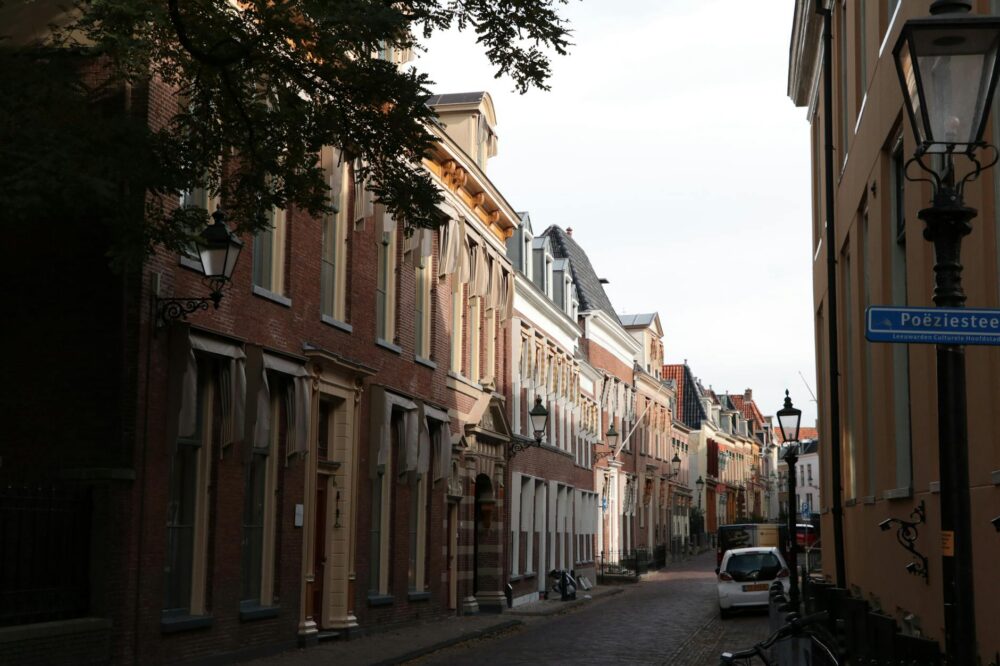
Photo by wal_172619_II on Pixabay


The article mentions that UvA students might get subsidized rates for Dutch courses. Could you clarify how to check eligibility and what the discount typically is?
UvA students can check eligibility via the Dutch Language and Culture Programme page on the UvA website. Subsidies vary by faculty and course; some programs offer courses free of charge, while others provide a 50% discount. You’ll need to log in with your student ID to see your specific rate.
I’m an international student starting at UvA next fall. I see there are standard and intensive Dutch courses. Which format would you recommend for someone who has no prior knowledge of Dutch but needs to get to B1 level within one academic year?
For going from A1 to B1 in one academic year, we recommend the intensive format (4 hours per week, 8 weeks per level). This allows you to complete A1, A2, and B1 in three consecutive intensive courses, roughly covering September to May. The standard format would take longer per level.
Great overview! I was surprised to see that UvA offers Dutch for Law and Healthcare Professionals. Are these courses open to non-UvA students, and do they require a certain level of Dutch beforehand?
Yes, all courses at the UvA Language Centre are open to the general public. For Dutch for Specific Purposes, you typically need at least a B1 level in general Dutch before enrolling, as the courses focus on specialized vocabulary and contexts. Check the specific course prerequisites on the Language Centre website.