

Table des matières:
Do You Really Need French to Get By in Nice?
If you’re planning a trip to Nice or considering moving there, you’ve probably asked yourself: Do I need to speak French in Nice? The short answer is: no, you can survive without it, but speaking even a little French will dramatically improve your experience. Nice is one of France’s most international cities, thanks to tourism and a large expat community. English is widely spoken in tourist areas, hotels, and restaurants. However, outside these zones, French becomes more essential. This article breaks down when you can rely on English, when you need French, and how to bridge the gap.
How Much English Is Spoken in Nice?
Nice welcomes millions of international visitors each year, so the tourism industry is well adapted to English. In central areas like the Promenade des Anglais, Old Town (Vieux Nice), and around the train station, you’ll find English menus, English-speaking staff, and signs in both languages. Many younger people and professionals speak English fluently. However, this doesn’t mean everyone does. In local bakeries, markets, or administrative offices, English may be limited or nonexistent.
Where English Is Common
- Hotels and hostels (especially front desk staff)
- Tourist attractions and museums (audio guides often have English)
- Popular restaurants and cafés in the city center
- Airport, train station, and taxi services
- Shops catering to tourists
Where English Is Less Common
- Local bakeries (boulangeries) and small food shops
- Public markets (like Cours Saleya)
- Government offices and post offices
- Doctor’s offices and hospitals (though some specialists speak English)
- Neighborhoods away from the tourist core
When You Can Get By with English Only
If you’re a short-term tourist staying in central Nice, you can manage with English alone. Most interactions—checking into a hotel, ordering food, buying tickets—are possible in English. However, you may encounter situations where a few French words help, like saying bonjour when entering a shop. Locals appreciate the effort, and it often leads to better service.
For expats and long-term visitors, relying solely on English is possible but limiting. You can join English-speaking communities, work for international companies, and socialize with other expats. But daily life—from dealing with utilities to making friends with locals—becomes smoother with French.
When You Really Need French
Certain situations almost demand French. If you’re dealing with bureaucracy—applying for a residence permit, registering with social security, or opening a bank account—you’ll likely need French or a translator. Medical emergencies may also require French, especially if you need to describe symptoms. Landlords and real estate agents often prefer French, and contracts are in French. For deeper integration, such as making local friends or understanding cultural nuances, French is invaluable.
Practical Checklist for Non-French Speakers
| Situation | English Likely? | French Needed? |
|---|---|---|
| Checking into a hotel | Yes | No |
| Ordering in a restaurant | Often | Helpful |
| Buying bread at a bakery | Rarely | Yes |
| Visiting a doctor | Sometimes | Often |
| Renting an apartment | Sometimes | Often |
| Dealing with government offices | Rarely | Yes |
Common Mistakes English Speakers Make in Nice
Many visitors assume everyone speaks English and start conversations without greeting in French. This is considered rude. Always begin with Bonjour (good day) or Bonsoir (good evening). Another mistake is speaking loudly or slowly in English, expecting comprehension. Instead, use simple words and gestures. Also, avoid assuming that all French people are fluent—many are not, especially older generations. Patience and a smile go a long way.
How to Learn Basic French Before Your Trip
You don’t need to be fluent, but learning a few phrases can transform your experience. Focus on greetings, polite expressions, numbers, and common questions. Apps like Duolingo, Babbel, or Memrise can help. Also, practice pronunciation: French is not phonetic like English. For example, bonjour is pronounced “bohn-zhoor.” Carry a phrasebook or use translation apps like Google Translate (download offline mode). Locals appreciate any attempt, even if imperfect.
Essential French Phrases for Nice
- Bonjour – Hello (used until evening)
- Bonsoir – Good evening
- S’il vous plaît – Please
- Merci – Thank you
- Excusez-moi – Excuse me
- Parlez-vous anglais ? – Do you speak English?
- Combien ça coûte ? – How much does it cost?
- L’addition, s’il vous plaît – The check, please
- Où sont les toilettes ? – Where are the toilets?
- Je ne comprends pas – I don’t understand
Living in Nice Without Speaking French: Is It Sustainable?
For expats, the answer depends on your lifestyle. If you work remotely for an international company, live in an expat-heavy area, and socialize within English-speaking circles, you can manage. However, you’ll miss out on local culture, deeper friendships, and convenience. Many expats eventually take French classes to integrate better. The city offers numerous language schools and conversation groups. Learning French also helps you understand the local mentality and humor, which enriches your stay.
Resources for English Speakers in Nice
Nice has a robust English-speaking community. Look for Facebook groups like “English Speakers in Nice” or “Expats in Nice.” There are also English-speaking churches, clubs, and meetups. For services, some doctors, lawyers, and real estate agents advertise English proficiency. The local government’s website (ville-nice.fr) may have English sections, but often not. For urgent help, the British Consulate in Marseille or the American Consulate in Nice can assist.
Frequently Asked Questions
Can I visit Nice if I only speak English?
Yes, absolutely. Thousands of tourists do it every year. You’ll have no problem in tourist areas, but learning a few French words will make your trip smoother and more enjoyable.
Is it rude to speak English in Nice without asking?
It’s not rude, but it’s polite to start with Bonjour and then ask Parlez-vous anglais ? This shows respect for the local language and culture.
Do people in Nice speak English better than in Paris?
Generally, Paris has more English speakers overall, but Nice’s tourism industry makes English quite common in central areas. Outside of tourism, Paris may have an edge due to more international business.
How long does it take to learn enough French for daily life?
With consistent practice, you can reach A2 level (basic conversations) in 3-6 months. This is enough for simple interactions like shopping, ordering food, and greetings.
Are there English-speaking doctors in Nice?
Yes, there are. You can find lists of English-speaking doctors through expat forums or the American Hospital of Paris directory (though that’s in Paris). In Nice, ask at the pharmacy or search online for “médecin parlant anglais Nice.”
What’s the best way to learn French while living in Nice?
Enroll in a language school like Alliance Française, take private lessons, or use apps. Immersion is key: practice with locals, watch French TV, and read French newspapers. Many cafés host language exchange events.
Final Tips for Navigating Nice Without French
To sum up, you don’t need to speak French in Nice as a tourist, but it helps. For expats, learning French is highly recommended for integration and convenience. Start with basic phrases, use translation apps, and be respectful. The effort you make will be rewarded with warmer interactions and a deeper appreciation of the city. So, pack your sunscreen, learn a few words, and enjoy the beautiful French Riviera.
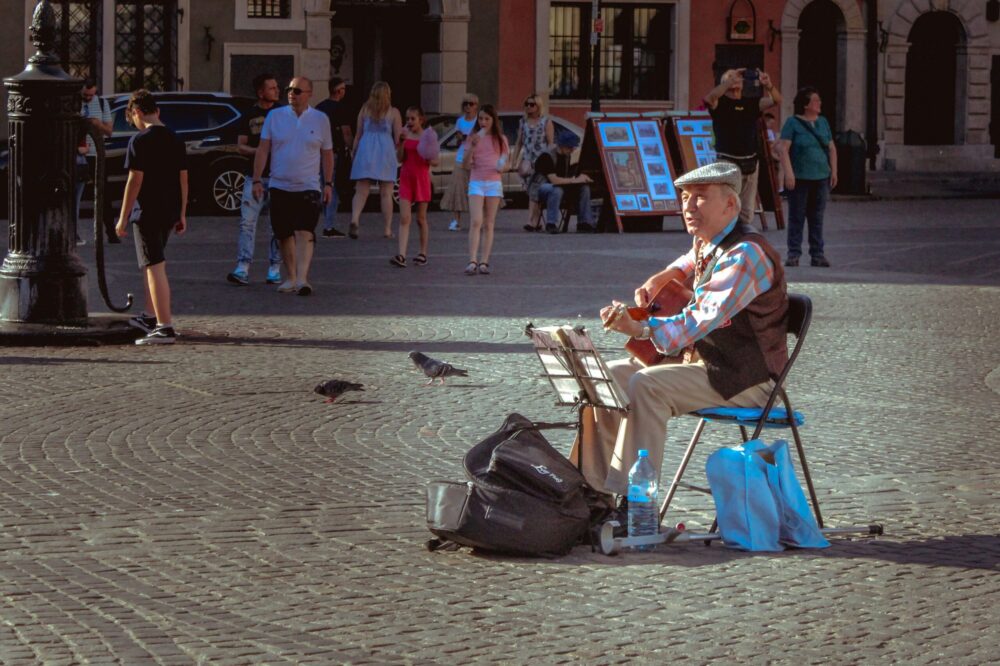
Photo by Fabio Romano on Unsplash

Thanks for the practical checklist! I’ll make sure to learn a few phrases before my trip.
You’re welcome! Learning a few basics like ‘bonjour’, ‘merci’, ‘s’il vous plaît’, and ‘où sont les toilettes?’ will really enhance your experience. Enjoy Nice!
I’m planning a week-long trip to Nice. Do you think I can get by with just English if I stick to the main tourist areas?
Absolutely. In central areas like the Promenade des Anglais, Old Town, and near the train station, English is widely spoken in hotels, restaurants, and attractions. You’ll manage fine, but a simple ‘bonjour’ and ‘merci’ will go a long way.
I’m moving to Nice for work. My French is basic. How essential is it for daily errands like grocery shopping or visiting the post office?
For grocery shopping, especially in supermarkets like Carrefour or Monoprix, you can get by with English. But in local bakeries and markets, French is more common. For the post office, staff may have limited English, so learning key phrases or using a translation app helps.
I’m an expat and worried about bureaucracy. Do I need to hire a translator for residency applications?
For complex paperwork like residency permits, having a translator or a French-speaking friend is highly recommended. Some expat services offer assistance. Alternatively, you can use official translation services for documents.
What about medical emergencies? I have allergies and worry about communicating in a hospital.
In hospitals, some doctors and staff speak English, but it’s not guaranteed. For emergencies, it’s wise to carry a card with your allergies written in French. Learn phrases like ‘Je suis allergique à…’ or use a medical translation app.
I read that saying ‘bonjour’ is important when entering shops. Is that really necessary?
Yes, it’s a cultural norm. Always greet with ‘Bonjour’ when entering any shop or bakery. It shows respect and often results in friendlier service. Even a simple ‘bonjour’ makes a big difference.