
Table des matières:
What Makes Niçoise Cuisine Unique?
Nice, the capital of the French Riviera, has a culinary identity shaped by its Mediterranean location, Italian influences, and sun-drenched produce. The famous food in Nice reflects a simple, bold, and fresh approach—olive oil, garlic, anchovies, tomatoes, and herbs dominate. Unlike butter-heavy northern French cuisine, Niçoise cooking relies on olive oil and local vegetables, creating dishes that are both rustic and refined.
Key Ingredients of Niçoise Cooking
- Olive oil – Usually from the region, fruity and peppery
- Anchovies and sardines – Small, flavorful fish used in many dishes
- Garlic and onions – Base aromatics
- Tomatoes – Sun-ripened, often used raw or lightly cooked
- Herbs de Provence – Thyme, rosemary, basil, oregano
- Olives – Small black Niçoise olives
- Eggplant, zucchini, bell peppers – Ratatouille staples
The Most Iconic Dishes: Famous Food in Nice
When asking “What is the famous food in Nice?”, several dishes come to mind. Here are the must-try specialties.
Socca – The Queen of Street Food
Socca is a thin, crispy chickpea pancake baked in a wood-fired oven. It’s gluten-free, vegan, and utterly addictive. Vendors sell it by the slice, often sprinkled with black pepper. Best eaten hot, straight from the pan.
Where to try: Cours Saleya market or old town stalls like Chez Pipo or Lou Pilha Leva.
Pissaladière – Niçoise Pizza
This caramelized onion tart topped with anchovies and black olives is Nice’s answer to pizza. The dough is thicker than pizza, and there’s no cheese. The sweetness of onions balances the saltiness of anchovies.
Tip: Look for pissaladière with a soft, not crispy, crust.
Salade Niçoise – A Complete Meal
While famous worldwide, authentic salade niçoise in Nice contains no cooked vegetables or rice. It’s a composed salad of tomatoes, hard-boiled eggs, Niçoise olives, anchovies or tuna, and green beans. Dressed with olive oil and lemon.
Mistake to avoid: Don’t add potatoes or corn – locals consider that a corruption.
Ratatouille – Summer Vegetable Stew
Ratatouille is a slow-cooked medley of eggplant, zucchini, bell peppers, tomatoes, and herbs. In Nice, it’s often served as a side or a main with bread. Each version varies by cook, but the essence is harmony of vegetables.
Daube Niçoise – Beef Stew with Wine
A hearty beef stew braised in red wine (often Côtes de Provence) with carrots, onions, garlic, and orange zest. It’s typically served with pasta or gnocchi. The orange peel adds a Provençal twist.
Farcis Niçois – Stuffed Vegetables
Vegetables like tomatoes, zucchini, and bell peppers are hollowed and stuffed with a mixture of breadcrumbs, garlic, herbs, and sometimes meat. Baked until tender, they’re a staple of Niçoise home cooking.
Pan Bagnat – The Niçoise Sandwich
Literally “bathed bread,” this sandwich is a round roll filled with salade niçoise ingredients, soaked in olive oil and vinegar. It’s portable and perfect for a beach picnic.
Sweet Treats and Desserts
Nice also has notable sweets. Fruits confits (candied fruits) are a specialty, especially from the Confiserie Florian. Tourte aux blettes is a Swiss chard tart that can be sweet or savory; the sweet version includes pine nuts, raisins, and apples. Gâteau à la broche is a spit cake often found at festivals.
Where to Eat the Famous Food in Nice
Markets and Street Food

- Cours Saleya Market – Morning market with socca, pissaladière, and fresh produce
- Old Town (Vieux Nice) – Narrow streets packed with casual eateries
- Chez Pipo – Iconic socca spot since 1923
Restaurants
- Le Bistrot d’Antoine – Traditional Niçoise dishes in a cozy setting
- La Merenda – No reservations, authentic fare
- L’Escalinada – Specializes in farcis and socca
Practical Tips for Eating in Nice
- Timing: Lunch is typically 12:00–14:00, dinner from 19:00. Many restaurants close between.
- Menus: Look for “menu du jour” for good value.
- Beverages: Pair food with local rosé or a glass of pastis.
- Seasonality: Ratatouille and salade niçoise are best in summer; daube in winter.
- Language: Knowing a few French phrases helps, but tourist areas are English-friendly.
Common Questions About Niçoise Food
Is socca gluten-free?
Yes, socca is made from chickpea flour and water, making it naturally gluten-free.
What is the difference between pissaladière and pizza?
Pissaladière has no cheese or tomato sauce; its base is caramelized onions, anchovies, and olives. The dough is thicker and softer.
Can I find vegetarian options in Nice?
Absolutely. Socca, ratatouille, farcis (without meat), and salade niçoise (without tuna) are all vegetarian-friendly.
What is a typical Niçoise breakfast?
Locals often have a simple breakfast of bread with butter or jam, or a croissant, plus coffee. Socca is rarely eaten in the morning.
Final Recommendations for Exploring Niçoise Cuisine
To truly answer “What is the famous food in Nice?”, go beyond the tourist menus. Visit Cours Saleya market for socca and pissaladière, try a home-style daube at a small bistro, and enjoy a pan bagnat on the beach. Each dish tells a story of Nice’s history and geography. Embrace the simplicity and freshness, and you’ll understand why Niçoise food is celebrated worldwide.
Frequently Asked Questions
What is the most famous food in Nice?
Socca is arguably the most iconic, but salade niçoise and pissaladière are also top contenders.
Is seafood popular in Nice?
Yes, but not as dominant as in coastal towns. Anchovies, sardines, and tuna feature often, but meat stews like daube are also common.
What should I drink with Niçoise food?
Local rosé wine is a classic choice. For an aperitif, try a glass of pastis or a Niçois craft beer.
Are there food tours in Nice?
Yes, many guided tours focus on the old town and markets, offering samples of socca, pissaladière, and other specialties.
Can I take Niçoise food home?
Olive oil, tapenade, and candied fruits make great souvenirs. Socca is best eaten fresh, not packed.
What is the best time to visit for food?
Late spring to early autumn offers the best produce for ratatouille and salads. Winter is ideal for hearty daube.
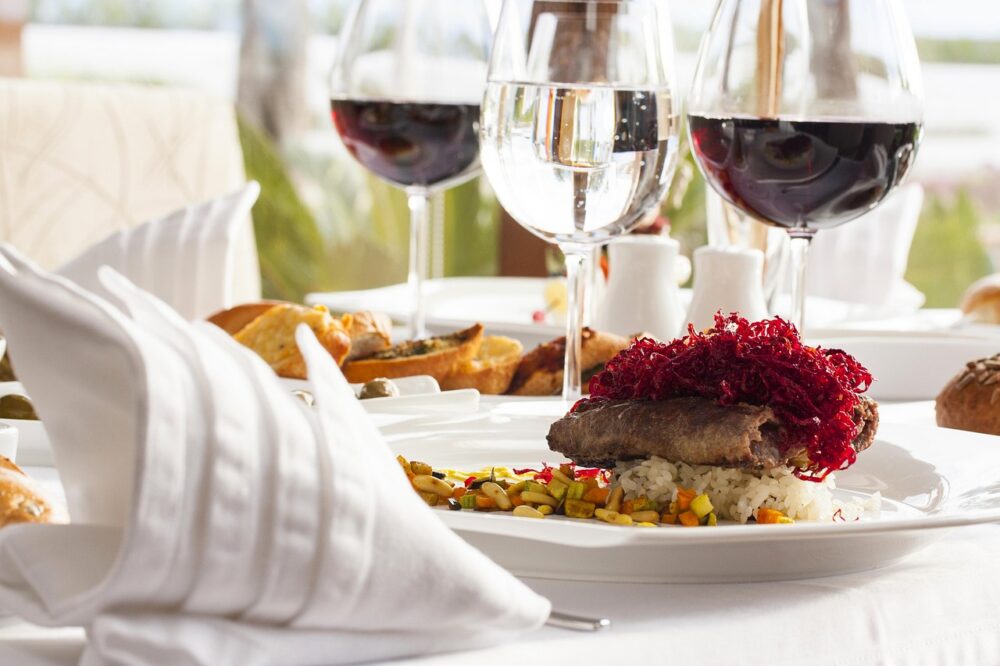
Photo by Engin_Akyurt on Pixabay




I’ve always wondered what makes socca different from other chickpea pancakes. Is it just the baking method?
Great question! Socca’s uniqueness comes from being baked in a wood-fired oven at very high heat, which gives it a thin, crispy texture and a slightly smoky flavor. The batter is simply chickpea flour, water, olive oil, and salt, so the method and heat are key.
Can you recommend a good place to try pan bagnat near the beach?
For a classic pan bagnat near the beach, head to the Cours Saleya market in the morning and grab one from a stall there. Alternatively, many boulangeries in the old town, like Boulangerie du Coin, prepare them fresh daily. Just look for a round roll that’s been soaked in olive oil.
Thanks for the tip about pissaladière having a soft crust. I tried one that was too crispy and it wasn’t as good.
You’re welcome! The soft crust is indeed a hallmark of a well-made pissaladière. The dough should be more like a thick bread base, allowing the caramelized onions to shine without being overwhelmed by crunch.
Is it true that authentic Salade Niçoise shouldn’t have cooked vegetables? I’ve seen versions with potatoes and green beans.
Yes, that’s correct! In Nice, the traditional Salade Niçoise contains only raw or barely cooked vegetables like tomatoes, green beans (blanched), and hard-boiled eggs. Potatoes, corn, and rice are considered non-traditional additions. The focus is on fresh, high-quality ingredients.
I’m gluten-free. Are there any Niçoise dishes besides socca that I can safely eat?
Absolutely! Many Niçoise dishes are naturally gluten-free. Besides socca, you can enjoy Salade Niçoise (without croutons), ratatouille, daube Niçoise (served with gluten-free pasta or gnocchi if available), and farcis Niçois (stuffed vegetables). Just confirm with the restaurant that no flour is used in the stuffing.