

Finding the right place to live is one of the biggest challenges for students moving to Rome. With over a dozen universities scattered across the city, from Sapienza to Roma Tre, each area offers unique housing options. This guide breaks down the accommodation options near Rome universities, covering costs, locations, and practical tips to help you secure a comfortable home.
Table des matières:
Understanding Rome’s University Districts
Rome is a sprawling city, but most universities are concentrated in specific zones. Knowing which district your campus is in will narrow down your search.
Sapienza University Area (Policlinico/San Lorenzo)
Sapienza, Italy’s largest university, is located near the Policlinico metro stop. The surrounding San Lorenzo neighborhood is a student hub with affordable eateries, bars, and a lively atmosphere. Accommodation here ranges from shared apartments to student residences.
Roma Tre University Area (Ostiense/Garbatella)
Roma Tre’s main campus is in the Ostiense district, a former industrial zone turned creative center. The nearby Garbatella neighborhood offers more residential and budget-friendly options. Public transport is excellent, with metro lines and trains.
LUISS and American University of Rome (Parioli/Trastevere)
LUISS is in the upscale Parioli district, while the American University of Rome is on the Janiculum Hill in Trastevere. Both areas have higher rents but offer safer, quieter environments. Many students opt for shared apartments in Trastevere or Monteverde.
Tor Vergata University Area
Located in the eastern suburbs, Tor Vergata has on-campus dormitories and cheaper private rentals in nearby neighborhoods like Centocelle or Cinecittà. Commuting from central Rome is possible but time-consuming.
Types of Student Accommodation in Rome
Rome offers several types of housing, each with pros and cons. Below is a comparison to help you decide.
| Type | Monthly Cost (€) | Best For | Key Features |
|---|---|---|---|
| Student Residences (Dorms) | 400–800 | First-year, international students | All-inclusive, social environment, meal plans |
| Shared Apartments (Stanze) | 300–600 | Budget-conscious, independent students | Private room, shared kitchen/bath, flexible |
| Private Studio/Apartment | 600–1,200 | Couples, those wanting privacy | Self-contained, higher cost, utilities separate |
| Homestay | 500–900 | Language learners, culture immersion | Meals included, family environment |
Student Residences: Pros, Cons, and Top Options
Student residences are managed by universities or private companies. They offer convenience but often have waiting lists. Apply early!
University-Managed Dormitories
Many universities, like Sapienza and Roma Tre, have their own residences. These are typically the most affordable and closest to campus. For example, Sapienza’s Residenza Universitaria in San Lorenzo costs around €400–€500 per month. However, spots are limited and prioritized for scholarship holders.
Private Student Halls
Companies like Campus X, The Student Hotel, and Unipol offer modern residences with amenities like gyms, study rooms, and events. Prices range from €600 to €900 per month. They are located in central areas like Tiburtina or Ostiense. Ideal if you want a community feel with more independence.
Shared Apartments: The Most Popular Choice
Most students in Rome live in shared apartments (appartamenti condivisi). Renting a room (stanza) in a flat with other students is flexible and cost-effective.
Where to Find Shared Apartments
- Online platforms: Subito.it, Bakeca.it, and Facebook groups (e.g., “Affitto stanze Roma studenti”).
- University notice boards: Physical and virtual boards often list rooms.
- Word of mouth: Ask classmates or join student WhatsApp groups.
What to Expect in Terms of Costs
In San Lorenzo, a room costs €350–€500. In Parioli, it’s €500–€700. Bills (utilities) are usually extra: €50–€100 per month. Always clarify if the rent includes condominium fees and internet.
Common Mistakes to Avoid
- Not visiting in person: Photos can be misleading. Always view the apartment before signing.
- Skipping the contract: A written contract protects both parties. Ensure it specifies duration, deposit, and notice period.
- Ignoring commute time: Check public transport connections. Rome’s metro and buses can be crowded.
Private Rentals: Studios and Apartments
If you prefer living alone or with a partner, a private studio or one-bedroom apartment is an option. Be prepared for higher costs and more paperwork.
Rentals are often unfurnished, but “furnished” usually means basic kitchen and bed. Expect to pay €600–€1,200 per month. Agencies charge a fee (one month’s rent). Popular neighborhoods for private rentals include Trastevere, Monti, and Testaccio, but they are pricey.
Homestays: Living with a Local Family
Homestays are less common but excellent for language immersion. You rent a room in a family home, often with meals included. Costs range from €500 to €900 per month. Platforms like Homestay.com or local agencies can help. This option works well for short stays or if you want a supportive environment.
Checklist for Choosing Accommodation Near Rome Universities
Use this checklist when evaluating options:
- Distance to your university (walking or public transport under 30 minutes?)
- Monthly rent within your budget (include utilities, internet, etc.)
- Contract terms (duration, deposit, notice period)
- Safety of the neighborhood (ask local students)
- Proximity to supermarkets, laundromats, and public transport
- Noise levels (especially in San Lorenzo or Trastevere at night)
- House rules (if sharing with others)
Neighborhood Guide: Where to Live Near Major Universities

San Lorenzo (Sapienza, La Sapienza)
Lively, student-oriented, with many bars and pizzerias. Rents moderate. Be aware of nightlife noise.
Ostiense/Garbatella (Roma Tre)
Ostiense is trendy with lofts and cultural spaces; Garbatella is more residential and cheaper. Good metro and train links.
Parioli/Flaminio (LUISS, Roma Tre Law)
Upscale, quiet, green. Higher rents but safer. Near Villa Borghese.
Trastevere/Monteverde (American University of Rome, John Cabot)
Trastevere is picturesque but touristy and expensive. Monteverde is quieter and more affordable. Both have great food.
Tor Vergata/Centocelle (Tor Vergata University)
Tor Vergata has on-campus dorms; Centocelle offers cheaper private rooms. Commute to center is about 30 minutes by metro.
How to Secure Accommodation: Step-by-Step
1. Start early: Begin your search at least 2–3 months before moving. September is peak season.
2. Set a budget: Include rent, utilities, groceries, transport, and leisure. Aim for rent to be no more than 50% of your monthly income or allowance.
3. Research neighborhoods: Use Google Maps to check commute times and nearby amenities.
4. Contact listings: Reply promptly in Italian if possible. Be ready to provide references or proof of enrollment.
5. View the property: Use video calls if you can’t visit. Ask about heating, hot water, and internet reliability.
6. Sign a contract: Read it carefully. Register the contract with the tax agency (Agenzia delle Entrate) for your rights.
7. Pay deposit: Usually 2–3 months’ rent. Get a receipt.
Frequently Asked Questions
What is the cheapest accommodation option near Rome universities?
Shared apartments in San Lorenzo or Garbatella are the most affordable, with rooms from €300–€400 per month. University dormitories for scholarship holders can be even cheaper.
Is it better to live in a student residence or a shared apartment?
Student residences offer convenience and community but are more expensive and less flexible. Shared apartments give you more freedom and lower costs, but require more effort in finding flatmates and managing bills.
How far in advance should I look for accommodation?
Start 2–3 months before your course begins. The best deals are snapped up early, especially for September intake.
Do I need a contract for renting a room?
Yes, always get a written contract. It protects both you and the landlord. A verbal agreement can lead to disputes over deposits or notice periods.
Can I find accommodation without speaking Italian?
Yes, many landlords and agencies use English, especially in central areas. However, knowing basic Italian helps in negotiations and daily life. Use international student Facebook groups for English-friendly listings.
What are the best websites to find accommodation in Rome?
Popular sites include Subito.it, Bakeca.it, Immobiliare.it, and Facebook groups like “Affitto stanze Roma” or “Housing for Students in Rome”. For residences, visit the university’s housing office website.
Final Recommendations for Choosing Your Home in Rome
Selecting accommodation near Rome universities requires balancing cost, location, and lifestyle. Start your search early, visit in person when possible, and read contracts carefully. Whether you choose a lively shared apartment in San Lorenzo or a quiet studio in Monteverde, make sure it supports your academic goals. For most students, a shared apartment offers the best mix of affordability and social life. If you prioritize convenience, consider a private residence. Whatever you choose, Rome’s charm will make your student years unforgettable.
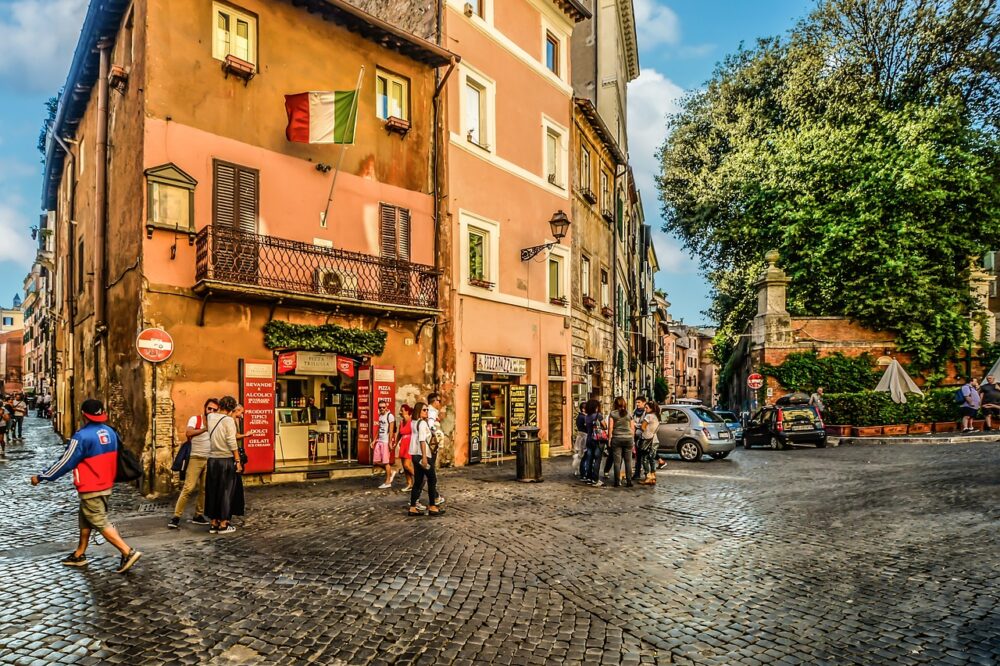
Photo by Resource Moon on Unsplash


I’m planning to study at Roma Tre and I’m torn between living in Ostiense or Garbatella. Which area is more affordable and safe for a female student?
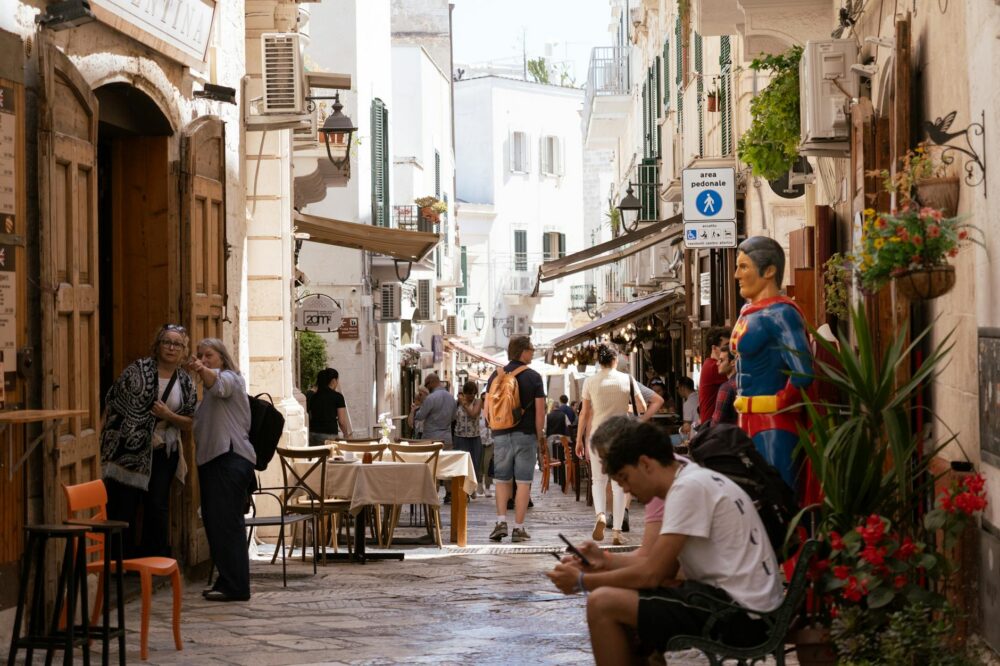
Garbatella is generally more affordable and residential, with slightly lower rents and a quieter atmosphere. It’s also considered safe, with a strong community feel. Ostiense is livelier and more central, but rents can be higher. Both have good metro and train connections to Roma Tre. For safety and budget, Garbatella might be a better fit.