
Table des matières:
Tuition Fees for International Students in Barcelona: What You Need to Know
If you’re considering studying abroad in Barcelona, one of your first questions is likely: what is the cost of tuition for international students in Barcelona? The answer varies widely depending on the type of university (public vs. private), the level of study (bachelor’s, master’s, PhD), and your country of origin (EU vs. non-EU). In this guide, we break down the numbers, compare institutions, and help you budget accurately.
Public University Tuition in Barcelona for International Students
Barcelona is home to several renowned public universities, including the University of Barcelona (UB), Autonomous University of Barcelona (UAB), and Pompeu Fabra University (UPF). For international students, tuition is set by the Catalan government and varies by academic program and student residency status.
Undergraduate (Bachelor’s) Fees at Public Universities
For EU/EEA students, undergraduate tuition is heavily subsidized. Non-EU students pay higher rates, but still far less than in many English-speaking countries.
- EU/EEA students: €1,000–€2,500 per academic year (first enrollment).
- Non-EU students: €2,500–€6,000 per academic year (first enrollment).
These fees are per year and include up to 60 ECTS credits. Some high-demand degrees (like Medicine or Engineering) may cost slightly more, typically up to €8,000 for non-EU students.
Master’s Degree Tuition at Public Universities
Master’s programs are priced differently. Public universities in Catalonia set a single price per credit for all students, regardless of nationality. The cost per credit for master’s degrees in 2024-2025 is approximately:
- €27.67 per credit for most master’s programs.
- A typical 60-credit master’s costs around €1,660 total.
- Some specialized master’s (e.g., MBAs, certain engineering or health programs) may charge higher fees, up to €50–€70 per credit.
This makes public master’s programs in Barcelona extremely affordable compared to other European destinations.
PhD Programs
PhD tuition in public universities is generally low. For the first three years (research period), fees are around €500–€1,000 per year for all international students. After that, tuition drops to administrative fees only.
Private University Tuition in Barcelona for International Students
Private universities in Barcelona charge significantly higher tuition. Notable institutions include Universitat Ramon Llull, UIC Barcelona, and IE University (though IE’s main campus is in Madrid, it offers programs in Barcelona).
Undergraduate Fees at Private Universities
Annual tuition for bachelor’s degrees typically ranges from €8,000 to €18,000. Some premium programs (e.g., architecture, business) can reach €20,000 per year.
- Ramon Llull (IQS, ESADE): €12,000–€16,000/year.
- UIC Barcelona: €8,000–€14,000/year.
- ESADE Business School: €15,000–€18,000/year (undergraduate).
Master’s Fees at Private Universities
Private master’s programs vary widely. A standard one-year master’s (60 ECTS) can cost from €10,000 to €30,000. For example:
- ESADE Master in Management: €28,000–€35,000.
- UIC Barcelona Master in Dentistry: €25,000+.
- Ramon Llull Master in Engineering: €12,000–€15,000.
Business School and Specialized Program Costs
Barcelona is a hub for business schools. IESE Business School (located in Barcelona) offers an MBA for around €85,000 total. ESADE MBA costs similar. These are premium programs with high ROI.
Other specialized schools like Barcelona School of Economics (BSE) charge €12,000–€18,000 for master’s programs.
Additional Costs Beyond Tuition
When budgeting, remember that tuition is just one part. Here’s a quick checklist of other expenses:
- Health insurance: Non-EU students often need private insurance (€30–€60/month). EU students can use the European Health Insurance Card.
- Student visa and residence permit: Visa fee ~€80; TIE card ~€20.
- Books and materials: €200–€500 per year.
- Accommodation: €400–€800/month (shared flat or studio).
- Living expenses: €300–€500/month for food, transport, and leisure.
Scholarships and Financial Aid for International Students
Several scholarships can reduce the cost of tuition for international students in Barcelona:
- Generalitat de Catalunya scholarships: For master’s and PhD students at public universities.
- University-specific scholarships: UB, UAB, and UPF offer merit-based grants.
- Fundación Carolina: For Latin American students.
- Erasmus+: For EU students studying in Barcelona.
- Private university financial aid: ESADE, IESE, and UIC offer partial scholarships based on merit or need.
Comparison: Public vs. Private University Tuition in Barcelona
| Type | Bachelor’s (per year) | Master’s (total, 60 ECTS) |
|---|---|---|
| Public (EU) | €1,000–€2,500 | €1,660 |
| Public (Non-EU) | €2,500–€6,000 | €1,660 |
| Private | €8,000–€18,000 | €10,000–€30,000 |
| Business School (MBA) | N/A | €30,000–€85,000 |
Frequently Asked Questions About Tuition in Barcelona
Do international students pay the same as locals at public universities?
No. EU students pay subsidized rates similar to locals, while non-EU students pay higher fees for bachelor’s programs. However, for master’s and PhD programs, the price per credit is the same for all students.
Can I work while studying to cover tuition costs?
Yes. International students with a student visa can work up to 20 hours per week during the academic year and full-time during holidays. However, earnings are unlikely to cover full tuition and living costs, especially at private universities.
Are there any hidden fees?
Some universities charge administrative fees (€50–€200) for enrollment, transcript requests, or student ID cards. Also, private health insurance is mandatory for non-EU students.
How much does a master’s at a public university cost for non-EU students?
As of 2025, the cost is approximately €27.67 per credit, so a 60-credit master’s costs around €1,660. This is the same for all students regardless of nationality.
Is tuition cheaper in Barcelona than in Madrid?
Public university tuition in Barcelona is similar to Madrid for EU students. For non-EU students, Barcelona’s public fees are slightly lower on average. Private universities vary by institution.
What is the cheapest university in Barcelona for international students?
The University of Barcelona (UB) and Autonomous University of Barcelona (UAB) are among the most affordable, especially for master’s programs. For bachelor’s, UB offers competitive rates for non-EU students.
Practical Steps to Estimate Your Total Cost
To plan your budget effectively, follow this checklist:
- Choose your university type (public vs. private) and program level.
- Check the official tuition page for your specific degree (prices can vary by faculty).
- Add living expenses: €800–€1,300/month (including rent, food, transport, and personal expenses).
- Include one-time costs: visa, health insurance, flight, and initial deposit.
- Research scholarships and part-time work opportunities.
Remember that the cost of tuition for international students in Barcelona is just one piece of the puzzle. With careful planning, Barcelona offers a high-quality education at a reasonable price compared to other European hubs.
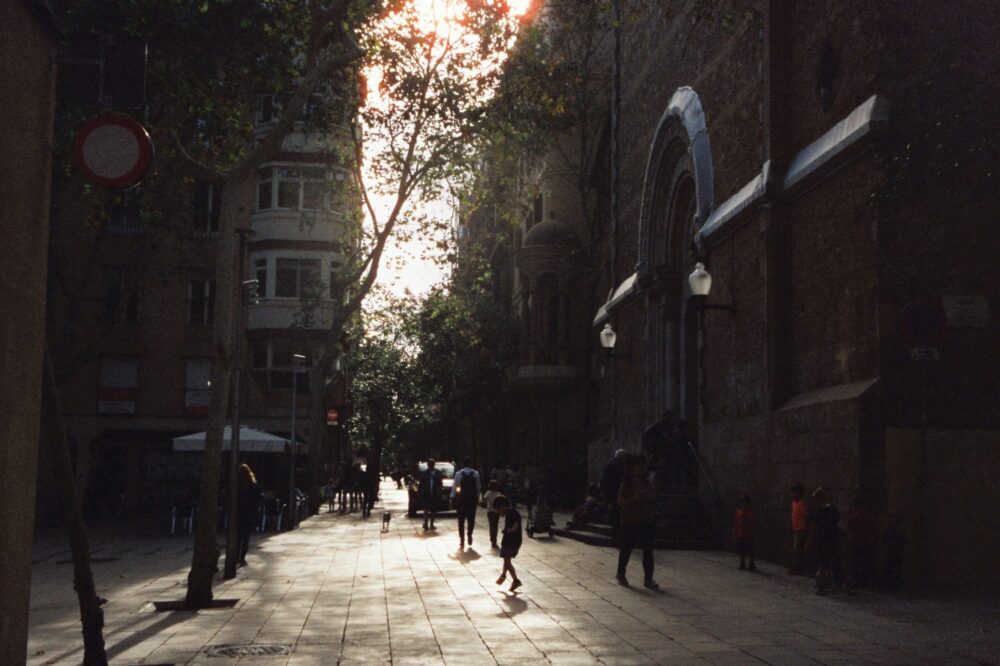
Photo by Lawrence Krowdeed on Unsplash




I noticed the master’s tuition at public universities is much cheaper than private ones. Is the quality of education comparable?
Both public and private universities in Barcelona maintain high academic standards. Public universities like UB and UPF are well-ranked globally, while private ones often offer more specialized programs and smaller class sizes. It depends on your field and preferences.
I’m a non-EU student looking at public universities. Are there any scholarships available to help with the higher tuition?
Yes, many public universities offer scholarships for international students. For example, the University of Barcelona has merit-based grants. Also, the Catalan government and some foundations provide aid. Check each university’s financial aid page.
The article mentions ESADE’s undergraduate fees are €15,000–€18,000/year. Do private universities offer payment plans?
Most private universities offer installment plans, often splitting the annual fee into monthly or quarterly payments. Contact the admissions office for specific options—they’re usually flexible.
I’m an EU student considering a master’s at a public university. Is the €27.67 per credit rate for all master’s programs, or are there exceptions?
The €27.67 per credit applies to most master’s programs. However, specialized master’s like MBAs or certain engineering programs may charge €50–€70 per credit. It’s best to verify with the university.
The article mentions that non-EU undergraduate fees are €2,500–€6,000 per year. Are these fees fixed, or can they vary by program?
Great question! The range given is for most programs, but high-demand degrees like Medicine or Engineering can go up to €8,000 per year for non-EU students. Always check the specific program page for exact fees.
The article says private undergraduate fees range from €8,000 to €18,000. Does that include all costs, or are there additional fees?
That range covers tuition only. Additional costs like registration fees, materials, and health insurance can add €1,000–€2,000 per year. Always check the total cost breakdown from the university.
For EU students, the undergraduate fees seem very low (€1,000–€2,500). Is that really the full annual cost?
Yes, that’s the full tuition for up to 60 ECTS credits per year. EU students benefit from subsidies, making public universities in Barcelona very affordable compared to other European cities.
Do PhD tuition fees remain the same for all three years, or do they increase?
PhD fees are typically around €500–€1,000 per year for the first three years (research period). After that, they drop to just administrative fees, which are much lower.