
Table des matières:
Why Lyon Deserves a Spot on Your Travel List
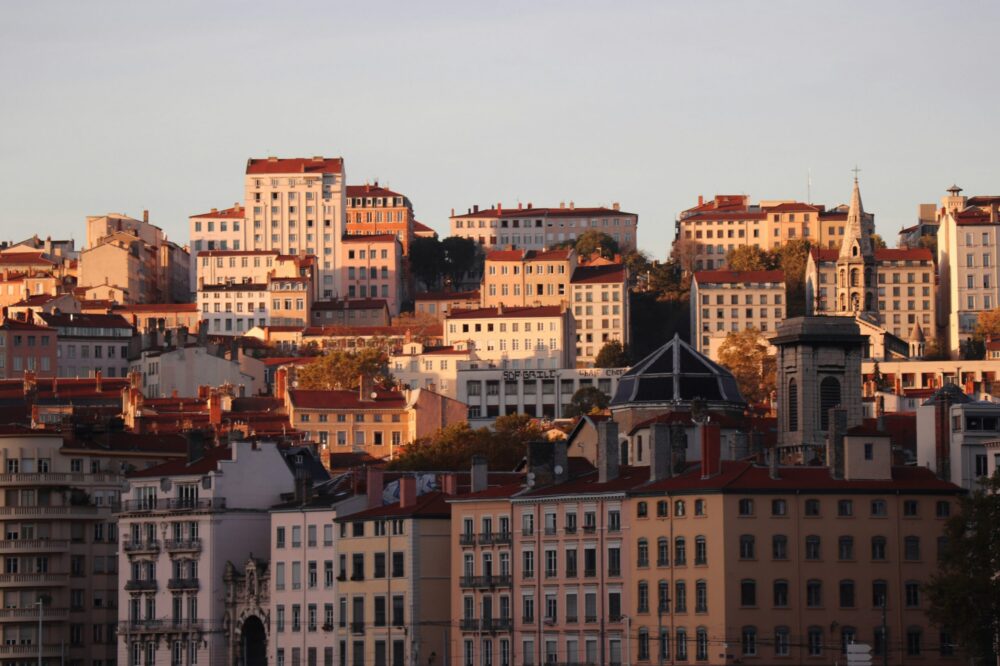
As France’s third-largest city, Lyon often flies under the radar compared to Paris. Yet it boasts two UNESCO World Heritage sites, a renowned gastronomic scene, and a unique blend of Roman history and Renaissance architecture. Whether you’re a history buff, a foodie, or an art lover, the must-see attractions in Lyon will keep you busy for days. This guide covers the top sights, practical tips, and insider advice to help you make the most of your trip.
Vieux Lyon (Old Lyon): A Journey Back in Time
Vieux Lyon is one of the best-preserved Renaissance neighborhoods in Europe. Its cobblestone streets, pastel-colored buildings, and hidden passageways known as traboules make it a top must-see attraction in Lyon. The area is divided into three districts: Saint-Jean, Saint-Paul, and Saint-Georges.
The Traboules: Secret Passages of Lyon
Traboules are covered walkways that connect buildings and courtyards, originally used by silk workers to transport fabrics. Today, many are open to the public. Key traboules to explore include those on Rue du Bœuf and Rue Saint-Jean. Look for the green plaques indicating public access.
Saint-Jean Cathedral and Old Town Highlights
The Cathédrale Saint-Jean-Baptiste is a Gothic masterpiece with a stunning astronomical clock dating from the 14th century. Nearby, you’ll find the Musée Gadagne, which houses the history of Lyon and a puppet museum. Don’t miss the vibrant Rue de la Bombarde, lined with bouchons (traditional Lyonnaise restaurants).
Basilique Notre-Dame de Fourvière: The City’s Crown
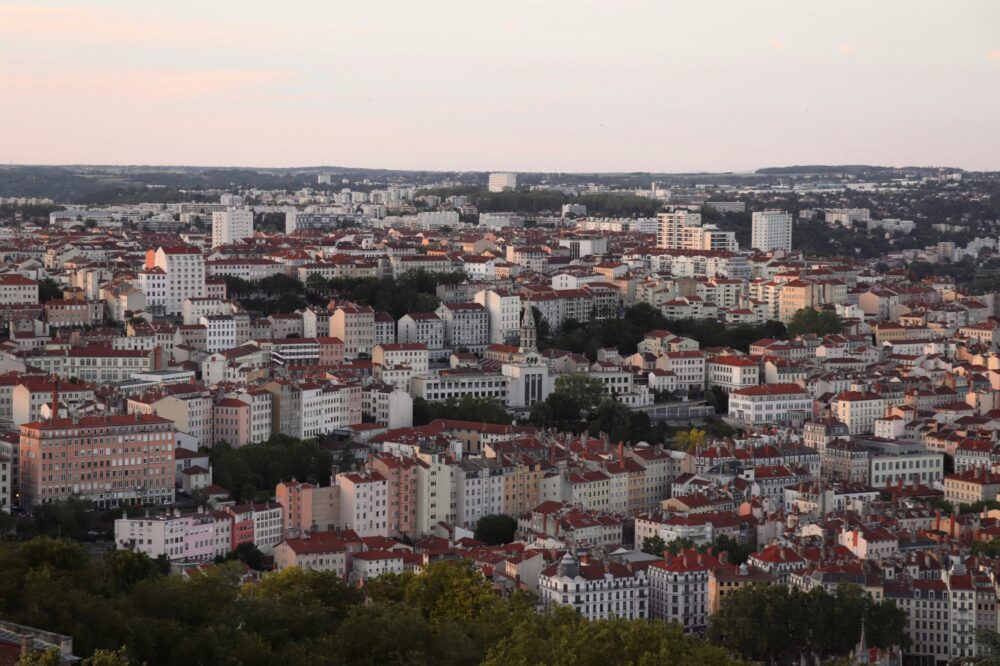
Perched atop Fourvière Hill, this basilica offers panoramic views of Lyon. Built between 1872 and 1884, it features a mix of Byzantine and Romanesque styles. The interior is adorned with intricate mosaics and marble. Take the funicular from Vieux Lyon to reach the top. The adjacent Parc des Hauteurs provides a peaceful garden setting.
Fourvière Hill: More Than Just a Basilica
This hill is also home to the Roman amphitheaters (Théâtre Romain de Fourvière), which host summer concerts. The Musée Lugdunum traces Lyon’s Roman history with artifacts from the ancient city of Lugdunum. A combined ticket is available.
Presqu’île: The Heart of Modern Lyon
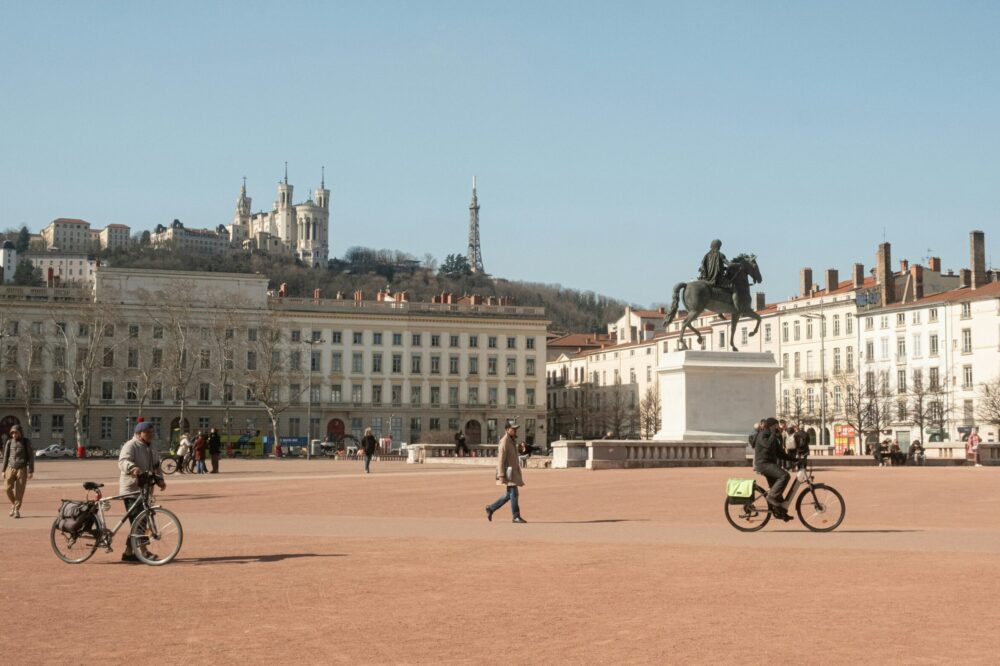
The Presqu’île is the peninsula between the Rhône and Saône rivers, known for its shopping, nightlife, and grand squares. Place Bellecour, one of Europe’s largest pedestrian squares, features a statue of Louis XIV. Nearby, Rue de la République is a major shopping street.
Hôtel de Ville and Opéra de Lyon
The Hôtel de Ville (City Hall) on Place des Terreaux is a striking 17th-century building. Across the square, the Musée des Beaux-Arts houses an impressive collection from ancient to modern art. The Opéra de Lyon, with its modern glass roof, offers guided tours and performances.
La Croix-Rousse: The Silk Weavers’ District
Once the center of Lyon’s silk industry, La Croix-Rousse is a bohemian neighborhood with a village feel. Its steep streets and traboules are less touristy than Vieux Lyon. Visit the Maison des Canuts to learn about silk weaving, and explore the vibrant market on Boulevard de la Croix-Rousse.
Parc de la Tête d’Or: A Green Oasis
This 117-hectare park is one of France’s largest urban parks. It features a lake, botanical garden, zoo, and rose garden. Rent a rowboat, jog the trails, or visit the free zoo with lions, giraffes, and zebras. It’s perfect for a relaxing afternoon.
Gastronomic Experiences: A Must for Food Lovers
Lyon is the gastronomic capital of France. The must-see attractions in Lyon extend to its food markets and bouchons. Les Halles de Lyon Paul Bocuse is a covered market named after the legendary chef. Sample local cheeses, charcuterie, and praline tarts. For a traditional meal, book a table at a bouchon like Chez Hugon or Le Garet.
Bouchons: The Soul of Lyonnaise Cuisine
Bouchons are family-run restaurants serving hearty dishes like quenelles (fish dumplings), andouillette (sausage), and tablier de sapeur (fried tripe). Pair your meal with a local Côtes du Rhône wine.
Practical Tips for Visiting Lyon
- Best time to visit: Spring (April-June) and fall (September-October) for mild weather and fewer crowds.
- Getting around: The metro, tram, and bus network is efficient. Consider a Lyon City Card for free access to museums and transport.
- Language: French is the main language, but English is widely spoken in tourist areas.
- Safety: Lyon is generally safe, but watch for pickpockets in crowded areas like Vieux Lyon and public transport.
Checklist for Your Lyon Itinerary
| Attraction | Time Needed | Tip |
|---|---|---|
| Vieux Lyon & Traboules | 2-3 hours | Visit early morning to avoid crowds |
| Basilique Notre-Dame de Fourvière | 1-2 hours | Take the funicular for great views |
| Presqu’île & Place Bellecour | 1-2 hours | Combine with shopping on Rue de la République |
| La Croix-Rousse | 2 hours | Explore the traboules and market |
| Parc de la Tête d’Or | 2-3 hours | Pack a picnic or visit the zoo |
| Les Halles de Lyon Paul Bocuse | 1-2 hours | Go hungry and try the praline tart |
Frequently Asked Questions About Lyon Attractions
How many days do you need in Lyon?
Three days is ideal to see the main must-see attractions in Lyon without rushing. You can cover Vieux Lyon, Fourvière, Presqu’île, and La Croix-Rousse in two days, but add a third for Parc de la Tête d’Or and a food market.
Are the traboules free to visit?
Yes, many traboules are free and open to the public. Look for green plaques indicating public access. Some private courtyards may be locked.
What is the best area to stay in Lyon?
Vieux Lyon is charming but touristy. Presqu’île offers central location and nightlife. La Croix-Rousse is quieter and more local. For luxury, consider the Fourvière area.
Can you visit Lyon on a budget?
Yes. Many attractions like traboules, Parc de la Tête d’Or, and Place Bellecour are free. Use the Lyon City Card for discounts, and eat at bouchons for affordable traditional meals.
What is the best way to get from the airport to the city?
The Rhônexpress tram takes 30 minutes from Lyon-Saint Exupéry Airport to Part-Dieu station. Taxis and ride-sharing are also available but more expensive.
Is Lyon safe for solo travelers?
Yes, Lyon is very safe. Exercise normal precautions in crowded areas and at night. The city is walkable and well-lit.
Your Next Steps: Plan Your Lyon Adventure
Now that you know the must-see attractions in Lyon, it’s time to start planning. Book accommodation in advance, especially during peak seasons. Create a flexible itinerary that mixes sightseeing with food breaks. Don’t forget comfortable shoes for all the walking. Lyon’s charm lies in its layers—from Roman ruins to Renaissance alleys and modern boulevards. Whether you’re savoring a quenelle in a bouchon or gazing at the city from Fourvière, Lyon will leave you with lasting memories. Start your journey today and experience one of France’s most captivating cities.
Great article! I’m planning a trip to Lyon and was wondering: how much time should I budget to see the main attractions like Vieux Lyon and Fourvière Hill?
Thanks! For a solid overview of the must-see attractions, I’d recommend at least two full days. Day one can cover Vieux Lyon, the traboules, and Saint-Jean Cathedral. Day two can focus on Fourvière Hill (including the basilica and Roman theaters) and the Presqu’île. If you have a third day, explore La Croix-Rousse.
Are the traboules easy to find? I’ve read some are closed to the public. Any tips for accessing them?
Yes, many traboules are open and marked with green plaques. Start on Rue du Bœuf and Rue Saint-Jean in Vieux Lyon. Some are in private courtyards, but the public ones are well-signposted. A good resource is the official Lyon tourism map, which highlights accessible traboules. Also, early morning or late afternoon are quieter times to explore.