

Table des matières:
Why Biking in Paris Is a Smart Student Move
Paris can be expensive, but getting around doesn’t have to be. As a student, owning or accessing a bike can save you hundreds of euros per year on metro tickets. Plus, you avoid crowded trains, strike disruptions, and get exercise. This guide covers every practical option for getting a bike in Paris as a student—from short-term rentals to buying your own.
Option 1: Vélib’ Métropole – The City Bike Service
Vélib’ is Paris’s public bike-sharing system. It’s ideal for students because it’s flexible and cheap. Stations are everywhere—over 1,400 across Paris and suburbs.
How It Works
You pick up a bike at any station and return it to another. Bikes are either classic (mechanical) or electric. The system operates 24/7.
Student Pricing
Vélib’ offers a reduced-rate subscription for students under 26. The annual subscription costs around €37.50 (as of 2025) for mechanical bikes. Electric bikes cost extra per ride. First 30 minutes of each trip are free; after that, you pay per extra half-hour. This is perfect for short commutes.
How to Subscribe
- Go to the Vélib’ website or app.
- Choose the “Liberté” or “Pass” plan. For students, the “Pass” plan with annual commitment is cheapest.
- Upload proof of student status (student ID or certificate).
- Pay online and receive your pass card or use the app.
Pros and Cons of Vélib’
| Pros | Cons |
|---|---|
| No maintenance or storage worries | Bikes can be heavy and worn |
| Easy one-way trips | Must return to a station every 30 min to avoid extra fees |
| Very affordable for short rides | Not ideal for long daily commutes |
| Electric bikes available | Electric bikes cost €1 per 30 min extra |
Option 2: Buying a Used Bike
If you need a bike for daily long commutes or prefer owning your ride, buying used is the most cost-effective. You can find decent bikes for €50–€150.
Where to Find Used Bikes
- Leboncoin – France’s #1 classifieds. Search for “vélo” and filter by price and location. Meet in person to test ride.
- Facebook Marketplace – Many student groups sell bikes. Search “Paris student bike” or join expat groups.
- Garage sales (vide-greniers) – Held on weekends in many neighborhoods. Great for bargains.
- University bulletin boards – Crous residences often have ads from departing students.
What to Check Before Buying
- Frame size: Your feet should touch the ground when seated.
- Brakes and gears: Test them. Replacing cables costs €20–€40.
- Tires: Check for cracks or worn tread. New tires cost €15–€30 each.
- Chain and cassette: A rusty chain means more wear. A new chain is cheap, but cassette replacement is €30+.
- Lights and reflectors: Mandatory in Paris. If missing, budget €15 for a set.
Average Used Bike Prices in Paris
| Type | Price Range |
|---|---|
| City bike (single speed) | €50–€100 |
| Hybrid (3–7 gears) | €80–€150 |
| Road bike (older model) | €100–€200 |
| Electric bike (used) | €500–€800 |
Option 3: Leasing a Bike (Véligo)
Véligo is a long-term bike rental service operated by the Paris region. It’s designed for commuters and students. You lease a bike for a monthly fee, and maintenance is included.
How Véligo Works
You choose a mechanical or electric bike. The contract is typically for a year, but you can return early with a fee. Monthly cost for a mechanical bike is about €10–€15; electric is €30–€40. The bike is yours to keep, and you can park it anywhere (no docking station needed).
Eligibility and Application
You need a Navigo pass or proof of residence in Île-de-France. Students can apply online. The bike is delivered to your home or a nearby Véligo point.
Pros and Cons of Véligo
- Pro: Maintenance and theft insurance included.
- Pro: Same bike every day, no hunting for stations.
- Con: Monthly fee adds up over time (€120–€180/year for mechanical).
- Con: Not as flexible as Vélib’ for one-way trips.
Option 4: Buying a New Cheap Bike
If you want a brand-new bike without breaking the bank, consider entry-level models from Decathlon. Their B’Twin range starts at €199 for a basic city bike. It’s reliable and comes with a warranty. However, for a student budget, used is usually better value.
Essential Accessories and Safety
Paris has bike lanes, but theft is high. You must invest in a good lock. A U-lock (like Kryptonite) costs €30–€50. Also get lights (front and rear), a bell (mandatory), and a helmet (recommended but not mandatory). Consider a basket or pannier for groceries.
Student Discounts and Subsidies
Some universities and the CROUS offer bike subsidies. For example, the Paris City Hall sometimes provides up to €100 for buying a bike if you scrap your car. Check with your school’s student services or the mairie (city hall) of your arrondissement. Also, the Île-de-France region occasionally runs promotions for Véligo subscriptions.
Maintenance and Repair Tips for Students
Learning basic repairs saves money. Many bike shops offer free workshops. Look for ateliers vélo participatifs (community bike workshops) like La Cyclerie or Atelier Solidaire. They let you use tools and get guidance for a small fee (€2–€5 per hour). Common fixes you can do yourself:
- Fixing a flat tire (patch kit €5)
- Adjusting brakes (Allen key set €10)
- Lubricating chain (oil €5)
- Replacing brake pads (€10–€20)
Common Mistakes to Avoid
- Using a cheap cable lock: In Paris, thieves cut them in seconds. Always use a U-lock.
- Not registering your bike: France has a national bike registry (Bicycode). Engrave your bike and register online. It helps recover if stolen.
- Ignoring parking rules: Don’t lock your bike to trees or railings—it may be impounded. Use designated bike racks.
- Overlooking insurance: Home insurance often covers bike theft, but check your policy. If not, consider specific bike insurance (€30–€60/year).
Comparing All Options: Which Is Best for You?
| Option | Best For | Monthly Cost (approx.) |
|---|---|---|
| Vélib’ (student pass) | Short, occasional trips | €3.13 (annual/12) |
| Used bike | Daily commuting, long-term | €5–€15 (amortized) |
| Véligo mechanical | Reliable all-in-one lease | €10–€15 |
| New cheap bike | Warranty and no maintenance | €17–€25 (amortized) |
Frequently Asked Questions
Do I need a helmet in Paris?
No, it’s not mandatory for adults, but it’s recommended. Many students wear them for safety, especially at night.
Can I use Vélib’ without a subscription?
Yes, you can buy single tickets (€1 for 30 min) or day passes (€5). But the student annual pass is much cheaper if you ride more than once a week.
How do I avoid bike theft?
Use a U-lock, lock your bike to a fixed object, remove the front wheel if possible, and park in well-lit areas. Register your bike on Bicycode.
Is it safe to bike in Paris?
Yes, but be cautious. Stick to bike lanes (pistes cyclables), obey traffic lights, and watch for opening car doors. Paris has improved cycling infrastructure significantly.
Can I take my bike on the metro or RER?
Folding bikes are allowed anytime. Regular bikes are allowed on RER trains but prohibited on metro lines during peak hours (6:30–9:30 and 16:30–19:30).
Where can I get my bike repaired cheaply?
Visit a community workshop like La Cyclerie or Solidaroule. They offer low-cost repairs and DIY assistance. Some also sell refurbished bikes.
Final Recommendations for Students
Start with Vélib’ to see if cycling suits you. If you ride daily, buy a used bike from Leboncoin or a student group. Invest in a good lock and basic repair skills. Check for subsidies from your university or city hall. With the right approach, getting a bike in Paris as a student is straightforward and saves you money while giving you freedom to explore the city.
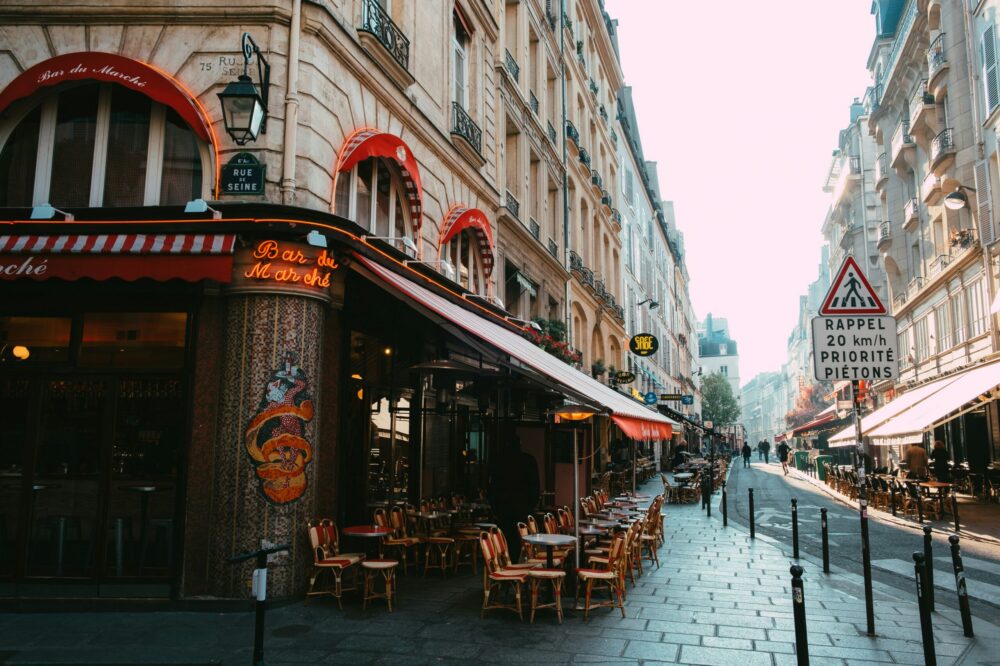
Photo by Elena Jiang on Unsplash
For buying used, do you recommend checking the bike’s serial number to see if it’s stolen?
Absolutely. In France, bikes can be registered with a Bicycode or similar. Ask the seller for the serial number (usually under the bottom bracket) and check it on sites like bicycode.org. Also, if the price is too good to be true, it might be stolen.
Great article! I’m worried about bike theft in Paris. If I buy a used bike, what’s the best lock to get?
Good question. For Paris, invest in a sturdy U-lock (like Kryptonite or Abus) rather than a cable lock. Always lock the frame and front wheel to a fixed object. Some students also use a secondary cable for the rear wheel. It’s worth spending €30–€50 on a quality lock.
Thanks for the tips! I’ll try Leboncoin. Any advice on negotiating price with sellers?
You’re welcome! When negotiating, point out any wear like rust or worn tires, and mention that you’re a student on a budget. Cash in hand can help. Typically you can ask for 10–20% off the asking price, but be polite and realistic.
I live in the suburbs (92). Are there Vélib’ stations out here too?
Yes, Vélib’ covers many suburbs in the Paris metropolitan area, including the Hauts-de-Seine (92). However, coverage is denser inside Paris. Check the Vélib’ map on their website to see stations near your exact location. Some outer suburbs may have fewer stations.
Is the Vélib’ student subscription really only €37.50 per year? That seems incredibly cheap. Do you need a French bank account to sign up?
Yes, the student rate is about €37.50 per year for mechanical bikes. You can pay with a credit card (Visa, Mastercard) during sign-up, so a French bank account isn’t strictly required, but having one can make renewals easier. Just upload your student ID as proof.
I’m an international student and don’t speak French well. Can I use the Vélib’ app in English?
Yes, the Vélib’ app has an English language option. You can switch it in the settings. The website also supports English. So language shouldn’t be a barrier.
What about electric scooters? Are they a good alternative for students?
Electric scooters are an option, but they can be more expensive per ride than Vélib’ and often require a smartphone app. Also, they have limited range and you can’t lock them up like a bike. For regular commutes, a bike or Vélib’ is usually more practical and cheaper.