
Table des matières:
Why Safety Matters for Students in Paris
Paris is a dream destination for students from around the world, but like any major city, it has its share of safety challenges. Whether you’re studying abroad for a semester or pursuing a full degree, knowing how to stay safe in Paris as a student is crucial. This guide provides actionable tips to help you navigate the city confidently, avoid common pitfalls, and make the most of your time in the French capital.
Understanding Parisian Neighborhoods and Their Safety Levels
Paris is divided into 20 arrondissements (districts), each with its own character and safety profile. Here’s what every student should know:
Safest Arrondissements for Students
- 5th and 6th arrondissements (Latin Quarter and Saint-Germain): Home to many universities, these areas are bustling with students and generally safe day and night.
- 7th arrondissement (Eiffel Tower area): Quiet, upscale, and low crime, but more expensive.
- 4th arrondissement (Le Marais): Trendy and well-policed, popular among international students.
Areas to Approach with Caution
- 18th, 19th, and 20th arrondissements (Montmartre, Belleville, Ménilmontant): These have higher crime rates, especially at night. Stick to main streets and avoid isolated areas.
- Around Gare du Nord and Gare de l’Est: Major train stations attract pickpockets and scams. Be extra vigilant here.
Navigating Public Transport Safely
Paris’s metro, RER, buses, and trams are efficient but can be hotspots for theft. Follow these tips to stay safe:
Metro and RER Safety Tips
- Keep valuables hidden: Avoid pulling out your phone or wallet near doors. Pickpockets often strike during boarding.
- Use bags with zippers: Wear your backpack on your front in crowded trains. Keep your bag closed and secured.
- Avoid empty carriages at night: Sit near the driver or in well-lit areas. If a carriage feels unsafe, move to another.
- Watch for distraction techniques: Common scams include someone ‘accidentally’ spilling on you while an accomplice steals your belongings.
Buses and Night Buses (Noctilien)
Buses are generally safer than the metro at night because the driver can see passengers. However, stay alert on night buses (Noctilien) – sit near the driver and avoid sleeping.
Common Scams Targeting Students in Paris
Scammers often target tourists and students. Here are the most common ones to watch out for:
| Scam | How It Works | How to Avoid |
|---|---|---|
| Petition Scam | Someone asks you to sign a petition, then demands money or picks your pocket while you’re distracted. | Politely say no and keep walking. Don’t stop to engage. |
| Gold Ring Scam | A person finds a ‘gold’ ring, offers to sell it to you cheaply, but it’s fake. | Ignore and walk away. Never buy items from strangers on the street. |
| ATM Assistance Scam | Someone offers to help you with an ATM, then swaps your card or watches you enter your PIN. | Use ATMs inside banks or well-lit areas. Cover your PIN and refuse help. |
| Fake Charity Collectors | People pose as charity workers asking for donations, but pocket the money. | Only donate to recognized charities through official channels. |
Nightlife Safety: Enjoying Paris After Dark
Paris has a vibrant nightlife, but it’s important to stay safe when going out. Here are practical tips:
Before You Go Out
- Plan your route home: Know how you’ll get back – last metro is around 1:15 am on weekdays, 2:15 am on weekends. After that, use night buses or a licensed taxi.
- Let someone know your plans: Share your location with a friend or roommate.
- Charge your phone: Ensure you have enough battery for emergencies.
While Out
- Watch your drink: Never leave your drink unattended. Accept drinks only from bartenders or trusted friends.
- Stay with your group: Don’t wander off alone, especially if you’ve been drinking.
- Avoid dark streets: Stick to well-lit, busy areas when walking between venues.
Getting Home Safely
- Use licensed taxis or ride-sharing: Official taxis have a ‘Taxi Parisien’ sign on the roof. Uber and Bolt are reliable options. Check the license plate before getting in.
- Never accept rides from unmarked cars: Even if they claim to be a taxi.
Emergency Numbers and Resources Every Student Should Know
Save these numbers in your phone as soon as you arrive:
- Police (emergency): 17
- Ambulance (SAMU): 15
- Fire Brigade: 18
- European emergency number: 112 (works from any mobile phone)
- English-speaking helpline for victims of crime: 08 05 80 33 33 (free, 9am-7pm)
- Your embassy’s consular services: Register with your embassy for updates and assistance.
Practical Safety Checklist for Students in Paris
Use this checklist to ensure you’re prepared:
- ☐ Register with your embassy or consulate.
- ☐ Save emergency numbers in your phone.
- ☐ Make copies of your passport and visa (keep digital copies too).
- ☐ Get a local SIM card or international plan for reliable communication.
- ☐ Learn basic French phrases for emergencies (e.g., “Aidez-moi!” – Help me!).
- ☐ Identify the nearest police station (Commissariat) to your accommodation.
- ☐ Download a safety app like “ICI” or “Urgence Police” (available in French).
- ☐ Avoid carrying large sums of cash. Use contactless payments.
- ☐ Keep your student ID and a small amount of cash separate from your wallet.
- ☐ Know your neighborhood’s safe routes and well-lit streets.
What to Do If You Feel Unsafe or Become a Victim
Even with precautions, incidents can happen. Here’s how to respond:
If You Feel Unsafe in a Situation
- Trust your instincts: Leave immediately if something feels off.
- Enter a nearby shop, café, or restaurant: Ask for help or wait until the threat passes.
- Call a friend or the police: Use 17 for immediate danger.
If You Are Robbed or Assaulted
- Stay calm: Do not resist if the attacker has a weapon. Your safety is more important than belongings.
- Call the police (17) immediately: Provide your location and a description of the attacker.
- Go to a hospital if injured: Call 15 for an ambulance.
- Report the crime at the nearest police station: You’ll need a copy of the report for insurance and visa purposes.
- Contact your embassy: They can provide support, replacement documents, and advice.
Digital Safety: Protecting Yourself Online
Being safe in Paris isn’t just about physical safety. Cybersecurity is also important for students:
- Use a VPN on public Wi-Fi: Cafés, libraries, and university networks can be insecure. A VPN encrypts your data.
- Avoid accessing banking apps on public networks: Use mobile data instead.
- Beware of phishing scams: Don’t click on links in emails claiming to be from your bank or university without verifying.
- Set up two-factor authentication on your email and social media accounts.
Building a Support Network
Feeling connected reduces vulnerability. Here’s how to build your safety net:
- Join student groups: Many universities have international student associations that organize events and share safety tips.
- Connect with neighbors: Introduce yourself to your building’s concierge or neighbors – they can be helpful in emergencies.
- Use campus security services: Many universities offer evening escorts or safety shuttles. Check if yours does.
- Stay informed: Follow local news and official social media accounts for safety alerts.
Your Next Steps for a Safe Study Abroad Experience
Staying safe in Paris as a student is about preparation, awareness, and smart choices. Start by memorizing emergency numbers and exploring your neighborhood in daylight. Use the checklist above to set up your safety routine. Remember, most Parisians are friendly and helpful – don’t let fear stop you from enjoying the city. With these tips, you can focus on your studies and create unforgettable memories in one of the world’s most beautiful capitals.
Frequently Asked Questions
Is Paris safe for international students?
Yes, Paris is generally safe for students, but like any large city, it requires vigilance. Most student areas are well-policed, and violent crime is rare. Petty crime like pickpocketing is more common, so take precautions.
What are the most dangerous areas in Paris for students?
Areas around Gare du Nord, Gare de l’Est, and parts of the 18th, 19th, and 20th arrondissements have higher crime rates, especially at night. Stick to main streets and avoid isolated areas.
Can I walk alone at night in Paris?
It’s best to avoid walking alone late at night, especially in poorly lit areas. If you must, stay in busy, well-lit streets and use ride-sharing or taxis for longer distances.
What should I do if my phone is stolen in Paris?
Immediately call your provider to block the SIM, then report the theft to the police (call 17 or visit a station). You’ll need a police report for insurance. Also, remotely wipe your phone if possible.
How can I avoid pickpockets in Paris?
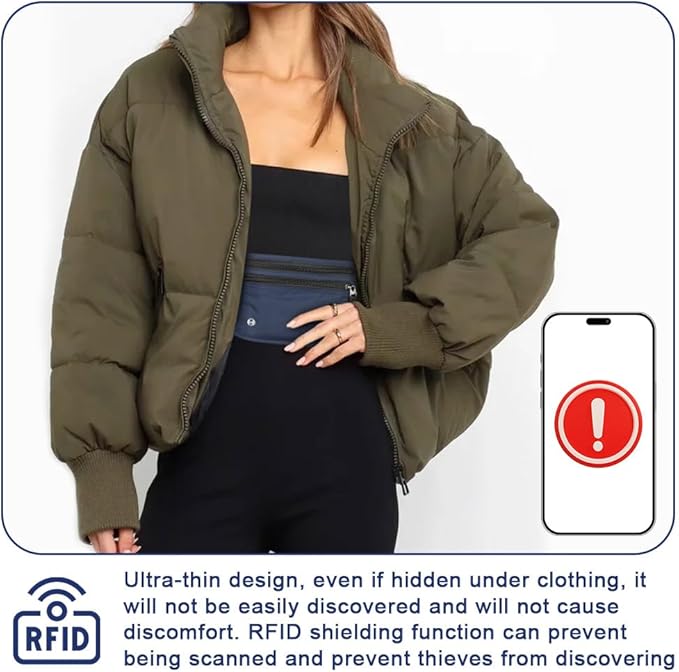
Keep valuables out of sight, use anti-theft bags, avoid crowded areas like metro doors, and be aware of distraction techniques. Don’t keep your phone in your back pocket.
Are there any safety apps recommended for students in Paris?
Yes, consider downloading “ICI” (a French safety app), “Urgence Police,” and your embassy’s app. Also, Google Maps can share your location with friends.
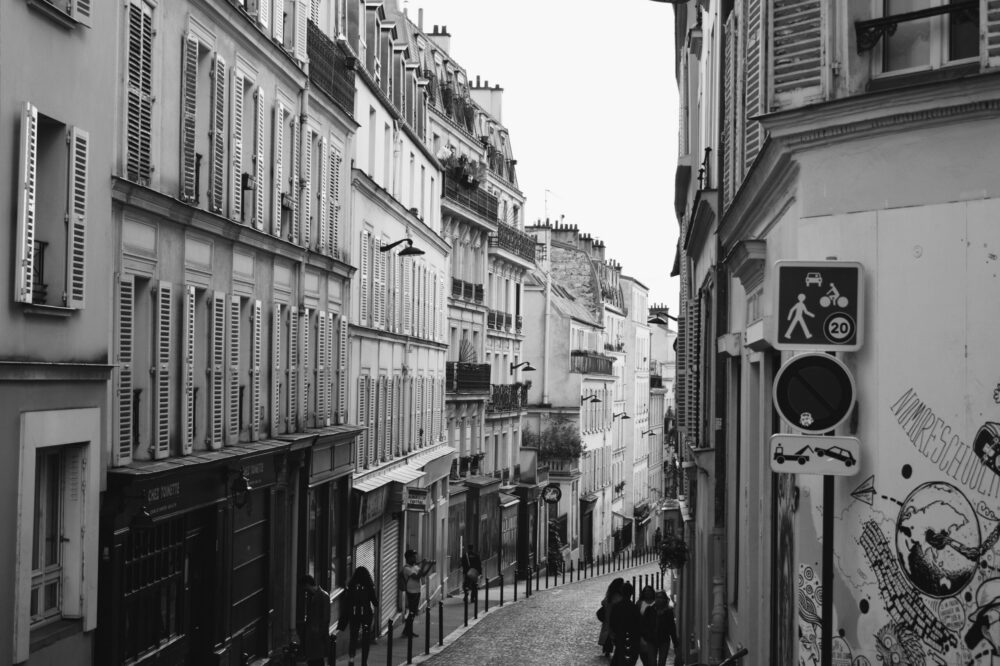
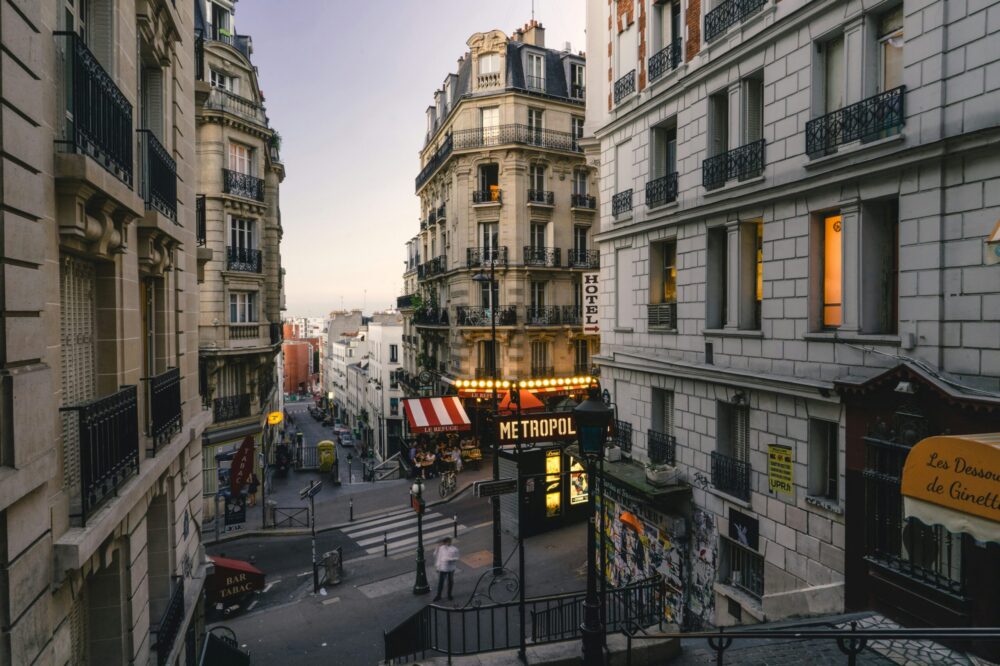
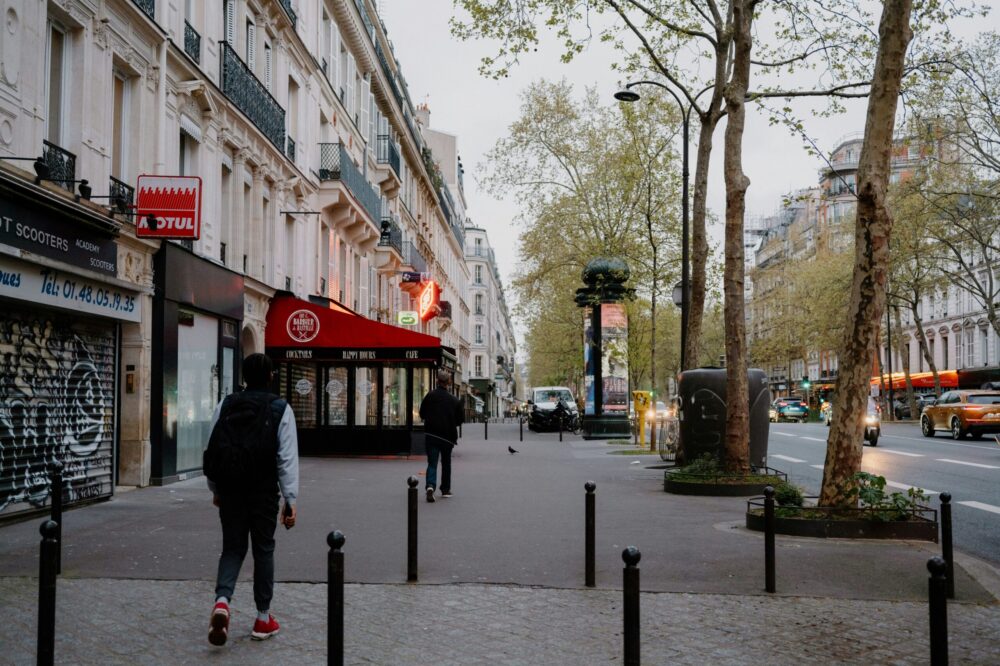
Photo by Caleb Maxwell on Unsplash
Useful advice! I’d add that keeping a photocopy of your passport and visa in a separate place is a good backup if things get stolen. Also, registering with your embassy can help in emergencies.
Absolutely, great tips! Keeping digital copies in your email or cloud storage is also smart. Registering with the embassy (like the US STEP program) is highly recommended. Thanks for sharing!
Great article! I’m planning to study in Paris next semester. One thing I’m worried about is using the metro late at night after evening classes. Are there any specific lines or stations that are particularly unsafe after dark?
Thank you! Generally, avoid empty carriages and stick to well-lit areas. Lines 1 and 14 are fully automated and have security cameras, making them safer. Stations like Châtelet-Les Halles and Gare du Nord can be sketchy late at night. Always sit near the driver or in busy carriages.
I’ve heard about the petition scam before. What’s the best way to say no without being rude? I don’t want to offend anyone.
A simple, firm ‘Non, merci’ while continuing to walk works best. You don’t need to explain yourself. Most scammers will move on quickly if you don’t engage. Remember, your safety matters more than being polite to strangers.
Thanks for the neighborhood tips. I’m looking at apartments in the 18th near Montmartre. Is it safe enough for a female student if I stick to the main streets?
Montmartre itself is touristy and generally safe during the day, but be cautious at night. Stick to well-lit streets like Rue des Abbesses and avoid side alleys. The area around Sacré-Cœur can be crowded with pickpockets. Consider living closer to the metro for easy access home.