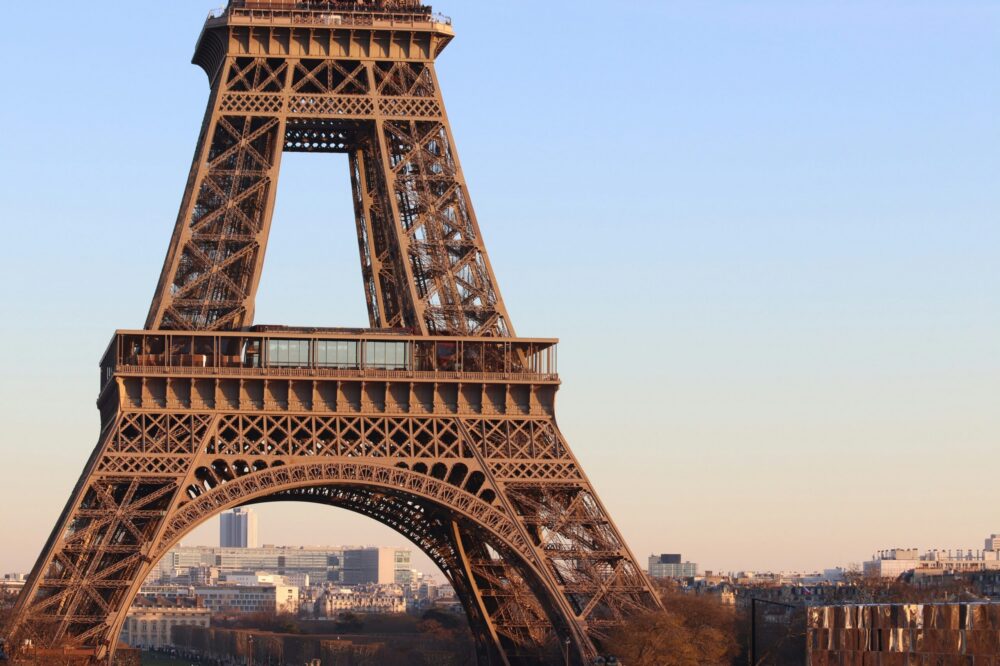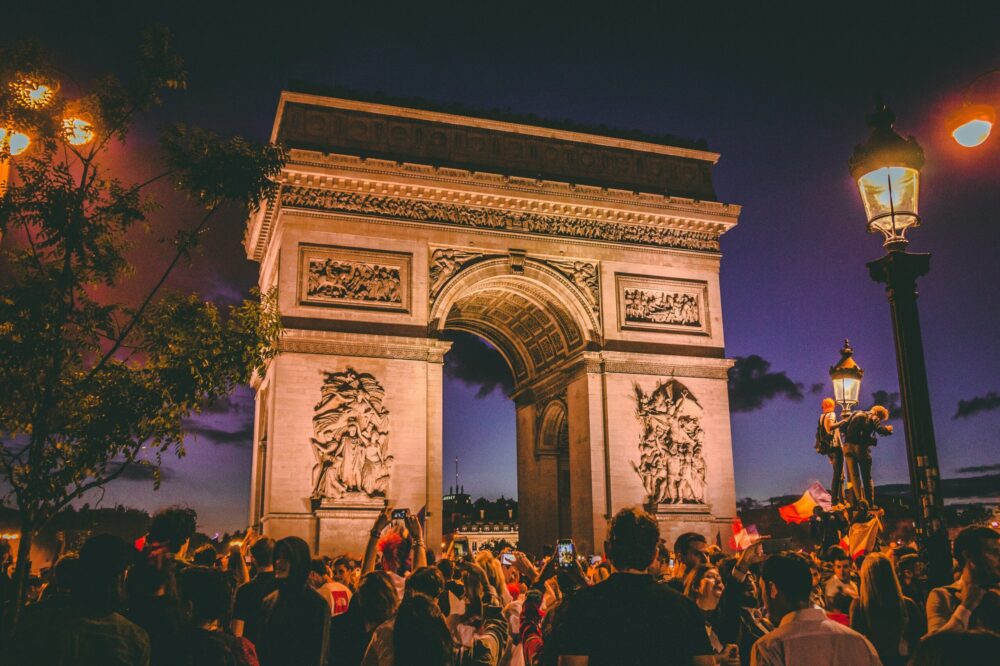
Dreaming of exploring France’s iconic landmarks, savoring its cuisine, and soaking in its culture without breaking the bank? With careful planning, a budget-friendly trip to France in 2026 is entirely achievable. Whether you’re drawn to Parisian boulevards, Provençal lavender fields, or Alpine villages, this guide provides actionable strategies to maximize your experience while minimizing costs. From timing your visit to leveraging local insights, we’ll cover everything you need to know to make your French adventure both memorable and affordable.
Table des matières:
Why Plan Ahead for a 2026 Trip to France?
Planning a trip well in advance, especially for 2026, offers significant advantages for budget-conscious travelers. Early preparation allows you to capitalize on lower prices for flights and accommodations, avoid peak-season surges, and research emerging deals. France remains a popular destination, and securing bookings ahead of time can lead to substantial savings. By starting now, you can craft a detailed itinerary that balances cost with quality, ensuring your budget-friendly trip to France in 2026 is both enjoyable and financially smart.
Setting Your Budget for France in 2026
Before diving into specifics, establish a clear budget. Consider all potential expenses to avoid surprises. A realistic daily budget for a budget-friendly trip to France in 2026 might range from €80 to €150 per person, depending on your travel style. Break it down into key categories:
- Transportation: Flights, trains, buses, and local transit.
- Accommodation: Hostels, budget hotels, or vacation rentals.
- Food and Drink: Meals, snacks, and beverages.
- Activities: Museum entries, tours, and entertainment.
- Miscellaneous: Souvenirs, insurance, and emergency funds.
Use budgeting apps or spreadsheets to track expenses as you plan. This proactive approach ensures you stay on track financially.
Finding Affordable Flights to France in 2026
Airfare often represents the largest upfront cost. To secure cheap flights for your budget-friendly trip to France in 2026, follow these tips:
Book Early and Be Flexible
Airlines typically release tickets 6 to 12 months in advance. Set fare alerts on platforms like Google Flights or Skyscanner to monitor prices. Flexibility with travel dates, such as flying mid-week or during shoulder seasons, can lead to discounts of 20% or more.
Consider Alternative Airports
Major hubs like Paris Charles de Gaulle (CDG) may have higher fares. Look into flying into smaller airports, such as Paris Orly (ORY) or regional airports in cities like Lyon or Nice. Sometimes, arriving in a neighboring country and taking a budget train or bus to France can be cheaper.
Use Reward Points and Deals
Sign up for airline newsletters and loyalty programs to access exclusive promotions. Credit card rewards can also offset costs. Keep an eye on sales events, like Black Friday or January sales, which often feature travel discounts.
Budget Accommodation Options in France
Accommodation costs can vary widely, but there are plenty of affordable choices for a budget-friendly trip to France in 2026.
Hostels and Guesthouses
Hostels are a cost-effective option, especially in cities. Many offer private rooms for added comfort. Guesthouses (chambres d’hôtes) in rural areas provide a local experience at reasonable prices. Book early via sites like Hostelworld or Booking.com to secure the best rates.
Vacation Rentals and Apartments
Platforms like Airbnb or Vrbo offer apartments or homes, ideal for groups or longer stays. They often include kitchen facilities, helping you save on meals. Look for properties outside tourist centers for better deals.
Budget Hotels and Camping
Chain hotels, such as Ibis or Première Classe, provide reliable, no-frills lodging. For outdoor enthusiasts, camping in France’s well-maintained sites is an affordable alternative, particularly in summer.
Saving on Transportation Within France
Getting around France doesn’t have to be expensive. With some planning, you can navigate the country efficiently on a budget.
Utilize Public Transit
France’s public transportation network is extensive and cost-effective. In cities, use metro, bus, or tram systems with multi-day passes for savings. For intercity travel, consider these options:
- Trains: Book TGV (high-speed train) tickets in advance for discounts. Regional trains (TER) are cheaper and scenic.
- Buses: Companies like FlixBus or BlaBlaCar Bus offer low fares between cities.
- Ridesharing: Services like BlaBlaCar connect drivers with passengers for shared rides at reduced costs.
Walk or Bike
Many French cities are pedestrian-friendly. Walking or renting a bike (often available through city programs) is free or inexpensive and allows you to explore at your own pace.
Eating Well on a Budget in France
French cuisine is a highlight, but dining out can add up. Here’s how to enjoy delicious meals without overspending during your budget-friendly trip to France in 2026.
Shop at Local Markets
Visit farmers’ markets (marchés) for fresh, affordable produce, cheese, and bread. Picnicking in parks or along riversides is a quintessential French experience that saves money.
Opt for Lunch Menus
Many restaurants offer fixed-price lunch menus (menu du jour) that are significantly cheaper than dinner. These often include a starter, main course, and dessert.
Cook Your Own Meals
If your accommodation has a kitchen, prepare simple meals with local ingredients. Supermarkets like Carrefour or Monoprix offer budget-friendly options.
Avoid Tourist Traps
Steer clear of restaurants near major attractions. Venture into residential neighborhoods for authentic, reasonably priced eateries favored by locals.
Affordable Activities and Sightseeing
Experiencing France’s culture and landmarks doesn’t require a hefty budget. With smart planning, you can enjoy rich experiences affordably.
Free and Low-Cost Attractions
Many museums and sites offer free entry on the first Sunday of the month or for certain demographics (e.g., students). Examples include:
- Paris: Museums like the Louvre (free for under-18s and EU residents under 26).
- Countryside: Hiking trails, public gardens, and historic villages often have no entrance fees.
City Passes and Discount Cards
Consider city passes, such as the Paris Pass or Lyon City Card, which bundle attractions and transit at a reduced rate. Calculate if they align with your itinerary to ensure value.
Explore Off the Beaten Path
Beyond Paris, regions like Alsace, Brittany, or the Dordogne offer stunning scenery and lower costs. Research lesser-known destinations for unique, budget-friendly experiences.
Money-Saving Tips for Your 2026 Trip
Incorporate these additional strategies to stretch your budget further:
- Travel Insurance: Compare policies to find affordable coverage that protects against unforeseen events.
- Currency Exchange: Use no-fee credit cards or withdraw cash from ATMs with favorable rates to avoid high fees.
- Communication: Purchase a local SIM card or use free Wi-Fi in cafes to save on data costs.
- Seasonal Considerations: Visit during shoulder seasons (spring or fall) for milder weather, fewer crowds, and lower prices.
Conclusion: Making Your Dream Trip a Reality
Planning a budget-friendly trip to France in 2026 is entirely feasible with foresight and resourcefulness. By booking early, choosing cost-effective accommodations and transportation, savoring local food wisely, and seeking out affordable activities, you can immerse yourself in France’s charm without financial stress. Start your preparations now to unlock the best deals and create an itinerary that balances savings with unforgettable experiences. With these tips, your journey to France will be as enriching as it is economical, proving that adventure and affordability can go hand in hand.
Photo by Anthony DELANOIX on Unsplash