

Table des matières:
Understanding the Thesis Defense Process in Toulouse
Defending a thesis at a Toulouse university—whether at Université Toulouse Capitole, Université Toulouse III – Paul Sabatier, or Université Toulouse Jean Jaurès—follows a structured process governed by national regulations and local institutional rules. This guide walks you through each stage, from administrative preparations to the public defense and final submission. Whether you are a PhD candidate or a master’s student preparing a dissertation defense, understanding these steps will help you navigate the process smoothly.
Pre-Defense Requirements and Administrative Steps
Before you can schedule your defense, you must meet several prerequisites. These ensure your thesis is ready for evaluation and that the defense complies with university regulations.
Complete Your Research and Write the Thesis
Your thesis must be a substantial original contribution to your field. It should be written in the language required by your doctoral school (often French or English) and formatted according to the university’s guidelines. Most Toulouse universities require a summary in French if the thesis is in English.
Obtain the Pre-Defense Authorizations
You need approval from your thesis director and the doctoral school director. The key steps include:
- Final version submission: Submit a complete, proofread draft to your director at least two months before the planned defense.
- Director’s report: Your director writes a report confirming the thesis is ready for defense.
- Doctoral school validation: The doctoral school checks that all requirements are met (e.g., publications, training credits, language requirements).
- Jury proposal: Propose a list of jury members (usually 4-6 experts) for approval by the doctoral school and the university president.
Jury Composition and Invitations
The jury must include at least one external expert (from outside the university) and often one international member. The composition follows national regulations: at least half the members must be external to the host laboratory. Once approved, the doctoral school sends official invitations. You cannot contact jury members directly about the defense date.
Scheduling the Defense
After receiving all authorizations, you can set a date. The defense must be publicly announced at least four weeks in advance. The announcement includes the title, abstract, date, time, and location. Toulouse universities typically require the defense to be held within six months of the pre-defense authorization.
Public Announcement and Abstract
You must prepare a public abstract (résumé) in French and English. This is posted on the university’s website and often in the doctoral school’s newsletter. The abstract should be accessible to a non-specialist audience.
The Defense Day: Step by Step
The defense is a public event, usually lasting 2-4 hours, depending on the discipline. Here is the typical flow:
1. Opening by the Jury President
The jury president (appointed by the doctoral school) opens the session, introduces the jury members, and explains the procedure. The defense is public, so friends, family, and colleagues may attend.
2. Your Presentation (Exposé)
You present your thesis for 30-45 minutes. This is your chance to highlight the main contributions, methodology, results, and conclusions. Use slides or visual aids if desired. The presentation should be clear and engaging, tailored to an audience that includes specialists and non-specialists.
3. Questions from the Jury
Each jury member asks questions in turn. This is the core of the defense. Expect questions about your methodology, results, interpretations, and the broader impact of your work. The jury may also ask about limitations and future research. This session typically lasts 1-2 hours.
4. Deliberation
After the public Q&A, the jury deliberates privately. You and the audience leave the room. The jury discusses the quality of the thesis and the defense, then decides on the outcome. Possible outcomes include:
- Pass without corrections (rare)
- Pass with minor corrections (most common)
- Pass with major corrections (requires resubmission within a set period)
- Fail (extremely rare; usually requires substantial revisions and a second defense)
5. Announcement of Results
The jury president announces the result publicly. If you pass, you are awarded the doctoral degree. The president may also give honors (mention très honorable with or without félicitations du jury). You then sign the official register.

Post-Defense Formalities
After the defense, you must complete several administrative tasks to finalize your degree:
Submit the Final Version
If corrections are required, you have up to three months (or as specified) to submit the corrected thesis. The final version must be uploaded to the university’s open archive (e.g., HAL Toulouse). You also need to submit printed copies if required by your doctoral school.
Deposit the Thesis
Deposit the final electronic version in the institutional repository. This makes your work publicly accessible. Some universities require a signed deposit agreement.
Obtain the Diploma
The diploma is issued several months after the defense, once all administrative steps are completed. You may receive a temporary certificate (attestation de soutenance) immediately after the defense.
Practical Tips for a Successful Defense
Here are actionable recommendations to help you prepare:
- Practice your presentation multiple times, with colleagues or your director, to refine timing and clarity.
- Anticipate questions by listing potential criticisms and preparing concise responses.
- Prepare visual aids that highlight key figures, tables, and diagrams. Avoid cluttered slides.
- Dress professionally and arrive early to check the room and equipment.
- Stay calm during questions: listen carefully, take a moment to think, and answer directly. If you don’t know, acknowledge it and offer a reasoned perspective.
- Engage with the audience: maintain eye contact and speak clearly.
Common Mistakes to Avoid
Many candidates make avoidable errors. Here are pitfalls to watch out for:
- Ignoring administrative deadlines for submitting the thesis and jury proposals.
- Overloading the presentation with details; focus on key contributions.
- Being defensive during Q&A; treat questions as opportunities to demonstrate expertise.
- Forgetting to check equipment (projector, pointer, microphone) beforehand.
- Neglecting the public abstract; it must be clear and error-free.
Frequently Asked Questions (FAQ)
How long does the entire process take from submission to defense?
Typically 3-6 months, depending on administrative processing and jury availability.
Can I choose my jury members?
You propose a list, but the final decision rests with the doctoral school and university authorities.
Is the defense always in French?
Not necessarily. Many Toulouse universities allow defenses in English, especially in international programs. Check with your doctoral school.
What happens if I fail the defense?
Failing is rare. Usually, the jury requires major revisions and a second defense within a year.
Do I need to publish my thesis?
Yes, the final version must be deposited in an open archive, making it publicly available.
Can I record my defense?
Recording is generally not allowed without prior permission from the jury president. Check with your doctoral school.
Final Recommendations for a Smooth Defense
Defending a thesis at a Toulouse university is a rigorous but rewarding process. Start early, communicate with your director, and follow institutional guidelines meticulously. On the day, trust your preparation and engage confidently with the jury. After the defense, promptly complete the post-defense formalities to receive your diploma. Good luck!
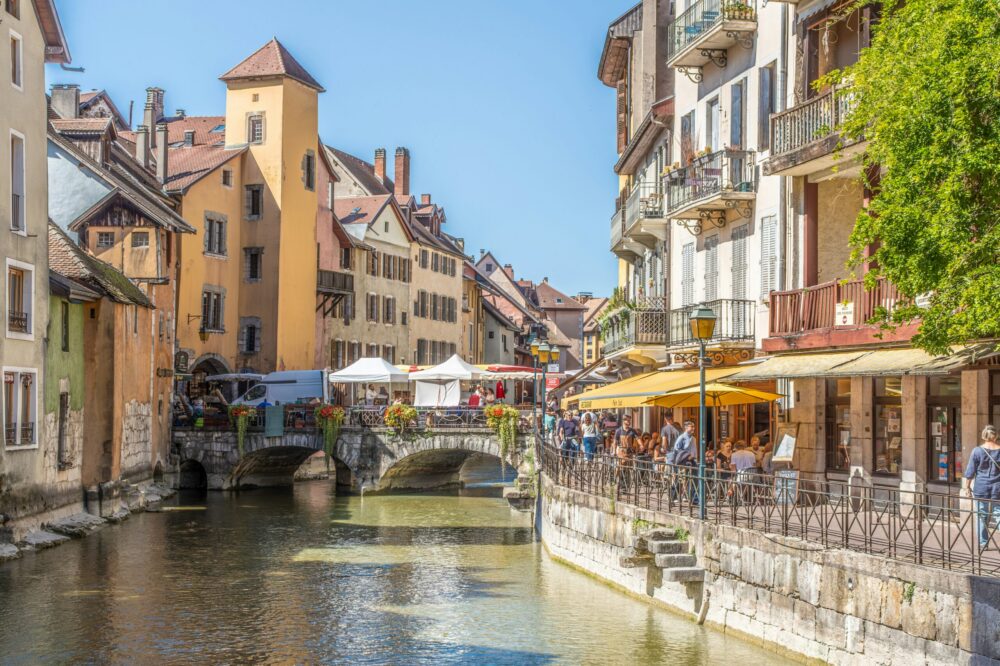
Photo by Deniz Demirci on Unsplash



I appreciate the step-by-step breakdown. For the defense day, is there a typical order of presentations? Does the candidate present first?
Typically, the candidate presents their work first (about 30-45 minutes), followed by questions from the jury. Then there may be a closed deliberation, after which the jury president announces the result publicly. The exact order can vary by discipline, so ask your director for specifics.
Is it common to have an international member on the jury? My research is quite niche, so I’m worried about finding someone.
Having an international member is encouraged but not always mandatory. The key is to have at least one external expert. If your field is niche, your director can help identify suitable experts. Start early to allow time for invitations and travel arrangements.
What happens if I miss the six-month deadline after pre-defense authorization?
If you exceed the six-month window, you may need to request an extension from the doctoral school. This is not automatic and requires justification. It’s best to schedule your defense as soon as possible after receiving authorization to avoid complications.
I’m a bit stressed about the jury composition. Is it true that I cannot contact jury members directly?
That’s correct. Once the jury is approved, official invitations are sent by the doctoral school. Direct contact from the candidate about the defense date or logistics is generally not allowed to maintain impartiality. You can communicate with them during the defense itself.
Thanks for the detailed guide. One question: for the public abstract, is it mandatory to have both French and English versions?
Yes, most Toulouse universities require a public abstract in both French and English, especially if the thesis is written in English. This ensures accessibility for a broader audience. Check with your doctoral school for specific formatting guidelines.
Great article! Could you clarify the timeline: how long before the defense should I submit the final version to my director?
The article mentions at least two months before the planned defense. This gives your director time to review and write the report. However, some doctoral schools may require even earlier submission, so always confirm with your own school’s guidelines.
This is very helpful. I’m planning to defend at UT Capitole next year. Does the process differ much between the three Toulouse universities?
The general framework is the same across all Toulouse universities, as it follows national regulations. However, each institution may have slight variations in administrative deadlines or specific doctoral school requirements. It’s best to check with your own doctoral school for exact details.
Thanks for the clear guide. I’m a master’s student preparing a dissertation defense. Does the same process apply?
The article focuses on PhD thesis defenses, but master’s dissertation defenses follow a similar but simplified process. Requirements like jury composition and public announcement may be less formal. Check with your department for specific master’s defense regulations.