

Table des matières:
Understanding the Reference Letter Process at the University of Florence
Whether you are applying for a master’s program, a scholarship, or a job, a strong reference letter from the University of Florence can make a significant difference. This guide explains exactly how to get a reference letter from the University of Florence, covering who to ask, what to include, and common pitfalls to avoid.
Who Can Write Your Reference Letter?
At the University of Florence, referees are typically professors, associate professors, or researchers who have taught you or supervised your work. For professional references, you may also approach a lab supervisor or a project coordinator. Ensure your referee knows you well enough to provide specific examples of your skills and achievements.
Eligible Referees
- Professors from your major courses
- Research supervisors for thesis or lab work
- Course instructors for elective or language classes
- Academic advisors if you had regular meetings
Step-by-Step: How to Request a Reference Letter
Follow these steps to ensure a smooth process when requesting a reference letter from the University of Florence.
1. Choose the Right Referee
Select someone who has a positive impression of your work. Ideally, choose a professor from a course where you performed well or a supervisor who can speak to your research abilities.
2. Prepare Your Request
Send a polite email or visit during office hours. Clearly state the purpose of the letter (e.g., graduate school application), the deadline, and any specific requirements (e.g., format, submission method). Attach your CV, transcript, and a brief summary of your achievements to help the referee write a detailed letter.
3. Provide Necessary Information
Include the following in your request:
- Your full name and student ID
- The program or position you are applying for
- Deadline and submission instructions (e.g., online portal, sealed envelope)
- Any specific points you would like highlighted
- A list of courses you took with the referee, with grades if possible
4. Follow Up Politely
If you do not receive a response within a week, send a gentle reminder. Once the letter is submitted, send a thank-you note and keep your referee updated on the outcome.
What a Strong Reference Letter Includes
A well-written reference letter from the University of Florence typically contains:
- Official letterhead of the university or department
- Your referee’s contact information
- Your relationship with the referee (e.g., “I taught [Name] in my advanced economics course”)
- Specific examples of your skills, contributions, and character
- A strong endorsement for the specific opportunity
Common Mistakes to Avoid
Avoid these common errors when requesting a reference letter from the University of Florence:
- Asking at the last minute: Give your referee at least two to four weeks’ notice.
- Not providing context: Without your CV and details, the letter may be generic.
- Choosing the wrong person: A friendly professor who doesn’t know your work may write a weak letter.
- Forgetting to waive your right to view the letter: In many applications, waiving your right adds credibility.
Sample Email Request Template
Here is a template you can adapt:
Subject: Request for Reference Letter – [Your Name]
Dear Professor [Last Name],
I hope this message finds you well. I am writing to respectfully request a reference letter for my application to the [Program Name] at [University/Organization]. I greatly enjoyed your course [Course Name] in [Semester/Year] and earned a grade of [Grade]. Your insights on [specific topic] were particularly inspiring.
I have attached my CV, transcript, and a brief statement of purpose. The deadline is [Date], and the letter should be submitted via [online portal/mailed to address]. Please let me know if you need any additional information.
Thank you for your time and support.
Best regards,
[Your Full Name]
[Student ID]
[Your Email]
Timeline and Deadlines
Plan ahead to avoid stress. Here is a recommended timeline:
| Task | Recommended Time |
|---|---|
| Identify potential referees | 4–6 weeks before deadline |
| Send initial request | 3–4 weeks before deadline |
| Provide materials and details | Immediately after request accepted |
| Follow up if needed | 1 week before deadline |
| Send thank-you note | After submission |
Frequently Asked Questions
How long does it take to get a reference letter from the University of Florence?
Most professors require at least two weeks, but some may take up to a month. Always ask early.
Can I get a reference letter if I graduated years ago?
Yes, but contact your former professor with a reminder of who you are and your achievements in their course. Attach old transcripts or projects to jog their memory.
Do I need to waive my right to see the letter?
In many applications, waiving your right (by signing a waiver) makes the letter more credible to admissions committees.
Is there a specific format for reference letters at the University of Florence?
There is no strict format, but official letterhead, a signature, and contact details are standard. Some departments may have a template; ask your referee.
Can I ask a teaching assistant for a reference letter?
It depends. Some programs accept letters from TAs, but a professor’s letter carries more weight. If a TA knows you well, ask if the professor can co-sign.
What if my professor refuses?
Respect their decision and ask another professor. It’s better to have a willing referee than a reluctant one.
Next Steps: Secure Your Reference Letter Successfully
Getting a reference letter from the University of Florence requires planning, clear communication, and gratitude. Start early, choose your referees wisely, and provide all necessary information. A well-prepared request will yield a strong letter that supports your future endeavors. Good luck!
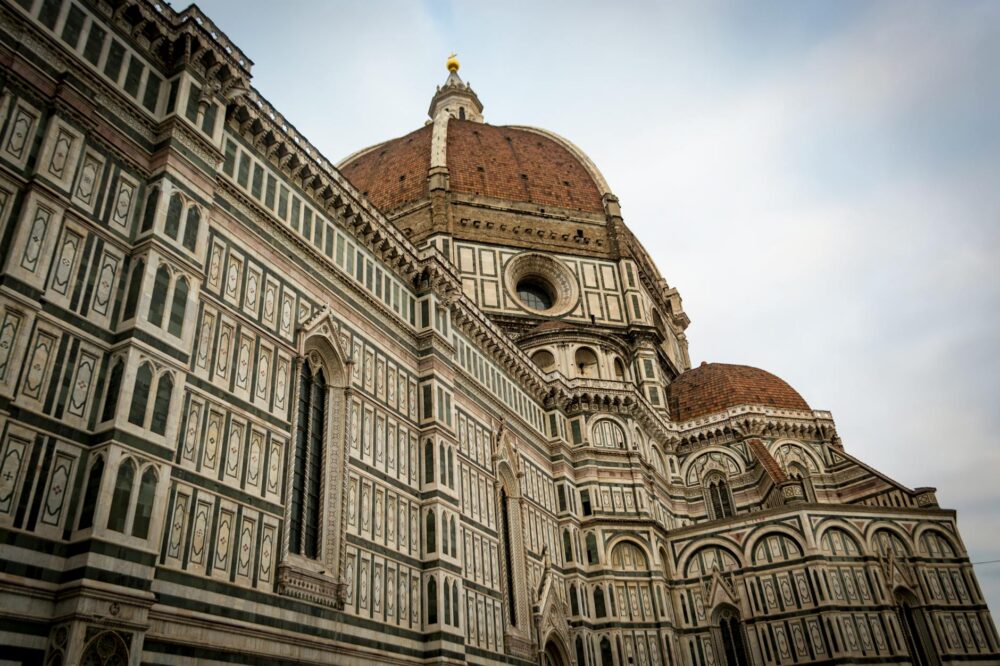
Photo by Jorge Salazar on Unsplash


I’m an exchange student at UniFi and need a reference letter for a master’s application. Can I ask a professor from my home university instead?
If you’re currently studying at UniFi, a letter from a UniFi professor is often preferred as they can attest to your recent academic work. However, you can also include a letter from your home university if it’s relevant. For the best impact, choose a referee who knows you well and can provide specific examples.
Great guide! I’m planning to ask my thesis supervisor for a letter. Should I provide a draft of the letter to make it easier for them?
Thank you! Yes, providing a draft is a good idea, but make sure it’s just a template or outline of points you’d like covered. Some professors prefer to write their own letters, so offer it as a reference rather than a final version.
What if my professor doesn’t speak English well? Can they write the letter in Italian and I translate it?
Most universities and employers accept letters in Italian if the institution is Italian. However, if the application requires English, ask your professor to write in Italian and have it officially translated. Alternatively, some professors may be comfortable writing in English with your help on key phrases.