
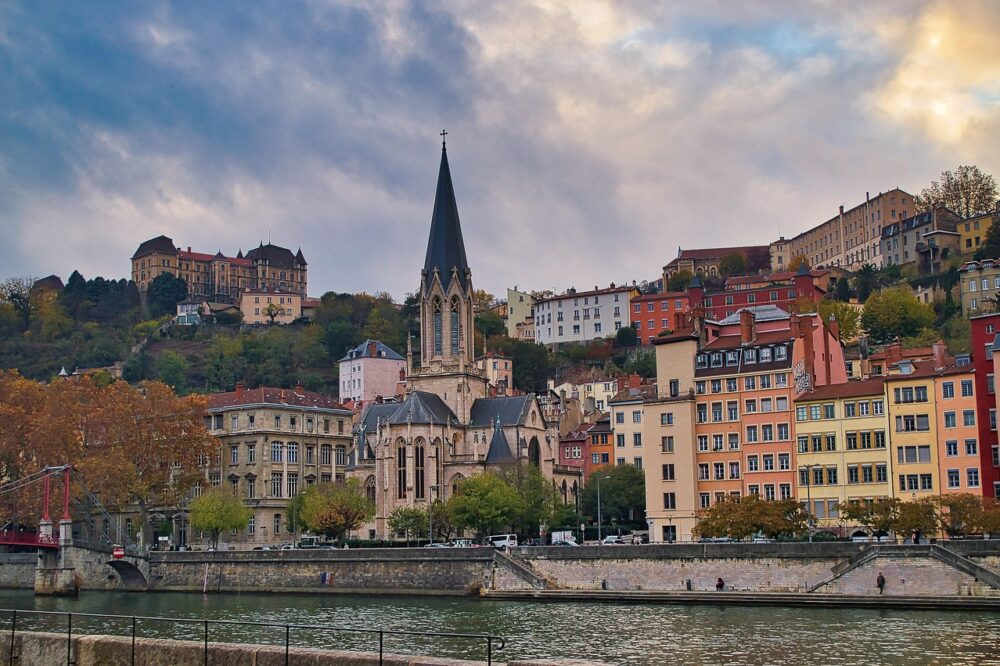
If you love food, Lyon is not just a good destination—it’s a pilgrimage. Often called the gastronomic capital of France, this city between the Rhône and Saône rivers offers an unparalleled culinary scene. From humble bouchons serving classic Lyonnaise fare to Michelin-starred temples of haute cuisine, Lyon delivers for every palate and budget. But is it truly worth the hype for foodies? Let’s dive into what makes Lyon a must-visit for anyone passionate about food.
Table des matières:
Why Lyon Is Known as the Food Capital of France
Lyon’s reputation rests on a deep culinary heritage. The city has been a crossroads for trade since Roman times, bringing ingredients from all over France. In the 19th and 20th centuries, female chefs known as “les mères lyonnaises” (the mothers of Lyon) elevated home cooking to an art form. Women like Eugénie Brazier earned three Michelin stars and trained future legends like Paul Bocuse. This legacy continues today, with Lyon boasting more restaurants per capita than any other French city except Paris.
What Makes Lyonnaise Cuisine Unique?
Lyonnaise cuisine is hearty, flavorful, and ingredient-driven. Key characteristics include:
- Use of local products: Charolais beef, Bresse chicken, Lyon sausage, Saint-Marcellin cheese, and fruits from the Rhône valley.
- Offal and charcuterie: Dishes like tablier de sapeur (breaded tripe) and andouillette (chitterling sausage) are beloved locals.
- Sauces and reductions: Rich sauces made with butter, cream, and wine are staples.
- Seasonal simplicity: Ingredients are allowed to shine without heavy manipulation.
From Bouchons to Michelin Stars: Lyon’s Restaurant Scene
Lyon offers a spectrum of dining experiences. Here’s what you need to know.
Traditional Bouchons: The Heart of Lyonnaise Dining
A bouchon is a small, family-run restaurant serving traditional Lyonnaise food. These are the soul of the city’s food scene. Look for the official “Bouchon Lyonnais” certification, which guarantees authenticity. Typical dishes include:
- Salade lyonnaise: Frisée lettuce with lardons, croutons, and a poached egg.
- Quenelles de brochet: Light pike dumplings in a creamy sauce.
- Cervelle de canut: A creamy cheese dip made from fromage blanc, herbs, and garlic.
- Tarte à la praline: A bright pink almond tart that’s a local specialty.
Popular bouchons include Le Café des Fédérations, Daniel et Denise, and Chez Hugon. Reservations are essential, especially for dinner.
Michelin-Starred Dining
Lyon is home to numerous Michelin-starred restaurants. The most famous is Paul Bocuse (3 stars) in Collonges-au-Mont-d’Or, just outside the city. Other top tables include La Mère Brazier (2 stars), Têtedoie (1 star), and Takao Takano (1 star). These restaurants offer tasting menus that showcase modern French technique.
Bistrots and Modern Cuisine
Beyond bouchons and stars, Lyon has a vibrant bistrot scene. Chefs like Mathieu Rostaing-Tayard (at Le Bistrot de l’École) and Nicolas Pourcheresse (at Le Kitchen Café) reinterpret Lyonnaise classics with a contemporary twist. These spots are ideal for a relaxed yet refined meal.
Must-Try Lyonnaise Dishes and Specialties
When in Lyon, you must sample these iconic dishes:
| Dish | Description | Where to Try |
|---|---|---|
| Salade lyonnaise | Frisée with lardons, croutons, poached egg | Any bouchon |
| Quenelles de brochet | Pike dumplings in Nantua sauce | Bouchons or brasseries |
| Tablier de sapeur | Breaded and fried tripe | Traditional bouchons |
| Andouillette | Chitterling sausage, often grilled | Bouchons like Chez Georges |
| Cervelle de canut | Herbed cheese dip | Many bistrots |
| Tarte à la praline | Almond tart with pink praline | Boulangeries and patisseries |
| Saint-Marcellin | Soft cow’s milk cheese | Cheese shops |
Best Food Markets and Food Halls
To experience Lyon’s ingredients firsthand, visit these markets:
- Les Halles de Lyon Paul Bocuse: An indoor food market with stalls selling cheese, charcuterie, seafood, and more. Try the oysters and a glass of white wine.
- Marché Saint-Antoine: A riverside market on the Saône, perfect for fresh produce, flowers, and street food.
- Marché de la Croix-Rousse: A lively market on the hill, great for organic and local products.
Wine and Beverage Pairings
Lyon is surrounded by famous wine regions: Beaujolais to the north, Côtes du Rhône to the south, and Burgundy not far away. Local wines include:


- Beaujolais: Light reds like Fleurie and Morgon.
- Côtes du Rhône: Robust reds (Châteauneuf-du-Pape) and whites (Condrieu).
- Burgundy: Elegant Pinot Noir and Chardonnay.
Many restaurants have extensive wine lists. For a casual drink, try a pot lyonnais (a 46 cl carafe of local wine) at a bouchon. Also, don’t miss Chartreuse, a herbal liqueur from nearby Voiron.
Practical Tips for Foodies Visiting Lyon
- Reserve in advance: Popular bouchons and Michelin-starred restaurants book up weeks ahead.
- Learn basic French phrases: While many staff speak English, effort is appreciated.
- Check opening times: Many restaurants close on Sundays and Mondays, and some bouchons only serve lunch.
- Explore neighborhoods: The Presqu’île, Vieux Lyon, and Croix-Rousse each have distinct food scenes.
- Take a food tour: Guided tours can help you discover hidden gems and learn about the history.
Common Mistakes to Avoid
- Only eating at tourist traps: Near Place Bellecour, some restaurants are overpriced. Walk a few blocks for better quality.
- Skipping the bouchons: They are the essence of Lyonnaise cuisine. Don’t miss them.
- Not trying offal: Even if you’re hesitant, the andouillette or tablier de sapeur might surprise you.
- Forgetting about dessert: Lyon has excellent pastry shops; try praline tart or Saint-Marcellin with honey.
Foodie Itinerary: How to Spend 48 Hours in Lyon
Day 1: Start at Les Halles Paul Bocuse for breakfast (coffee and a pastry). Then explore Vieux Lyon, stopping for a bouchon lunch at Le Café des Fédérations. Afternoon: visit a museum or walk along the Saône. Dinner at a modern bistrot like Le Kitchen Café.
Day 2: Morning at Marché Saint-Antoine, then a cooking class (e.g., at Cook’In Lyon). Lunch at a bouchon in Croix-Rousse (Chez Hugon). Afternoon: wine tasting at a caveau. Final dinner at La Mère Brazier or a bouchon like Daniel et Denise.
Frequently Asked Questions
Is Lyon expensive for foodies?
It can be, but there are affordable options. Bouchon menus range from €20-35 for lunch, while Michelin-starred meals start around €80. Street food and markets offer budget-friendly bites.
Do I need to speak French to enjoy Lyon’s food scene?
Not necessarily, but knowing a few phrases helps. Many bouchons have English menus, and younger staff often speak English.
What is the best time to visit Lyon for food?
Spring (April-June) and fall (September-October) offer pleasant weather and seasonal ingredients. The Fête des Lumières in December is magical but crowded.
Are there vegetarian options in Lyon?
Yes, but traditional Lyonnaise cuisine is meat-heavy. Many modern restaurants offer vegetarian menus. Bouchons can adapt dishes on request.
Can I take a cooking class in Lyon?
Absolutely. Schools like Cook’In Lyon and L’Atelier des Chefs offer classes in English. You’ll learn to make quenelles, praline tart, and more.
What is the difference between a bouchon and a brasserie?
A bouchon is a small, traditional Lyonnaise restaurant with a set menu of local dishes. A brasserie is larger, serves a wider range of French food, and has longer hours.
Your Next Steps: Planning a Foodie Trip to Lyon
Now that you know Lyon is a fantastic destination for foodies, it’s time to plan. Book your flights, reserve tables at a mix of bouchons and starred restaurants, and leave room for spontaneous discoveries. Whether you’re a seasoned gourmand or a curious traveler, Lyon will satisfy your cravings and leave you inspired. Bon appétit!
Photo by Roses_Street on Pixabay
I’m vegetarian. Is Lyon still a good destination for me?
Lyon’s traditional cuisine is meat-heavy, but the city has adapted. Many bouchons now offer vegetarian options like gratin dauphinois or salade lyonnaise without lardons. For dedicated veggie restaurants, try Le Kitchen Café or the vegetarian menu at Têtedoie.
What’s the best way to get a taste of Lyonnaise cuisine without spending too much?
Try the lunch menu at a bouchon – it’s often a fixed price and much cheaper than dinner. Also visit the Halles de Lyon Paul Bocuse food market for affordable tastings of local products like cheese, sausage, and praline tarts.
What exactly is a bouchon? And how do I know if a restaurant is a real one?
A bouchon is a small, family-run restaurant serving traditional Lyonnaise food. Look for the official ‘Bouchon Lyonnais’ certification sticker in the window. Popular authentic ones include Le Café des Fédérations and Daniel et Denise.
Great article! Could you recommend a few budget-friendly bouchons that are still authentic?
Absolutely! Le Musée is a good budget-friendly option with classic dishes. Also try Chez Hugon – it’s small and very authentic. Both are certified and won’t break the bank.
Is it true that Lyon has more restaurants per capita than Paris?
Yes, Lyon actually has more restaurants per capita than any other French city except Paris. The density is impressive, especially in the Presqu’île district, so you’ll always find something good to eat.
I’ve heard Lyon is great for food, but is it really that much better than other French cities like Paris or Marseille?
Lyon stands out for its concentration of traditional bouchons and its unique culinary heritage from the ‘mères lyonnaises’. While Paris has more Michelin stars, Lyon offers an authentic, affordable food scene that’s hard to beat. It’s definitely worth a visit for foodies.
Do I need to book in advance for bouchons, or can I just walk in?
Reservations are highly recommended, especially for dinner. Bouchons are small and popular with locals and tourists alike. For lunch, you might get lucky with a walk-in, but booking ahead is safer.