
If you’re planning a trip to the French Riviera or have just moved to Nice, you’ve likely asked yourself: Is the water in Nice clean? The short answer is yes—the tap water in Nice meets strict European Union safety standards and is perfectly safe to drink. But there are nuances, especially regarding taste, mineral content, and local preferences. In this guide, we’ll dive into the sources, testing results, and practical tips for enjoying Nice’s water.
Table des matières:
Where Does Nice’s Tap Water Come From?
Nice’s water supply is managed by Eau d’Azur, the municipal water company. The water originates from two main sources:
- Surface water: The Vésubie and Var rivers provide the majority, treated at the Super-Nice plant.
- Groundwater: Several wells tap into aquifers, especially in the Var valley.
The water undergoes rigorous treatment including filtration, disinfection with chlorine, and UV light. The result is water that complies with over 60 quality parameters set by the EU Drinking Water Directive.
Official Water Quality Reports in Nice
The Regional Health Agency (ARS) publishes annual water quality reports. The latest data shows that Nice’s tap water has zero non-compliant samples for bacteria, nitrates, or heavy metals. Here’s a summary of key indicators:
| Parameter | Average Level | EU Limit |
|---|---|---|
| Nitrates | 15 mg/L | 50 mg/L |
| Chlorine | 0.3 mg/L | 5 mg/L |
| Calcium | 80 mg/L | No limit |
| pH | 7.4 | 6.5–9.5 |
| Lead | <0.01 mg/L | 0.01 mg/L |
These numbers confirm that the water in Nice is clean and safe for drinking, cooking, and brushing teeth.
Why Do Some People Say Not to Drink Tap Water in Nice?
Despite official safety, you might hear locals or tourists avoid tap water. Common reasons include:
- Taste and odor: Chlorine used for disinfection can leave a slight taste, especially in summer when levels are higher.
- Hard water: Nice’s water is moderately hard (around 15°fH). This can cause scale in kettles but is not a health concern.
- Old plumbing: In some older buildings, lead pipes might leach small amounts, but the water itself is safe at the source.
If you’re sensitive to taste, letting water sit in a pitcher for a few minutes or refrigerating it can reduce chlorine flavor. A simple filter jug also works wonders.
How Does Nice’s Water Compare to Bottled Water?
Many tourists buy bottled water out of habit, but is it necessary? Let’s compare:
| Factor | Tap Water (Nice) | Bottled Water |
|---|---|---|
| Cost | ~€0.003 per liter | €0.50–€2 per liter |
| Environmental impact | Low | High (plastic waste) |
| Safety | Meets EU standards | Same or similar |
| Mineral content | Moderate calcium, magnesium | Varies by brand |
For daily hydration, tap water is not only safe but also more sustainable. However, if you prefer sparkling water, Nice’s tap is still fine for still water.
Practical Tips for Drinking Water in Nice
Here’s a quick checklist for making the most of Nice’s water:
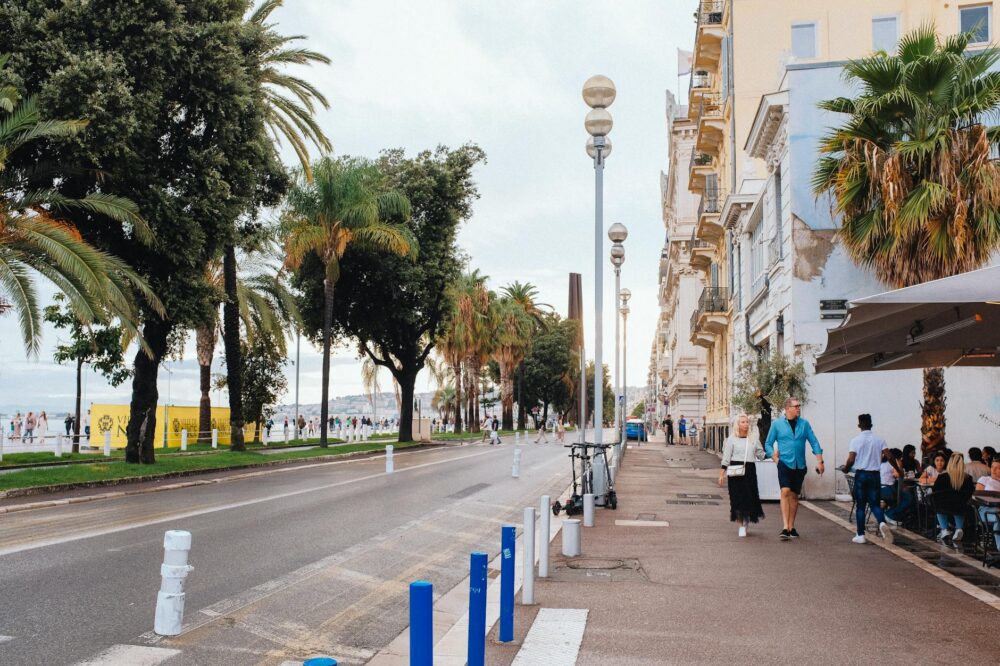
- Carry a reusable bottle: Public fountains (fontaines) are common, especially along the Promenade des Anglais. Look for the green “Eau potable” signs.
- Use a filter: If you dislike the taste, a Brita or similar jug improves flavor and reduces scale.
- Boil if concerned: Not necessary for safety, but boiling removes chlorine taste and kills any potential germs (though none are present).
- Ask locals: In cafés, request “un carafe d’eau” (a pitcher of tap water) – it’s free and safe.
Common Misconceptions About Nice’s Water
Let’s debunk a few myths:
- Myth: Tap water causes stomach issues. Fact: No evidence supports this; most cases are due to change in diet or sun exposure.
- Myth: Only bottled water is safe for infants. Fact: The French health agency says tap water is fine for babies after 6 months, but check with your pediatrician if concerned.
- Myth: Water fountains are not maintained. Fact: The city tests public fountains regularly; most are safe.
Frequently Asked Questions
Is the water in Nice clean enough to brush your teeth?
Absolutely. The water is safe for oral hygiene. No need to use bottled water.
Can I drink tap water in Nice hotels?
Yes, unless the hotel explicitly advises otherwise (rare). If the water sits in pipes for long, let it run a few seconds first.
Does Nice’s water contain fluoride?
Fluoride is not added to Nice’s water. Natural levels are low (around 0.1 mg/L). If you need fluoride, use toothpaste.
Is the water in Nice hard or soft?
Moderately hard (about 15°fH). You may notice limescale, but it’s harmless.
What about water in restaurants—do they serve tap water?
By law, restaurants must provide free tap water if requested. Ask for “une carafe d’eau.”
Should I buy bottled water for making coffee or tea?
Not necessary. Tap water works fine; if you dislike the taste, use a filter.
Your Next Step: Enjoy Nice’s Water Responsibly
Now that you know the water in Nice is clean, you can confidently hydrate from the tap. Save money, reduce plastic waste, and stay refreshed. Pack a reusable bottle, explore the city’s public fountains, and if you’re still unsure, a simple filter will give you peace of mind. Enjoy your time in Nice—cheers to clean water!
Photo by wal_172619 on Pixabay


Can you recommend a good water filter for removing chlorine taste?
A simple activated carbon filter jug works well for reducing chlorine taste and odor. Brands like Brita or local options are available at supermarkets. For a more permanent solution, you could install a faucet-mounted filter. Just ensure it’s compatible with your tap.
I noticed the article mentions UV treatment. Does that mean the water is completely free of microorganisms?
Yes, the UV treatment is an additional disinfection step that inactivates microorganisms like bacteria and viruses. Combined with chlorination, the water is microbiologically safe. The UV light doesn’t leave any chemical residue, so it’s an effective and clean method.
I’m moving to Nice and concerned about lead pipes. Are there any areas with older buildings where this is a problem?
In older buildings, especially those built before the 1950s, lead pipes may still be present. However, the water itself is treated to minimize lead leaching, and the levels at the source are very low. If you’re concerned, you can request a water test from your landlord or use a filter certified for lead removal.
This is so helpful! I always buy bottled water when I travel, but now I’ll just bring a reusable bottle. Are there many refill stations in Nice?
Yes, there are many public fountains along the Promenade des Anglais and in parks. Also, some cafes and restaurants will refill your bottle for free if you ask nicely. It’s a great way to stay hydrated and reduce plastic waste!
Thanks for the detailed breakdown! I was worried about the water quality in Nice, but this puts my mind at ease. One question: are there any public fountains that are not potable? How can I tell which ones are safe?
Great question! Most public fountains in Nice have a sign indicating whether the water is potable. Look for green “Eau potable” signs. Fountains without these signs are typically decorative and not for drinking. When in doubt, check for the label or ask a local.
What about using tap water for coffee or tea? Does the chlorine affect the taste significantly?
Chlorine can affect the taste of hot beverages, especially if the water is not aerated. Letting the water sit for a few minutes or using a filter can reduce the chlorine flavor. Many locals use a simple jug filter for better-tasting coffee and tea.
Is the water hardness an issue for appliances like kettles or washing machines?
Nice’s water is moderately hard (around 15°fH), which can cause limescale buildup in kettles and appliances. Descaling regularly with vinegar or a commercial descaler is recommended. For washing machines, using a water softener or adding a descaling product can help.
I’ve heard that the water in Nice can cause stomach issues for visitors. Is that true?
The water itself meets EU safety standards, so it’s unlikely to cause stomach issues. However, if you’re not used to the local mineral content or chlorine levels, your digestive system might react temporarily. It’s usually mild and passes quickly. Starting with small amounts can help.