
Table des matières:
Understanding French Cultural Etiquettes: Why It Matters
France is known for its rich history, art, and cuisine, but also for its strong social codes. Understanding cultural etiquettes in France is crucial for anyone planning to visit, work, or study there. French people appreciate when foreigners make an effort to respect their customs, and small gestures can go a long way in building rapport. This guide covers the most important rules of etiquette, from greetings to dining, business, and everyday interactions.
Greetings and Introductions: The Foundation of French Etiquette
The Art of Saying Hello
In France, greetings are not optional. Always say bonjour (good day) or bonsoir (good evening) when entering a shop, a waiting room, or meeting someone. Failing to greet is considered rude. The greeting should be clear and accompanied by a polite nod or smile.
La Bise: When to Kiss on the Cheek
La bise (cheek kissing) is a common greeting among friends and acquaintances. The number of kisses varies by region—typically two in most of France (Paris, Lyon), but three in some southern areas. Men usually shake hands with each other, unless they are close friends. With strangers, a handshake is the norm. When in doubt, follow the other person’s lead.
Formal vs. Informal Address
Use vous (formal you) with people you don’t know, older people, and in professional settings. Switch to tu (informal you) only when invited. Using the wrong form can be seen as disrespectful or overly familiar.
Dining Etiquette: Table Manners and Meal Customs
Arriving on Time
For dinner invitations, arrive no more than 10–15 minutes late. Arriving early may catch the host off guard. For a formal dinner, punctuality is expected. For a casual gathering, a slight delay is acceptable.
Table Manners Checklist
- Keep your hands on the table (wrists or forearms), not in your lap.
- Wait for the host to say bon appétit before starting to eat.
- Bread is placed directly on the tablecloth, not on a plate.
- Cut cheese with a knife, never with a fork.
- Finish everything on your plate; leaving food can imply you didn’t like it.
- Compliment the host on the meal, especially the wine and cheese.
Wine and Toasting
Wine is an integral part of French dining. The host usually selects the wine. When toasting, maintain eye contact with each person. Say santé or à votre santé (to your health). Never clink glasses with water or soft drinks—it’s considered a faux pas.
Tipping: Not Mandatory but Appreciated
Service charge is included in the bill (service compris), but leaving a small tip (5–10% of the bill) for good service is polite. It’s common to leave a few euros in cash.
Business Etiquette: Professional Norms in France
Punctuality and Meetings
Punctuality is expected for business meetings. Arrive on time, but be prepared to wait a few minutes if the previous meeting runs long. Meetings often start with handshakes and brief small talk before diving into business.
Dress Code
French business attire is conservative and elegant. Men wear dark suits and ties; women wear suits or dresses with subtle accessories. First impressions matter, so dress smartly.
Communication Style
French business culture values logic, debate, and directness. Prepare to defend your ideas with clear reasoning. Avoid aggressive sales tactics; instead, build relationships and trust. Use formal titles (Monsieur, Madame) until invited to use first names.
Business Cards

Exchange business cards at the beginning of a meeting. Present your card with both hands or with the right hand. Take a moment to read the card before putting it away.
Everyday Etiquette: Social Norms and Common Pitfalls
Queueing and Personal Space
Queues are orderly; always wait your turn. Avoid cutting in line. French people value personal space, so maintain an arm’s length distance when talking to strangers.
Public Behavior
Speaking loudly in public (on the phone, in a café) is considered rude. Avoid chewing gum or eating while walking in the street. Dress neatly even for casual outings; torn jeans or sportswear may be seen as sloppy.
Gift Giving
If invited to a home, bring a small gift such as flowers, chocolates, or a bottle of wine. Avoid giving chrysanthemums (associated with funerals) or red roses (romantic). Wrap the gift nicely; presentation matters.
Common Mistakes to Avoid
- Not greeting first: Always say bonjour before asking a question.
- Using first names too soon: Wait for the other person to suggest it.
- Assuming everyone speaks English: Try a few French phrases first.
- Eating with your hands: Most food is eaten with utensils, even pizza and sandwiches.
- Criticizing French culture or cuisine: Avoid negative comparisons.
FAQ: Frequently Asked Questions About French Etiquette
Is it rude to tip in France?
No, but it’s not required. Leaving a small tip is a nice gesture for good service.
How many kisses for la bise?
It varies by region. In Paris, two kisses are typical; in the South, three or four. Follow the other person’s lead.
Can I wear casual clothes to a nice restaurant?
It’s better to dress smart-casual. Avoid shorts, flip-flops, or sportswear in upscale places.
Should I bring wine to a dinner party?
Yes, but don’t expect the host to serve it. They may have chosen wines for the meal.
What should I do if I don’t speak French?
Learn a few basic phrases like bonjour, merci, s’il vous plaît. French people appreciate the effort.
Is it okay to discuss money or salary?
Generally no. Avoid asking about income, politics, or religion in casual conversation.
Practical Tips for Navigating French Etiquette
Mastering cultural etiquettes in France takes practice, but a few key habits will help you fit in:
- Always greet before anything else.
- Use formal language until invited otherwise.
- Respect meal times and table manners.
- Dress appropriately for the occasion.
- Be punctual but not early for social events.
By following these guidelines, you’ll show respect for French culture and make a positive impression. Whether you’re traveling for leisure or business, understanding these norms will enrich your experience and help you connect with locals.
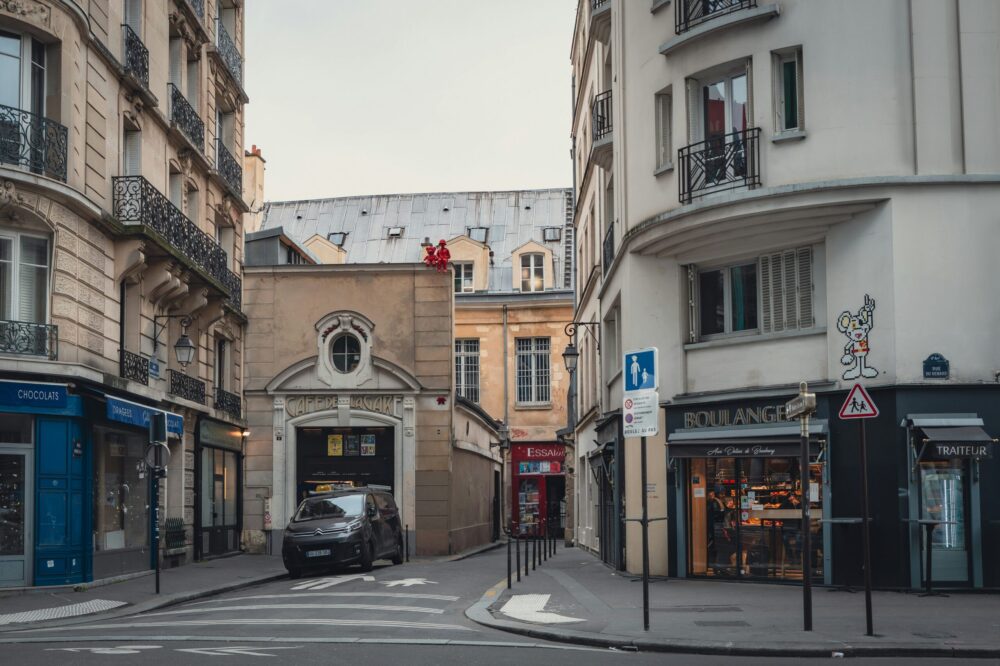
Photo by Sung Jin Cho on Unsplash




I heard that in France you should never eat bread as an appetizer before the meal. Is that true?
Actually, it’s common to eat bread throughout the meal in France, but not as an appetizer before the food arrives. You can tear off a piece to accompany your starter or main course. Just don’t eat a whole piece before the meal starts.
What about tipping at a café? If I just have a coffee, should I leave something?
Tipping is not required but appreciated. For a simple coffee, leaving a small coin (€0.50–€1) is a nice gesture. If you have a full meal, 5–10% of the bill is a good rule of thumb, but it’s not expected like in the US.
Great article! I’m visiting Paris next month and want to make sure I don’t offend anyone. Could you clarify when exactly I should use ‘vous’ vs ‘tu’? Is it always better to start with ‘vous’?
Yes, always start with ‘vous’ when addressing someone you don’t know, someone older, or in any professional setting. Only switch to ‘tu’ if the other person invites you to do so or if you become close friends. It’s better to be too formal than too familiar.
I’m confused about ‘la bise’. Do I kiss everyone I meet, even in a business setting?
No, in business settings, a handshake is the norm. ‘La bise’ is reserved for friends, family, and close acquaintances. With strangers or in formal situations, always offer a handshake. When in doubt, follow the other person’s lead.
Thanks for the tips! One question: what if I’m invited to a French home for dinner? Should I bring a gift?
Yes, it’s polite to bring a small gift. A bottle of good wine, a box of chocolates, or flowers (avoid chrysanthemums—they’re for funerals) are all appropriate. If bringing wine, don’t expect it to be served that evening; the host may save it for another occasion.