

Nice, the sparkling jewel of the French Riviera, is known around the world for its azure waters, vibrant markets, and sunny climate. But did you know that this beloved city has a cherished nickname? Locals and frequent travelers often refer to Nice as “Nice la Belle” — which translates to “Nice the Beautiful.” This moniker perfectly captures the city’s stunning natural setting, elegant architecture, and irresistible charm. In this article, we’ll explore the origin of this nickname, other names associated with Nice, and practical tips for experiencing the city like a local.
Table des matières:
The Origin of “Nice la Belle”
The nickname “Nice la Belle” is not just a tourist slogan; it has deep historical and cultural roots. The phrase gained popularity in the 19th century when British aristocrats discovered the mild winters and breathtaking landscapes of the French Riviera. They began calling Nice “Nice la Belle” as a testament to its beauty. Over time, the nickname stuck and became an official part of the city’s identity.
Why “la Belle”?
In French, “belle” means beautiful, but it also conveys elegance and grace. Nice earned this title because of its unique combination of natural splendor and refined culture. The city’s location on the Baie des Anges (Bay of Angels), framed by the foothills of the Alps, creates a backdrop that is both dramatic and serene. The pastel-colored buildings of the old town, the palm-lined Promenade des Anglais, and the vibrant flower market all contribute to the city’s aesthetic appeal.
Historical Anecdote
One of the earliest written records of “Nice la Belle” appears in the travel diaries of 18th-century visitors. For instance, the English novelist Tobias Smollett, who spent time in Nice in the 1760s, praised its climate and scenery. By the time Queen Victoria visited in the late 1800s, the nickname was already in common use among the European elite.
Other Nicknames for Nice
While “Nice la Belle” is the most famous nickname, the city has acquired several other monikers over the years. Here are a few you might encounter:
- “Nissa la Bella” — In the Niçois dialect (the local Occitan language), this means “Nice the Beautiful.” It is used in the famous anthem of the same name, which celebrates the city’s beauty and pride.
- “The Queen of the Riviera” — A regal title that highlights Nice’s status as the largest and most prominent city on the French Riviera.
- “The Capital of the French Riviera” — While not a nickname per se, this phrase underscores Nice’s role as the cultural and economic hub of the Côte d’Azur.
- “The City of Flowers” — Thanks to its famous flower market (Cours Saleya) and the annual Carnival of Nice, which features elaborate floral floats.
Why These Nicknames Matter for Visitors
Knowing the nickname of Nice can enrich your travel experience. When you hear locals refer to “Nice la Belle,” you’ll understand the pride they feel. It also helps you connect with the city’s history and culture. Here’s a practical checklist for using this knowledge during your visit:
Checklist: Embracing “Nice la Belle” Like a Local
- Learn a few words in Niçois: Greet locals with “Bonjorn” (hello) and say “Merci” (thank you). They’ll appreciate the effort.
- Visit the Cours Saleya market: Experience the vibrant flower market that inspired the nickname “City of Flowers.”
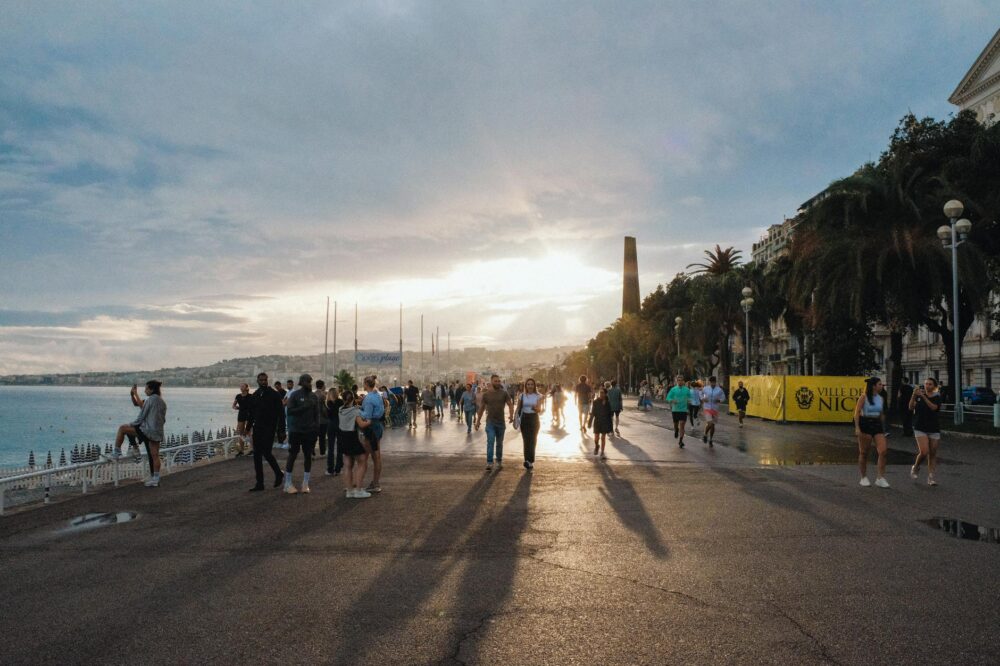
- Walk the Promenade des Anglais: This iconic seaside path is the perfect place to appreciate why Nice is called “la Belle.”
- Attend the Carnival of Nice: If you visit in February, you’ll see the city come alive with parades and flower battles, a tradition that dates back to 1294.
- Explore the old town (Vieux Nice): Get lost in the narrow streets, admire the Baroque churches, and savor socca (a chickpea pancake) at a local eatery.
Common Misconceptions About the Nickname of Nice
Some visitors mistakenly think that “Nice” itself is a nickname derived from the English word “nice.” In reality, the city’s name comes from the ancient Greek colony Nikaia, named after the goddess Nike. Others confuse “Nice la Belle” with the French phrase “C’est la belle Nice” (It’s the beautiful Nice). While similar, the standard nickname remains “Nice la Belle.”
Mistake to Avoid: Overusing the Nickname
While it’s fine to use “Nice la Belle” in conversation, avoid overdoing it. Locals might find it cliché if you use it in every sentence. Instead, use it sparingly to show appreciation.
Practical Information for Your Visit to Nice
Now that you know the nickname of Nice, here’s some practical advice to make your trip memorable.
Best Time to Visit
Nice enjoys a Mediterranean climate with mild winters and hot summers. The best times to visit are spring (April to June) and autumn (September to October) when the weather is pleasant and crowds are smaller. Summer (July to August) is peak tourist season, with temperatures often exceeding 30°C (86°F).



Getting Around
Nice has an efficient public transportation system, including trams and buses. The city center is walkable, but for longer distances, consider renting a bike or using ride-sharing services. The Nice Côte d’Azur Airport is just 7 km from the city center, with a tram line connecting it directly.
Must-See Attractions
| Attraction | Description | Tip |
|---|---|---|
| Promenade des Anglais | 7 km seaside walkway with stunning views | Rent a bike for a faster tour |
| Castle Hill (Colline du Château) | Park with panoramic views of the city and bay | Go at sunset for the best photos |
| Old Town (Vieux Nice) | Labyrinth of narrow streets with shops and restaurants | Try the local specialty, socca |
| Marc Chagall National Museum | Collection of works by the artist, including biblical themes | Book tickets online to skip the line |
Related Nicknames in the French Riviera
Nice isn’t the only city with a nickname on the Côte d’Azur. Here are a few others:
- Cannes: “The City of Festivals” — home to the famous Cannes Film Festival.
- Saint-Tropez: “The Pearl of the Riviera” — known for its glamorous beaches and nightlife.
- Monaco: “The Rock” — a principality perched on a rocky promontory.
- Antibes: “The City of Art and History” — with a rich cultural heritage and the Picasso Museum.
Understanding these nicknames can help you appreciate the distinct character of each destination.
Frequently Asked Questions About the Nickname of Nice
What is the nickname of Nice in French?
The most common nickname is “Nice la Belle”, which means “Nice the Beautiful.” In the local Niçois dialect, it is “Nissa la Bella.”
Why is Nice called “Nice la Belle”?
The nickname originated in the 19th century when wealthy European visitors were captivated by the city’s stunning natural beauty, mild climate, and elegant architecture. They began calling it “Nice la Belle” as a tribute.
Is “Nice” derived from the English word “nice”?
No. The name “Nice” comes from the ancient Greek colony Nikaia, named after the goddess of victory, Nike. The English word “nice” has a different etymology.
What is the official nickname of Nice used by locals?
Locals often use “Nice la Belle” in French, but in the Niçois dialect, they say “Nissa la Bella.” Both are terms of endearment.
Does Nice have any other nicknames?
Yes. Nice is also called “The Queen of the Riviera,” “The City of Flowers,” and “The Capital of the French Riviera.” Each highlights a different aspect of the city.
How can I use the nickname of Nice in conversation?
You can say “I’m visiting Nice la Belle this summer” or “Nice truly lives up to its nickname, Nice la Belle.” Use it naturally to express admiration.
Your Next Steps: Experience Nice la Belle
Now that you know the nickname of Nice and the stories behind it, you’re ready to explore this beautiful city with deeper appreciation. Whether you’re strolling along the Promenade des Anglais, tasting socca in the old town, or admiring the flower market, remember that you’re experiencing “Nice la Belle” firsthand. For a truly memorable trip, consider visiting during the Carnival of Nice or the Jazz Festival. And don’t forget to share your own photos and stories using the hashtag #NiceLaBelle. Enjoy your journey!
Photo by styvo Putra Sid on Unsplash

Does the nickname ‘Nice la Belle’ appear on any official city signage or documents?
Yes, you’ll often see ‘Nice la Belle’ on official city materials, such as tourism brochures and some street banners. It’s also used in promotional campaigns by the city’s tourism office, emphasizing the city’s beauty and charm.
I’m planning a trip to Nice. Is there a specific spot where I can best appreciate why it’s called ‘la Belle’?
Absolutely! For the classic view, head to Castle Hill (Colline du Château) for a panoramic vista of the Baie des Anges and the old town. Also, the Promenade des Anglais at sunset offers a stunning perspective that captures the city’s elegance.
This article was really informative! I’m curious: did Queen Victoria herself use the nickname ‘Nice la Belle’ when she visited?
While there’s no direct record of Queen Victoria using the exact phrase, she did refer to Nice as a ‘beautiful place’ in her letters. The nickname was already in common use among the British aristocracy during her visits in the late 1800s, so it’s likely she was familiar with it.
Nice is also called ‘Nissa la Bella’ in the local dialect. Do people actually use that in everyday conversation?
Yes, ‘Nissa la Bella’ is used by locals, especially older residents and those who speak the Niçois dialect. It’s also the title of the city’s anthem, so you’ll hear it during cultural events and even sung at local football matches.
I’ve seen Nice referred to as ‘The City of Flowers’ elsewhere. Does that nickname relate to the flower market mentioned in the article?
Yes, exactly! The nickname ‘City of Flowers’ comes from the famous Cours Saleya flower market, which has been a hub of local life since the 19th century. The city’s mild climate allows for year-round blooms, and the Carnival of Nice also features elaborate floral floats.
The article mentions ‘The Queen of the Riviera’ as another nickname. Is that used as often as ‘Nice la Belle’?
‘The Queen of the Riviera’ is more of a historical or poetic title, not as commonly used in daily conversation. ‘Nice la Belle’ is far more prevalent among locals and in tourism contexts. But you might see it in older travel literature or upscale marketing.
I’ve heard Nice called ‘Nice la Belle’ before, but I didn’t know it had historical roots. Is there a specific time of year when the nickname is especially celebrated?
Great question! The nickname is celebrated year-round, but it’s especially prominent during the Carnival of Nice in February or March, when the city’s beauty is on full display with floral floats and parades. Locals also sing the anthem ‘Nissa la Bella’ during festivals.