
Table des matières:
Overview of the Russian Orthodox Cathedral in Nice
The Russian Orthodox Cathedral in Nice, officially known as St. Nicholas Cathedral, is one of the most iconic religious landmarks on the French Riviera. Located at 17 Avenue Nicolas II, this stunning cathedral is the largest Russian Orthodox church outside of Russia. It was built in the early 20th century to serve the Russian community that had settled in Nice, many of whom were aristocrats and wealthy travelers. Today, it stands as a testament to the historical ties between Russia and France, attracting visitors from around the world.
Historical Background: Why Was It Built?
The cathedral’s origins date back to the 19th century when Nice became a popular winter destination for Russian nobility. After the death of Tsarevich Nicholas Alexandrovich (the eldest son of Tsar Alexander II) in Nice in 1865, a chapel was built on the site. However, as the Russian community grew, a larger church was needed. Construction of the current cathedral began in 1903 under the patronage of Tsar Nicholas II, and it was consecrated in 1912.
The Role of the Russian Community in Nice
By the late 1800s, Nice had a thriving Russian diaspora, including aristocrats, artists, and merchants. They built villas, a library, and even a Russian cemetery. The cathedral became the spiritual heart of this community, hosting services in Church Slavonic and preserving Orthodox traditions far from home.
Architecture and Design
The Russian Orthodox Cathedral in Nice is a masterpiece of Russian religious architecture. Designed by architect Mikhail Preobrazhensky, it features five onion domes, intricate mosaics, and a striking red-brick exterior. The style is reminiscent of Moscow’s St. Basil’s Cathedral, but with a distinct French influence in its decorative details.
Exterior Highlights
- Onion Domes: The golden and blue domes symbolize heaven and the Virgin Mary.
- Mosaics: The facade is adorned with colorful mosaics depicting saints and biblical scenes.
- Bell Tower: A separate bell tower houses 11 bells, which ring out during services.
Interior Splendor
Inside, the cathedral is equally breathtaking. The iconostasis (a wall of icons) is intricately carved and gilded, separating the nave from the sanctuary. The walls and ceilings are covered with frescoes and icons, many painted by Russian artists. The atmosphere is serene, with the scent of incense and the glow of candlelight.
Visiting the Cathedral: Practical Tips
If you plan to visit the Russian Orthodox Cathedral in Nice, here is what you need to know:
Opening Hours and Admission
| Day | Opening Hours | Admission Fee |
|---|---|---|
| Monday–Saturday | 9:00 AM – 12:00 PM, 2:00 PM – 6:00 PM | €5 (adults), free for children under 12 |
| Sunday | 1:00 PM – 6:00 PM | €5 (adults) |
Note: Hours may vary during religious holidays. Check the official website before visiting.
Dress Code and Etiquette
- Men should remove hats before entering.
- Women are encouraged to cover their heads (scarves are available at the entrance).
- Shorts and sleeveless tops are discouraged.
- Photography is allowed but without flash.
Religious Services and Cultural Events
The cathedral holds regular Orthodox services, including Divine Liturgy on Sundays and feast days. Visitors are welcome to attend, but must respect the solemnity of the service. The cathedral also hosts concerts, particularly during the Nice Jazz Festival and Christmas season, showcasing Russian choral music.



Common Mistakes to Avoid When Visiting
- Not checking the schedule: The cathedral may be closed during weddings or funerals.
- Ignoring the dress code: You may be denied entry if not properly attired.
- Forgetting cash: The admission fee is cash-only.
- Rushing: Spend at least 30 minutes to appreciate the art and atmosphere.
Nearby Attractions in Nice
After visiting the cathedral, you can explore other nearby sites:
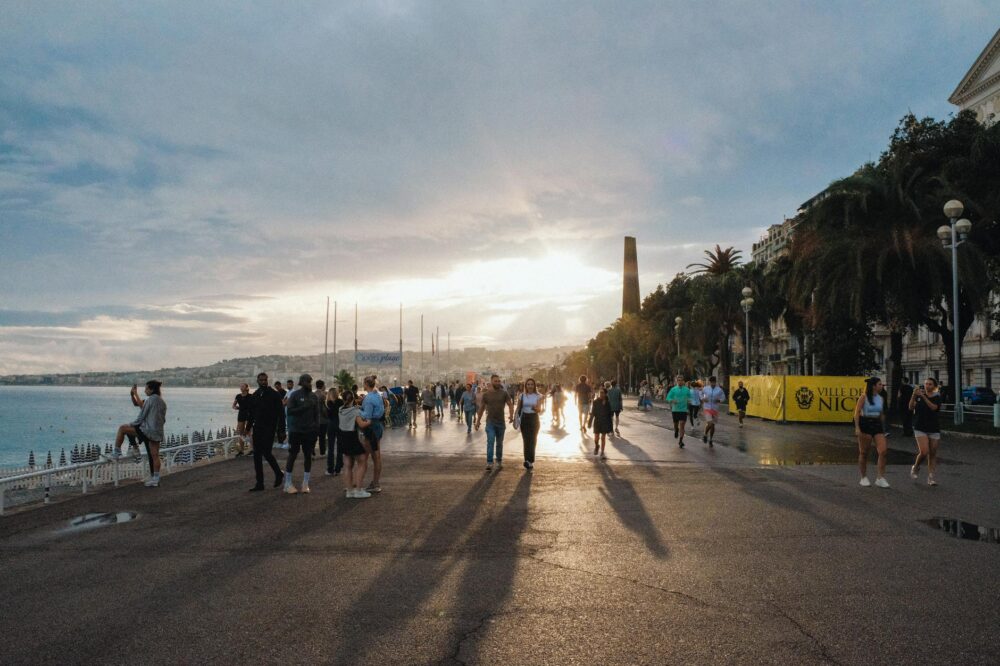
- Promenade des Anglais: A scenic seaside walkway just a 15-minute walk away.
- Old Town (Vieux Nice): Known for its narrow streets, markets, and restaurants.
- Musée Masséna: A museum dedicated to the history of Nice, located nearby.
Frequently Asked Questions About the Russian Orthodox Cathedral in Nice
Is the Russian Orthodox Cathedral in Nice the same as St. Nicholas Cathedral?
Yes, the official name is St. Nicholas Cathedral, and it is commonly referred to as the Russian Orthodox Cathedral in Nice.
Can I attend a service if I am not Orthodox?
Absolutely. Visitors of all faiths are welcome to attend services, but please remain respectful and avoid receiving communion.
How do I get to the cathedral by public transport?
Take tram line 1 to “Gare Thiers” or bus lines 4, 9, or 10 to “République.” The cathedral is a short walk from these stops.
Is there a gift shop?
Yes, a small shop sells icons, candles, postcards, and religious books.
What is the best time to visit?
Early morning or late afternoon to avoid crowds. Sunday afternoons are also quieter.
Is the cathedral accessible for people with disabilities?
The ground floor is wheelchair accessible, but the upper areas are not. Contact the cathedral in advance for assistance.
Practical Checklist for Your Visit
- Check opening hours online before going.
- Bring cash for admission and donations.
- Wear modest clothing; women bring a headscarf.
- Arrive early to avoid queues.
- Respect the quiet atmosphere during services.
- Take time to admire the iconostasis and frescoes.
Why the Russian Orthodox Cathedral in Nice Matters Today
The Russian Orthodox Cathedral in Nice is more than a tourist attraction; it is a living piece of history. It symbolizes the enduring connection between Russia and France, and it continues to serve a vibrant Orthodox community. Whether you are interested in architecture, history, or spirituality, a visit to St. Nicholas Cathedral offers a unique glimpse into the Russian soul on the French Riviera.

Is the cathedral open every day? I’m planning a trip in July and want to make sure I can visit.
Yes, the cathedral is open Monday through Saturday from 9:00 AM to 12:00 PM and 2:00 PM to 6:00 PM, and on Sundays from 1:00 PM to 6:00 PM. However, hours can change during religious holidays, so it’s best to check the official website before your visit.
Can I take photos inside the cathedral?
Photography is generally allowed inside, but without flash, and out of respect for worshippers. However, it’s best to check with staff upon arrival, as some areas or times may have restrictions.
I’m interested in the historical connection to the Russian nobility. Are there any artifacts or exhibits inside?
Yes, the cathedral interior features many icons and frescoes donated by Russian aristocrats. The iconostasis is particularly notable, and there are historical photographs and documents displayed in the adjacent parish hall on occasion.
The architecture sounds amazing. Are there guided tours available?
The article doesn’t mention guided tours specifically, but you can often find audio guides or informational brochures at the entrance. For a deeper experience, consider joining a small group tour offered by local operators.
What is the best time of day to visit to avoid crowds?
Weekday mornings right at 9:00 AM tend to be quieter. Also, visiting during the lunch break (12:00 PM to 2:00 PM) is not possible as the cathedral closes, so plan accordingly.
I’ve read that women should cover their heads. Are scarves provided at the entrance?
Yes, scarves are available at the entrance for women who need to cover their heads. Men are asked to remove hats before entering. It’s a respectful practice in Orthodox churches.