
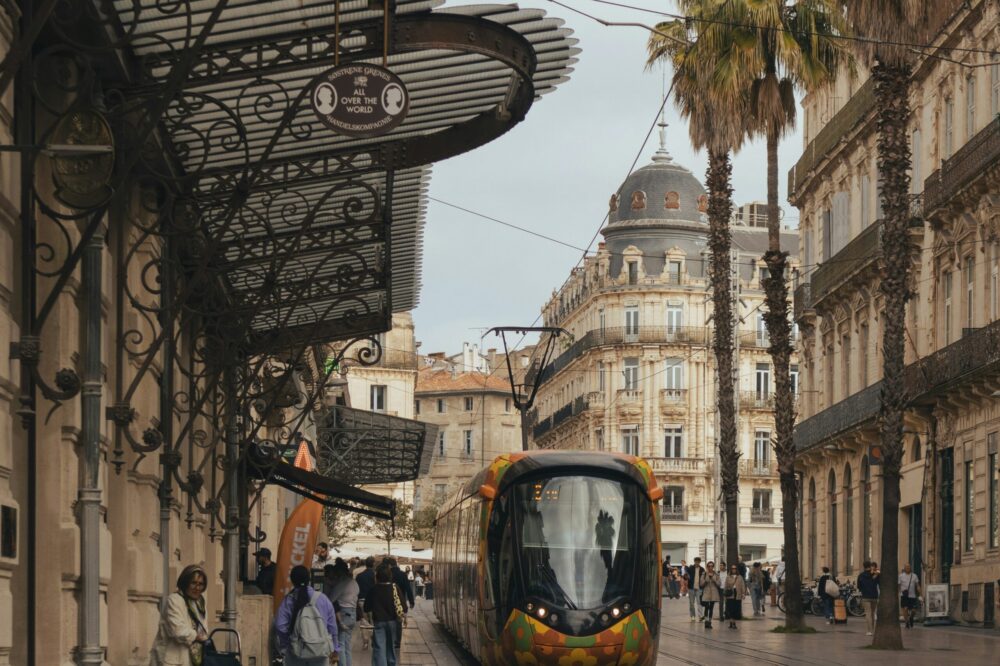
Montpellier in 2026 is a city of contrasts: medieval alleyways meet cutting-edge eco-districts, and vibrant student life blends with family-friendly calm. Whether you’re a first-time visitor or a returning traveler, knowing which neighborhoods to explore can make or break your trip. This guide covers the best areas to visit, eat, shop, and stay, with practical tips for 2026.
Table des matières:
1. Écusson: The Medieval Heart
Écusson is Montpellier’s historic center, a labyrinth of narrow cobblestone streets, grand mansions, and lively squares. In 2026, it remains the top destination for culture and nightlife.
What to See and Do
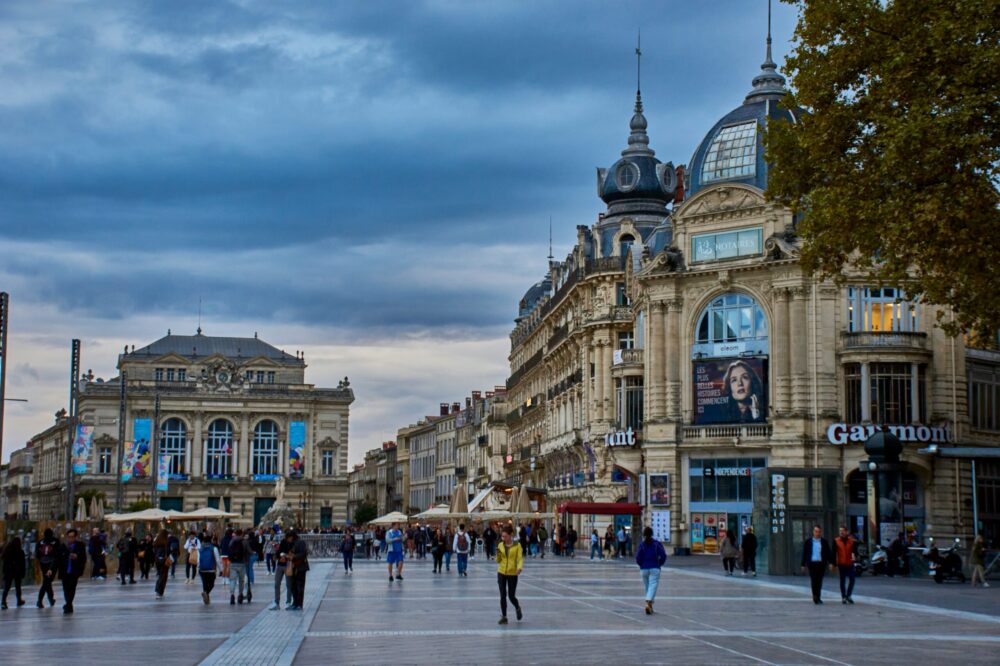
- Place de la Comédie: The central hub with the Opéra Comédie and endless cafés.
- Rue de l’Ancien Courrier: A charming street with boutique shops and street art.
- Saint-Pierre Cathedral: A stunning Gothic cathedral with a unique balcony.
- Le Mikvé: One of the oldest medieval Jewish baths in Europe, recently restored.
Where to Eat
Try Le Petit Jardin for traditional Languedoc cuisine or La Diligence for modern French tapas. For a quick bite, grab a tielle (spicy octopus pie) from a local bakery.
Best for
History buffs, foodies, and night owls. The area buzzes until late, especially around Place Jean Jaurès.
2. Antigone: Modernist Architecture by the Lez
Antigone is a striking neo-classical district designed by architect Ricardo Bofill. Its grand esplanade and symmetry offer a stark contrast to Écusson.
Why Visit in 2026
The district has matured with new shops and restaurants. The Esplanade de l’Europe hosts regular markets and events. Walk along the Lez river to the Parc du Peyrou for panoramic views.
Practical Tips
- Great for photography: the geometric lines and fountains are Instagram-worthy.
- Less crowded than Écusson, perfect for a relaxed stroll.
- Nearby tram stop: Antigone (Line 1).
Best for
Architecture lovers and families seeking space.
3. Les Beaux-Arts: Bohemian Vibes and Street Art
Les Beaux-Arts is the city’s artistic quarter, named after the nearby art school. It’s a haven for creatives, with colorful murals, indie boutiques, and alternative cafés.
Highlights
- Rue de la Fontaine: Lined with vintage shops and galleries.
- Place de la Chapelle Neuve: A quiet square with a weekly organic market.
- Le Rockstore: Legendary concert venue for live music.
Where to Eat
Le Barbotte serves creative vegetarian dishes, while La Pointe du Diable offers craft beer and burgers. Don’t miss the food trucks at Place Max Rouquette on weekends.
Best for
Artists, students, and anyone seeking an offbeat experience.
4. Port Marianne: The Eco-Friendly Waterfront
Port Marianne is Montpellier’s newest district, built around a lake and canal. It’s a model of sustainable urban living, with green spaces and modern amenities.
Why It’s Trending in 2026
The area has seen a boom in rooftop bars and riverside restaurants. The Parc Charpak is a favorite for families, with playgrounds and picnic spots. Rent a bike and cycle along the Lez to the sea.
Accommodation
Several new hotels have opened, including the Hotel Oceania and Appart’City, ideal for longer stays.
Best for
Eco-conscious travelers, joggers, and those who prefer modern comfort over historic charm.
5. Le Polygone: Shopping and Connectivity

Le Polygone is a major shopping mall area, but the surrounding streets are also worth exploring. It’s a transport hub, connecting tram lines and buses.
What’s Nearby
- Polygone Shopping Center: Over 100 stores, including French and international brands.
- Gare Saint-Roch: The main train station, with high-speed TGV to Paris.
- Esplanade Charles de Gaulle: A green promenade leading to the old town.
Mistake to Avoid
Don’t spend all your time in the mall—venture into the side streets for local bakeries and hidden courtyards.
Best for
Shoppers and transit users.
6. Les Aubes: Affordable and Authentic
Les Aubes is a multicultural neighborhood southeast of the center. It’s less touristy but full of character, with excellent North African and Asian cuisine.
What to Experience
- Marché des Aubes: A bustling market with fresh produce, spices, and textiles.
- Mosquée de la Miséricorde: A beautiful modern mosque.
- Rue de la Roqueturière: Known for its affordable eateries.
Safety Note
Les Aubes is generally safe, but be mindful of pickpockets in crowded markets. Stick to well-lit streets at night.
Best for
Budget travelers and food adventurers.
7. Montpellier’s Green Spaces: Where to Relax
Beyond neighborhoods, the city’s parks are essential for a balanced visit.
| Park | Location | Highlight |
|---|---|---|
| Parc du Peyrou | Near Écusson | Water tower and views of the city |
| Jardin des Plantes | Faculty of Medicine | One of France’s oldest botanical gardens |
| Parc Montcalm | Les Beaux-Arts | Quiet, with a small lake |
| Parc Charpak | Port Marianne | Modern playgrounds and sports fields |
8. Practical Checklist for Exploring Montpellier in 2026
- Transport: Buy a TaM pass for unlimited tram and bus rides (€1.60 per trip or €5 for a day pass). Trams run until 1am.
- Timing: Visit in spring (April-May) or fall (September-October) for mild weather and fewer crowds.
- Language: French is the norm, but many locals speak English. Learn basic phrases like bonjour and merci.
- Safety: Montpellier is generally safe, but avoid poorly lit areas at night, especially near the train station.
- Events: Check the city’s official calendar for festivals like the Festival de Montpellier Danse (June-July) or Comédie du Livre (May).
9. Frequently Asked Questions
Which neighborhood is best for nightlife?
Écusson, especially around Place Jean Jaurès and Rue de la Loge, has the highest concentration of bars and clubs.
Where should I stay for a family trip?
Port Marianne offers spacious apartments, parks, and safe streets. Antigone is also family-friendly with its wide esplanades.
Is Montpellier walkable?
Yes, the city center is compact and walkable. Use trams for longer distances to Port Marianne or Les Aubes.
What’s the best time to visit Montpellier in 2026?
April to June and September to October offer pleasant weather and fewer tourists. July and August are hot and crowded.
Are there any hidden gems I should know about?
Visit the Jardin du Château d’Eau for a quiet escape, or explore the Quartier des Écoles for student-friendly prices.
How do I get from the airport to the city?
Take the tram line 1 (navette) from Montpellier-Méditerranée Airport to Place de la Comédie in about 30 minutes. A taxi costs around €25.
10. Final Recommendations for Your 2026 Visit
To make the most of Montpellier in 2026, balance your itinerary: spend mornings exploring Écusson’s history, afternoons in Antigone’s modernity, and evenings in Les Beaux-Arts’ bohemian scene. Don’t skip Port Marianne for a taste of the city’s future. Pack comfortable shoes, a reusable water bottle (fountains are abundant), and an open mind. The best neighborhoods to explore in Montpellier are those that match your travel style—whether you seek culture, relaxation, or adventure. Bon voyage!
Photo by Davit Margaryan on Unsplash

Great overview! I’m a photographer and love street art. Would Les Beaux-Arts or Écusson have more murals and photo-worthy spots?
Les Beaux-Arts is definitely the hub for street art, with colorful murals on Rue de la Fontaine and surrounding streets. Écusson has some street art too, but its charm is more in historic architecture. For murals, go to Les Beaux-Arts; for classic shots, Écusson.
The article mentions Le Mikvé in Écusson. Is it open to the public in 2026, and do you need to book in advance?
Yes, Le Mikvé is open to the public, but visits are often guided and limited in capacity. It’s wise to book ahead, especially during peak season. Check the official tourism website for current hours and reservation details.
I’m planning a trip in spring 2026. Which neighborhood would be best for a family with young kids? We like quiet areas with parks.
For families with young kids, Port Marianne is excellent with its lake, parks like Parc Charpak, and safe pedestrian zones. Antigone is also spacious and less crowded, with easy tram access. Both offer a relaxed atmosphere.