

Paris is one of the most iconic cities in the world, but it’s also known for its high cost of living. As a student, managing your finances can feel overwhelming—but it’s absolutely possible to live well on a student budget. This guide will show you how to budget as a student in Paris with actionable strategies for housing, food, transportation, and more. Whether you’re planning to study abroad or already enrolled, these tips will help you stretch your euros without sacrificing experiences.
Table des matières:
Understanding Your Student Budget in Paris
Before diving into specifics, it’s crucial to know your baseline. A typical student budget in Paris ranges from €800 to €1,200 per month, depending on your lifestyle and whether you have a scholarship or part-time job. This includes rent, food, transport, utilities, and leisure. Let’s break it down.
Average Monthly Costs for a Student in Paris
| Expense Category | Estimated Cost (€) |
|---|---|
| Rent (shared apartment or studio) | 400–800 |
| Groceries | 200–300 |
| Transport (Navigo pass) | 75 (reduced rate for under 26) |
| Utilities (electricity, internet, phone) | 50–100 |
| Leisure & miscellaneous | 100–200 |
These numbers are estimates; actual costs vary. The key is to track your spending and adjust.
Housing: The Biggest Expense
Housing is your largest cost. To budget effectively, you need to find affordable accommodation. Here are your best options:
Student Residences (CROUS)
University-run residences (CROUS) offer studios or shared flats for as low as €200–€500 per month. Apply early—demand is high.
Shared Apartments (Colocation)
Renting a room in a shared apartment can cost €400–€700. Use websites like Appartager or Leboncoin. Pro tip: Look in outer arrondissements (12th–20th) or suburbs like Montreuil or Saint-Denis for lower rents.
Private Studios
A studio in central Paris can easily cost €700–€1,000. If you choose this, you’ll need to cut elsewhere. Consider a chambre de bonne (maid’s room) on a top floor—small but cheap (€300–€500).
Housing Assistance (APL)
Apply for APL (Aide Personnalisée au Logement) from CAF. You can receive €100–€200 per month, which significantly lowers your rent. Do this immediately after signing a lease.
Food: Eating Well on a Budget
Paris is a food lover’s paradise, but dining out daily will drain your budget. Here’s how to eat well without overspending.
Cook at Home
Shop at discount supermarkets like Lidl, Aldi, or Leclerc. A weekly grocery run for €40–€50 can cover breakfast, lunch, and dinner. Avoid Monoprix for staples—it’s pricier.
Student Restaurants (RU)
University restaurants (Resto U) offer full meals for €3.30 (subsidized). Check if your campus has one—it’s the cheapest way to eat out.
Market Shopping
Visit open-air markets like Marché d’Aligre or Marché Bastille for fresh produce at lower prices. Go near closing time for discounts.
Bread and Cheese Basics
A baguette costs €1, and a wedge of cheese is €3–€5. Combine with a simple salad for a cheap, delicious meal.
Transportation: Getting Around Cheaply
Paris has an excellent public transport system. As a student, you can get a reduced-rate Navigo pass.
Navigo Imagine R (Under 26)
This annual pass costs €350 (about €29/month) and covers unlimited travel in all zones. If you’re under 26, it’s a no-brainer. Alternatively, buy a monthly Navigo pass for €75.
Walking and Biking
Paris is walkable. Walking is free and healthy. Use Vélib’ bike-sharing (€30/year for students) for short trips. The first 30 minutes are free with a subscription.
Avoid Taxis and Ubers
These are expensive. Stick to public transport or walk.
Healthcare and Insurance
France has a universal healthcare system. As a student, you pay a CVEC fee (about €100/year) for access to student health services. Once registered, you get a Carte Vitale that covers 70% of doctor visits and prescriptions. Many students also buy mutuelle (top-up insurance) for €10–€30/month.
Entertainment and Leisure: Fun on a Shoestring
Paris offers countless free or cheap activities. Don’t let a tight budget stop you from enjoying the city.
Free Museums and Attractions
Many museums are free for EU residents under 26, including the Louvre (on first Saturday of month) and Musée d’Orsay. Check individual websites. Also, the Paris Museum Pass can be cost-effective if you visit many sites.
Parks and Gardens
Luxembourg Gardens, Tuileries, and Buttes-Chaumont are free. Perfect for picnics, reading, or people-watching.
Student Discounts
Always carry your student ID. You’ll get discounts at cinemas (€5–€7), theaters, and some restaurants. Use apps like UNiDAYS or Student Beans for online deals.
Nightlife
Skip expensive clubs. Instead, enjoy happy hours at student bars (e.g., in the Latin Quarter) or free events like concerts in parks.
Part-Time Jobs and Internships
Many international students work part-time to supplement their income. EU students can work up to 964 hours per year (about 20 hours/week). Non-EU students need a work permit but can work up to 60% of full-time (about 20 hours/week) after the first year.
Popular Student Jobs
- Babysitting (€10–€15/hour)
- Tutoring (€15–€25/hour, especially English)
- Hospitality (waitstaff, barista, €10–€12/hour)
- Au pair (room and board + pocket money)
Check job boards at your university or websites like Indeed and Jobetudiant.
Money-Saving Tips and Common Mistakes
Avoid these pitfalls to stay on track:
Common Budgeting Mistakes
- Not tracking spending: Use apps like Bankin’ or YNAB to monitor every euro.
- Ignoring hidden costs: Budget for phone plans (€10–€20 with Free or SFR), internet (€25–€35 shared), and laundry (€4–€6 per load).
- Eating out too often: Limit restaurant meals to once a week.
- Overspending on transport: Buy the Navigo pass instead of single tickets.
- Forgetting about CAF: Apply for housing aid as soon as you arrive.
Budgeting Tools and Apps
Leverage technology to simplify budgeting:
- Linxo: French app that syncs with your bank accounts.
- Bankin’: Tracks expenses and categorizes them.
- YNAB (You Need A Budget): Zero-based budgeting method.
- Excel/Google Sheets: Simple manual tracking.
Sample Monthly Budget for a Student in Paris
Here’s a realistic budget for a frugal student living in a shared apartment:
| Category | Amount (€) |
|---|---|
| Rent (shared, with APL deduction) | 350 |
| Groceries | 200 |
| Transport (Navigo Imagine R annual) | 29 |
| Utilities (shared) | 50 |
| Phone plan | 15 |
| Health insurance (mutuelle) | 20 |
| Leisure (cinema, café, museum) | 50 |
| Miscellaneous (toiletries, laundry) | 30 |
| Savings buffer | 50 |
| Total | 794 |
If your income is lower, cut leisure and buffer. If you earn extra, save or invest.
How to Budget as a Student in Paris: Actionable Checklist
Use this checklist to get started:
- [ ] Open a French bank account (e.g., BNP, Société Générale, or online like N26).
- [ ] Apply for CAF housing assistance immediately.
- [ ] Get a Navigo Imagine R pass if under 26.
- [ ] Sign up for a student health plan (CVEC).
- [ ] Find shared housing or CROUS residence.
- [ ] Set a monthly spending limit for each category.
- [ ] Track expenses with an app.
- [ ] Cook at least 5 days a week.
- [ ] Use student discounts everywhere.
- [ ] Look for a part-time job if needed.
Frequently Asked Questions About Student Budgeting in Paris
How much money do I need per month as a student in Paris?
You need at least €800–€1,000 per month to cover basic expenses, including rent, food, transport, and utilities. With housing aid and a frugal lifestyle, €700 can be enough.
Is it possible to live on €600 a month in Paris?
It’s very tight. You would need a heavily subsidized CROUS room (€200–€300) and strict budgeting. Most students find €600 insufficient unless they have additional income.
What is the cheapest area to live as a student in Paris?
Outer arrondissements like 13th, 18th, 19th, and 20th, or suburbs like Montreuil, Saint-Denis, and Ivry-sur-Seine offer lower rents. Good transport connections make them viable.
Can I work part-time as an international student in Paris?
Yes. EU students have no restrictions. Non-EU students can work up to 20 hours per week after their first year (with a work permit). Many find jobs in hospitality, tutoring, or babysitting.
How can I save money on groceries in Paris?
Shop at Lidl, Aldi, or Leclerc; avoid convenience stores. Buy seasonal produce at markets. Cook in bulk and freeze portions. Use the Too Good To Go app for discounted food from restaurants and bakeries.
Are there any free activities for students in Paris?
Absolutely. Free museum days, parks, street art in Belleville, free concerts at the Philharmonie (some), and walking tours. Check Que Faire à Paris for free events.
Final Tips for Budgeting Success in Paris
Living in Paris as a student is an unforgettable experience. With careful planning, you can enjoy the city without financial stress. Remember to review your budget monthly, take advantage of student perks, and always look for ways to save. Start by implementing one or two tips from this guide, then gradually adopt more. Mastering how to budget as a student in Paris is a skill that will serve you well beyond your studies. Bon courage!
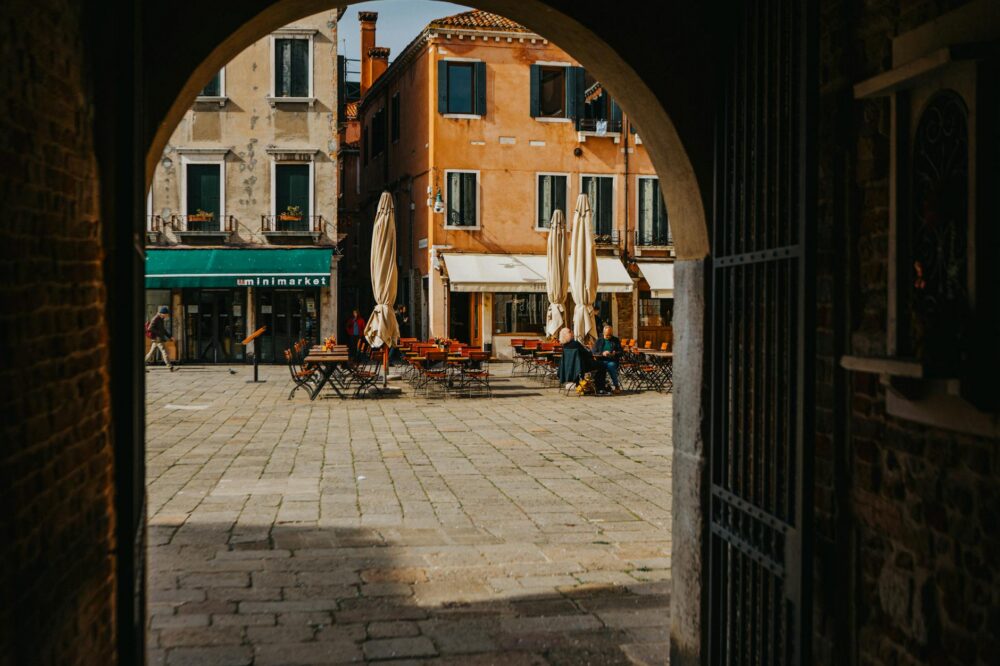
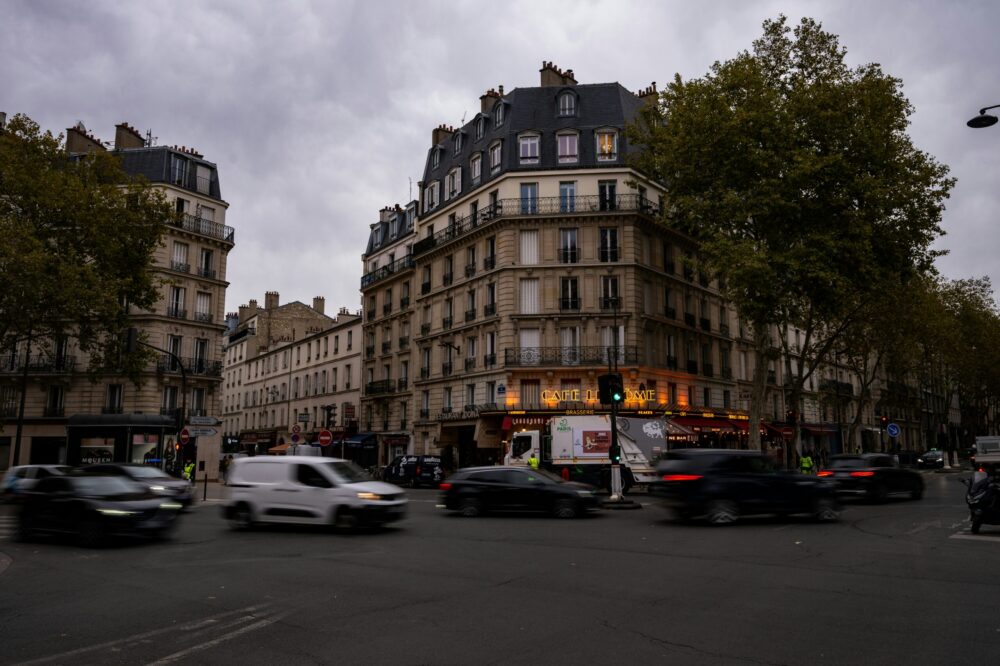
Photo by JOSE FERREIRA on Unsplash


I’ve heard about CROUS residences but they seem hard to get into. Any advice on increasing my chances of getting a room?
Yes, apply as early as possible—the deadline is usually in spring for the next academic year. Also, consider less popular locations like outer arrondissements or suburbs. Being flexible with your preferences can help. If you don’t get a spot, check the waiting list.
This is really helpful! I’m planning to study abroad in Paris next year. Could you clarify how to apply for the APL housing assistance? Do I need a French bank account first?
Great question! You can apply for APL through the CAF website after you have a signed lease. You’ll need a French bank account (RIB) to receive the payments, so open one as soon as you arrive. The process can take a few weeks, so apply immediately.
Is the Navigo pass really only 75 euros for students? I thought it was more expensive. Do I need to show proof of age or student status?
Yes, the Navigo pass for students under 26 is €75 per month (as of 2023). You need to provide proof of age and student status when purchasing. You can get it at any metro station with your student ID and a photo.
Thanks for the tip about outer arrondissements! I’m looking at Montreuil. Is the commute to central Paris manageable, and are there good student restaurants there?
Montreuil is well-connected by metro (line 9) and bus, so the commute is about 20–30 minutes to central Paris. There are a few student restaurants (RU) on nearby campuses, but you might need to travel to the closest university for the €3.30 meal. Overall, it’s a popular choice for students.
I’ve been living in Paris for a semester and I agree that cooking at home is key. But I’ve found that even at Lidl, prices have gone up. Any tips for saving on groceries beyond discount supermarkets?
Absolutely! Try shopping at local markets near closing time for discounts on produce. Also, consider joining a food co-op or buying in bulk with friends. Apps like Too Good To Go offer surplus food from restaurants and bakeries at reduced prices.
The budget range of €800-€1,200 seems tight for Paris. What about unexpected expenses like health insurance or a phone plan? Are those included?
Good point! The budget is for essentials; health insurance (mandatory for international students) costs around €200–€300 per year via student social security. A basic phone plan is about €15–€25 per month. We recommend setting aside €50–€100 monthly for unexpected costs.