

Table des matières:
Your Paris Study Abroad Packing Guide
Packing for a semester in Paris can feel overwhelming. You want to be prepared for the city’s chic lifestyle, unpredictable weather, and academic demands. This guide covers exactly what to pack for studying in Paris, from essential documents to wardrobe staples, so you can travel light and live comfortably.
Essential Documents and Academic Supplies
Before you start thinking about clothes, secure your paperwork. Missing a single document can delay your arrival or enrollment.
- Passport and visa: Keep them in a secure travel wallet. Make two photocopies and store separately.
- Acceptance letter and enrollment proof: You may need these for the OFII validation or to open a bank account.
- Housing contract and proof of residence: Required for administrative procedures.
- Health insurance documents: Bring your European Health Insurance Card (if applicable) and any private insurance certificates.
- Bank and credit cards: Notify your bank of travel plans. Bring at least two cards in case one is lost or blocked.
- Prescriptions and medications: Bring enough for the entire stay and a doctor’s note in French if possible.
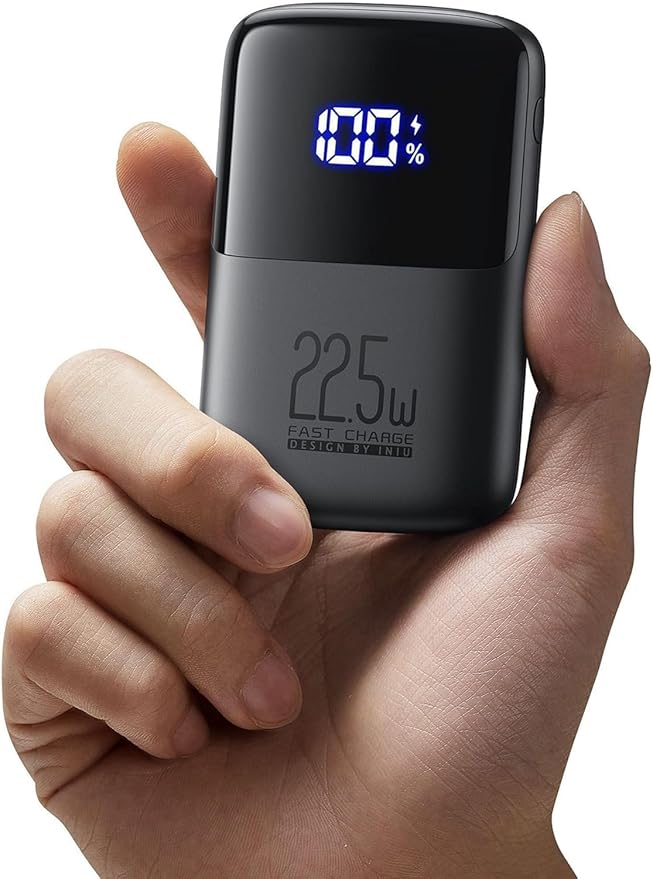
- Laptop and chargers: Don’t forget a universal adapter (France uses Type E sockets, 230V).
- Notebooks and pens: While you can buy them locally, having a few familiar items helps.
Wardrobe Essentials for Parisian Life
Parisians dress smartly but simply. Avoid overpacking trendy items; focus on versatile, high-quality basics that mix and match.
Seasonal Considerations
Paris has four distinct seasons. Check the average temperatures for your study period and pack accordingly.
| Season | Temperature Range | Key Items |
|---|---|---|
| Fall (Sept-Nov) | 10-20°C (50-68°F) | Light jacket, sweaters, scarf, closed-toe shoes |
| Winter (Dec-Feb) | 2-8°C (36-46°F) | Warm coat, gloves, hat, boots, thermal layers |
| Spring (Mar-May) | 10-18°C (50-64°F) | Raincoat, trench, cardigans, comfortable sneakers |
| Summer (Jun-Aug) | 18-30°C (64-86°F) | Light dresses, shorts, sandals, sun hat |
Core Wardrobe Checklist
- 2-3 pairs of jeans or trousers: Dark colors are versatile and less likely to show dirt.
- 5-7 tops: Mix of t-shirts, blouses, and sweaters in neutral tones.
- 1-2 jackets: A classic trench for spring/fall and a warm wool coat for winter.
- 1-2 dresses or skirts: For going out or class presentations.
- Comfortable walking shoes: You’ll walk a lot; invest in quality sneakers or flats.
- One pair of nicer shoes: For evenings or formal events.
- Scarf and accessories: A scarf is a Parisian staple; it can elevate any outfit.
- Underwear and socks: Bring enough for a week; you can wash regularly.
Practical Items for Daily Life
Beyond clothes, these items will make your transition smoother.
- Reusable shopping bag: Plastic bags are banned; you’ll need a tote for groceries.
- French power adapter and voltage converter: If your devices aren’t dual voltage, a converter is essential.
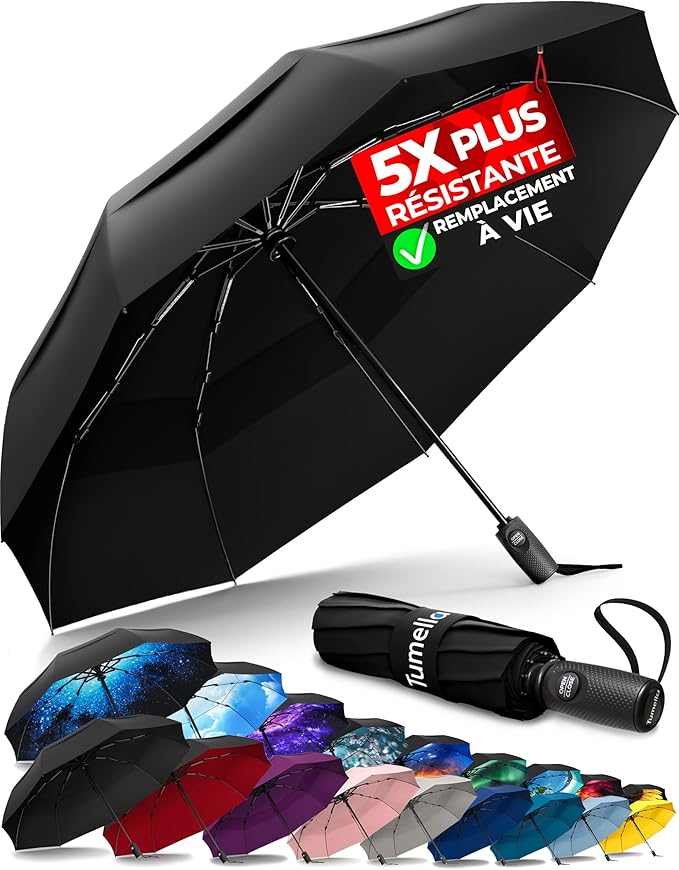
- Small umbrella: Rain is common; a compact umbrella fits in your bag.
- Lock for your luggage or dorm: Hostels and shared apartments often have lockers.
- First-aid kit: Include basics like band-aids, pain relievers, and antacids.
- Reusable water bottle: Tap water is safe; save money and reduce waste.
Mistakes to Avoid When Packing for Paris
- Overpacking shoes: Limit yourself to 3-4 pairs. You’ll likely buy more there.
- Bringing too many toiletries: Drugstores (pharmacies) are everywhere and sell familiar brands.
- Forgetting a daypack: A small backpack is perfect for daily excursions and class.
- Ignoring laundry options: Most residences have coin laundry; pack a small detergent packet.
- Packing valuables: Leave expensive jewelry or irreplaceable items at home.
What Not to Pack
Some items are bulky, unnecessary, or easily bought in Paris. Save space for souvenirs.
- Bedding and towels: Most dorms provide them; if not, buy cheap sets at Monoprix.
- Kitchen appliances: You can find affordable cookware at Tati or Gifi.
- Too many formal clothes: One outfit for special occasions is enough.
- Heavy books: Use e-books or library copies. Books are heavy and take up luggage space.
- Snacks from home: Paris has international grocery stores; you can find familiar foods.
Packing for the First Week
Your first week will be busy with orientation, registration, and exploring. Pack a separate bag or section with items you’ll need immediately:
- Change of clothes for 3-4 days
- Toiletries and medications
- Important documents (passport, visa, acceptance letter)
- Chargers and adapters
- Comfortable shoes for walking tours
Frequently Asked Questions About Packing for Study in Paris
Do I need a voltage converter for my electronics?
France uses 230V, 50Hz. If your device says “100-240V” (common for laptops and phone chargers), you only need a plug adapter. For items like hair dryers or straighteners, check the voltage; if it’s 110V only, you’ll need a converter.
Can I buy clothes in Paris easily?
Absolutely. Paris has countless shops from affordable chains (Uniqlo, Zara) to thrift stores. Packing light and buying a few local pieces is a smart strategy.
What type of bag is best for daily use?
A crossbody bag or small backpack is ideal. It keeps your hands free and is harder for pickpockets to access. Avoid large open totes.
Should I bring a raincoat or an umbrella?
Both. A light raincoat is good for drizzly days, while a compact umbrella handles downpours. Umbrellas are cheap in Paris, but it’s good to have one on arrival.
How much luggage should I bring?
One large suitcase (50 lbs max) and one carry-on (backpack or duffel) is sufficient. You’ll accumulate items during your stay, so leave room for return.
Is it worth bringing a reusable water bottle?
Yes. Tap water in Paris is safe and free. Many public fountains are available. You’ll save money and reduce plastic waste.
Final Packing Recommendations
Packing for Paris is about balancing practicality with style. Focus on versatile, comfortable items that suit the city’s walkable streets and changing weather. Remember that you can buy almost anything locally, so don’t stress if you forget something. Use this guide as a checklist, but adapt it to your personal needs. Bon voyage!
Photo by SOHAM BANERJEE on Unsplash




Great checklist! One thing I’m wondering about: do I really need a voltage converter, or will most modern chargers work with just an adapter?
Good question! Many modern laptop and phone chargers are dual voltage (100-240V), so you only need a plug adapter. Check the label on your device: if it says ‘INPUT: 100-240V,’ you’re fine with just an adapter. For hair dryers or other appliances, a converter is usually necessary.