
Table des matières:
Your Quick Guide to the Dutch BSN as a Student
If you’re moving to the Netherlands for studies, you’ll need a Dutch social security number – known as the Burgerservicenummer (BSN). This unique personal number is essential for opening a bank account, getting a job, registering with a doctor, and handling taxes. Without it, daily life becomes difficult. This guide explains exactly how to get your BSN as a student, whether you’re from the EU or outside it.
What Is a Dutch Social Security Number (BSN)?
The BSN is a citizen service number assigned to everyone who registers in the Dutch municipal personal records database (BRP). It’s used by government agencies, healthcare providers, employers, and financial institutions. Think of it as your Dutch identification number for administrative purposes.
Why You Need a BSN as an International Student
- Open a Dutch bank account – Most banks require a BSN.
- Get a part-time job or internship – Employers need your BSN for payroll and tax reporting.
- Register with a GP or health insurance – Healthcare providers ask for it.
- File taxes or receive benefits – The Belastingdienst uses your BSN.
- Sign a rental contract or utility agreement – Landlords may request it.
How Do I Get a Dutch Social Security Number as a Student? Two Main Pathways
Your method depends on your nationality and how long you’ll stay. The BSN is issued automatically when you register in the BRP at your local municipality (gemeente).
Pathway 1: EU/EEA or Swiss Students
If you’re from an EU/EEA country or Switzerland, you can register directly at the municipality after arriving. You do not need a residence permit, but you must have valid health insurance and sufficient funds.
Step-by-Step for EU Students
- Find your local municipality – Use the government website to locate the gemeente where you live.
- Make an appointment – Book online or by phone. Some cities allow walk-ins, but appointments are faster.
- Prepare documents: valid passport or EU ID, proof of address (rental contract or hotel confirmation), birth certificate (sometimes required), and proof of enrollment or acceptance letter from your educational institution.
- Attend the appointment – You’ll fill out a registration form (RNI or BRP). The officer will verify your documents and may ask about your stay duration.
- Receive your BSN – The number is given immediately on a printout, or sent by post within a few days. You’ll also get a proof of registration.
Pathway 2: Non-EU/EEA Students
Non-EU students must first obtain a residence permit for study purposes. The BSN is then issued during the registration process.
Step-by-Step for Non-EU Students
- Get your residence permit – Apply through the IND (Immigration and Naturalisation Service) before traveling. Your university usually helps.
- Register at the municipality – After arrival, make an appointment at the local gemeente. Bring: valid passport, residence permit (or proof of application), proof of address, birth certificate (legalized and translated if needed), and proof of enrollment.
- Complete the registration – You’ll be registered in the BRP. The BSN is issued during this process.
- Collect your BSN – You may receive it immediately or within a few days by post.
Documents You Need for BSN Registration
Always check with your municipality beforehand, as requirements vary slightly. Here’s a checklist:
- Valid passport or national ID (EU students) / passport with residence permit (non-EU)
- Proof of address: rental contract, subletting agreement, or hotel booking confirmation
- Proof of enrollment or acceptance letter from your Dutch educational institution
- Birth certificate (may be required; if so, it must be legalized and translated into Dutch, English, French, or German)
- Proof of health insurance (for EU students, a European Health Insurance Card may suffice; non-EU students need Dutch basic health insurance)
- Completed registration form (often available online)
Where to Register: Municipality or Expat Center?
Most students register at the local municipality. Some cities have expat centers that streamline the process for internationals. For example, Amsterdam, Rotterdam, The Hague, and Utrecht have dedicated desks. Check if your city offers this service – it can save time.
What If You Live in Multiple Cities or Move Frequently?
You must register at the municipality where you actually reside. If you move, you need to re-register. Your BSN stays the same for life, so you don’t get a new number. Simply update your address with the new municipality.
Common Mistakes to Avoid When Applying for a BSN
- Waiting too long – Register within the first few days of arrival. Some municipalities fine you if you delay beyond 5 days (for EU) or immediately after permit issuance (for non-EU).
- Incomplete documents – Double-check what’s needed. Missing a birth certificate can delay the process.
- Using a friend’s address without permission – The municipality may verify your residence. Only use an address where you actually live.
- Not bringing original documents – Copies are usually not accepted; bring originals and a photocopy.
- Ignoring health insurance requirements – EU students need valid coverage; non-EU students must have Dutch basic insurance. Without it, registration may be blocked.
What to Do If You Lose Your BSN or Need It Again
Your BSN is printed on your residence permit (non-EU) or on the registration certificate. If you lose it, request a new extract from the municipality (uittreksel BRP). This costs around €10-15. You can also find your BSN on official letters from the tax office or healthcare provider.
Frequently Asked Questions About the Dutch BSN for Students
Do I need a BSN to open a bank account in the Netherlands?
Yes, most Dutch banks require a BSN to open an account. Some digital banks like Bunq or N26 may allow registration with a passport and proof of address, but a BSN simplifies the process.
Can I get a BSN before arriving in the Netherlands?
No, you must be physically present to register at the municipality. However, you can pre-register online in some cities (like Amsterdam) to speed up the appointment.
Is the BSN the same as a tax number?
Yes, the BSN is used as your tax identification number in the Netherlands. You don’t need a separate tax number.
What if I’m only studying for one semester? Do I still need a BSN?
If you stay longer than 4 months, you must register and get a BSN. For shorter stays, you may not need one, but it’s still useful for opening a bank account or working part-time.
How long does it take to get a BSN?
At the appointment, you often receive the number immediately. If not, it arrives by post within 5 working days. Some municipalities mail it within 2 weeks.
Can I work without a BSN?
Legally, your employer needs your BSN to report your wages to the tax authorities. You can start working while waiting for the number, but you must provide it as soon as possible. Without a BSN, your employer may withhold a higher tax rate.
Practical Tips for a Smooth BSN Application
- Book your municipality appointment online before you arrive – slots fill quickly in student cities.
- Bring all documents in a folder – originals and photocopies.
- If your birth certificate is not in English, Dutch, French, or German, get a sworn translation.
- For non-EU students, ensure your residence permit application is approved before registering.
- Keep your BSN safe – you’ll need it for years to come.
Getting your Dutch social security number as a student is a straightforward process if you prepare in advance. By following the steps above and avoiding common pitfalls, you’ll have your BSN quickly and can start enjoying your studies in the Netherlands without administrative headaches.
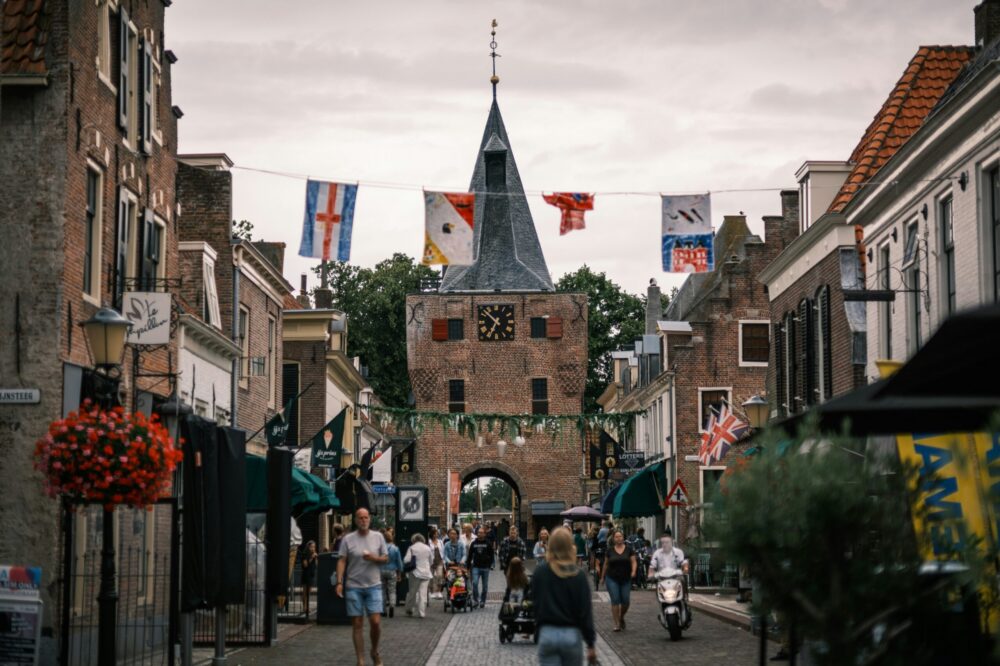
Photo by Haberdoedas II on Unsplash
I’m an EU student moving to Amsterdam next month. Do I really need a birth certificate for registration? The article says it’s sometimes required, but I’d like to know if it’s mandatory.
Great question! For EU students, a birth certificate is not always mandatory, but some municipalities do ask for it. To be safe, bring an official copy (with an apostille if from outside the EU) to your appointment. Check your specific gemeente’s website beforehand.