
Table des matières:
Montpellier’s Mediterranean Climate: What Students Can Expect
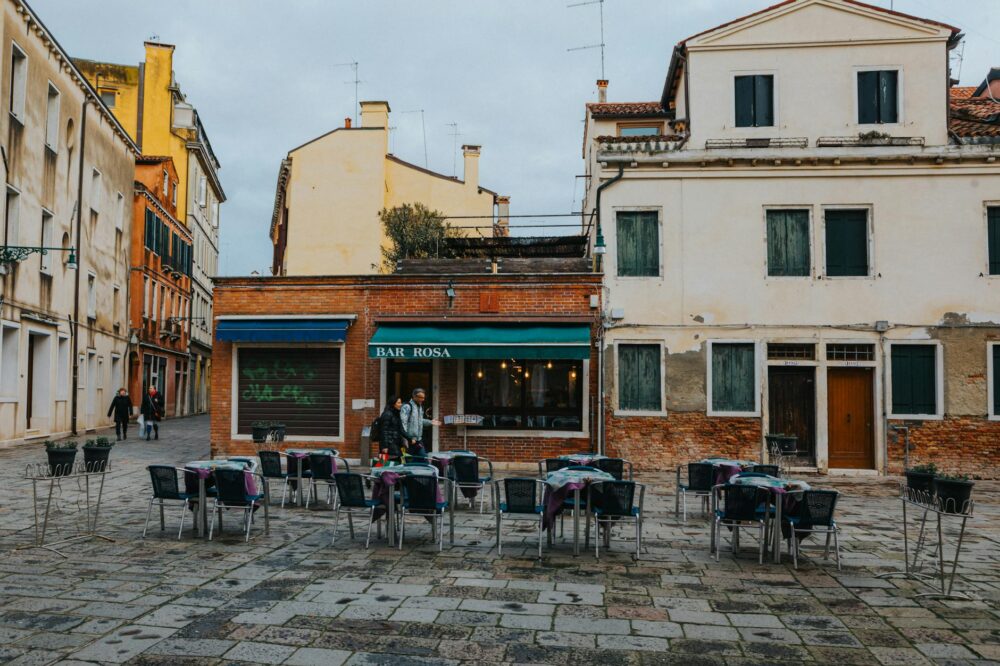
If you’re planning to study in Montpellier, one of the first questions you’ll likely ask is: What is the weather like in Montpellier for students? The short answer: it’s one of the sunniest cities in France, with over 300 days of sunshine per year. Montpellier enjoys a classic Mediterranean climate (Köppen classification Csa), characterized by hot, dry summers and mild, wet winters. For students, this means plenty of outdoor study sessions, vibrant terrace culture, and a generally pleasant environment year-round.
Seasonal Breakdown: From Sunny Summers to Mild Winters
Spring (March–May): Ideal for Outdoor Activities
Spring in Montpellier is a delight. Temperatures gradually rise from around 12°C (54°F) in March to 20°C (68°F) in May. Rainfall is moderate, but sunny days become more frequent. This is a perfect time for students to explore the city’s parks, like the Jardin des Plantes, or take weekend trips to the nearby Mediterranean beaches. The weather is comfortable for walking to classes and enjoying al fresco dining.
Summer (June–August): Hot, Dry, and Lively
Summers are hot and dry, with average highs between 28°C (82°F) and 32°C (90°F). July and August are the hottest months, occasionally exceeding 35°C (95°F) during heatwaves. The Mistral wind can provide some relief, but students should prepare for intense sun. Many university buildings have air conditioning, but student apartments often rely on fans or shutters. Summer is also the season for festivals, nightlife, and beach outings. If you’re sensitive to heat, choose accommodation with good ventilation or a pool access.
Autumn (September–November): Warm Start, Rainy Finish
September remains warm, often above 25°C (77°F), making it a great month for settling in. October sees temperatures drop to around 18°C (64°F), and November cools further to 12°C (54°F). Autumn is the wettest season, with occasional heavy downpours, especially in October. However, sunny spells still dominate. Students should keep an umbrella handy but can still enjoy outdoor activities until late October.
Winter (December–February): Mild and Damp
Winters are mild compared to northern Europe. Average highs hover around 12°C (54°F), and lows rarely drop below 3°C (37°F). Snow is extremely rare—maybe once every few years. Rain is common, but so are clear, sunny days. Students from colder climates will find winter quite manageable with a medium-weight jacket. Heating is essential in apartments, as dampness can make it feel chillier. The city’s indoor spaces, like libraries and cafés, are cozy retreats.
Monthly Weather Averages at a Glance
| Month | Avg High (°C) | Avg Low (°C) | Rainfall (mm) | Sunshine (hours) |
|---|---|---|---|---|
| Jan | 12 | 4 | 60 | 150 |
| Feb | 13 | 4 | 50 | 170 |
| Mar | 16 | 7 | 50 | 210 |
| Apr | 18 | 9 | 55 | 230 |
| May | 22 | 13 | 45 | 270 |
| Jun | 27 | 17 | 30 | 310 |
| Jul | 30 | 20 | 15 | 340 |
| Aug | 30 | 20 | 25 | 310 |
| Sep | 26 | 17 | 50 | 250 |
| Oct | 21 | 13 | 80 | 190 |
| Nov | 16 | 8 | 70 | 150 |
| Dec | 13 | 5 | 60 | 130 |
How the Weather Affects Student Life
Housing: What to Look For
Given the hot summers, students should prioritize apartments with good insulation, shutters, and preferably air conditioning. In winter, central heating or a reliable heater is important. Many older buildings in the city center have high ceilings that stay cool in summer but can be drafty in winter. Check for double-glazed windows and heating systems before signing a lease.
Transportation: Cycling and Walking
Montpellier is very bike-friendly, and the weather allows cycling almost year-round. Only heavy rain in autumn might discourage biking. The city’s tram system is efficient and air-conditioned. Students often walk between classes, so comfortable shoes are a must.
Clothing: Packing Tips
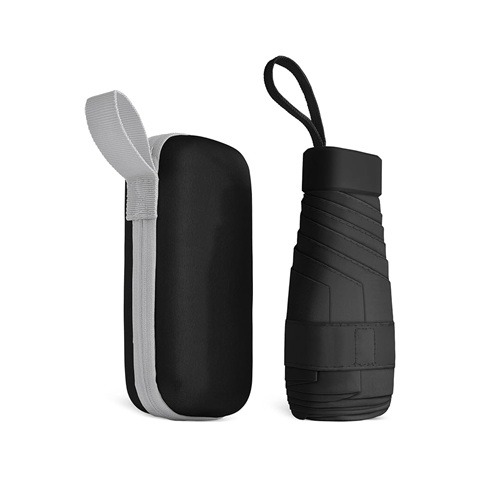
Layers are key. Summers require light clothing, sunscreen, and a hat. Winters need a waterproof jacket and sweaters. A sturdy umbrella is useful from October to April. Students from colder countries may overpack heavy coats; a medium-weight jacket suffices for most winter days.

Weather-Related Activities for Students
- Beach trips: The Mediterranean coast (Palavas-les-Flots, Carnon) is 20 minutes by bus. Best in summer and early autumn.
- Hiking: Pic Saint-Loup and the garrigue are great in spring and autumn when temperatures are mild.
- Outdoor studying: The Jardin des Plantes, Peyrou Promenade, and university gardens are perfect in good weather.
- Festivals: Montpellier’s summer festivals, like Festival de Radio France, take advantage of the warm evenings.
Common Mistakes Students Make About the Weather
Many students underestimate the summer heat. They arrive with only light clothing but forget that nights can be warm too (around 20°C), making sleep uncomfortable without a fan. Another mistake is assuming winter is cold like in northern France; it’s much milder, so heavy snow gear is unnecessary. Finally, some neglect the autumn rains—always have a waterproof layer handy.
Practical Checklist for Weather Preparedness
- ☐ Check if your accommodation has air conditioning or a fan.
- ☐ Bring a reusable water bottle to stay hydrated in summer.
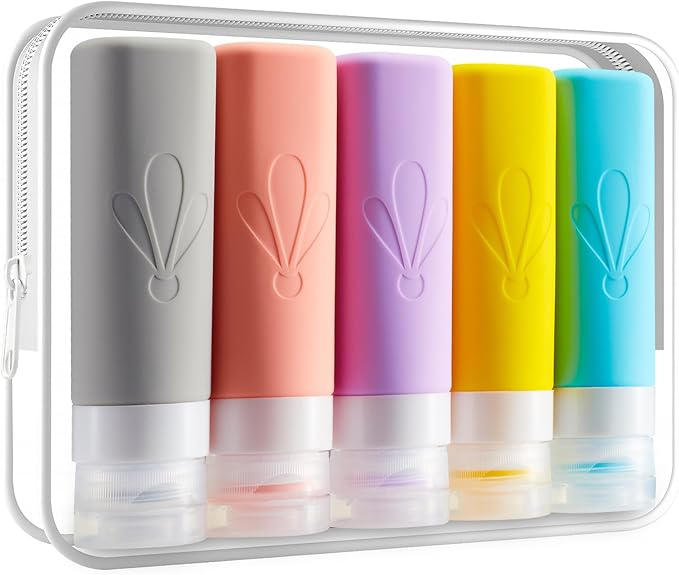
- ☐ Pack a light rain jacket and compact umbrella.
- ☐ Invest in sunscreen (SPF 30+) and sunglasses.
- ☐ Learn to use shutters to keep rooms cool during the day.
- ☐ Sign up for weather alerts (Météo-France app).
Frequently Asked Questions About Montpellier’s Weather for Students
Does it snow in Montpellier?
Snow is extremely rare. The city might see a light dusting once every few years, but it melts quickly. Students from snowy regions can leave their heavy boots at home.
Is the weather in Montpellier suitable for studying outdoors?
Absolutely. With over 300 sunny days, you can study in parks, cafés, or on the beach for most of the year. Only heavy rain or extreme heat might force you indoors.
What is the best time of year to move to Montpellier as a student?
Late August or early September is ideal. The weather is still warm, allowing you to explore the city and settle in before the academic year starts. You’ll also avoid the peak tourist crowds.
How humid is Montpellier?
Humidity is moderate. Summers can feel muggy near the coast, but the Mistral wind often dries the air. Winters are more humid, especially during rain.
Do I need air conditioning in my student apartment?
It’s highly recommended for summer comfort. Many apartments don’t have AC, but fans and strategic use of shutters can help. If you’re sensitive to heat, prioritize AC.
How does the weather affect the cost of living?
Utility bills can be higher in summer if you use AC, and in winter if you use heating. However, the mild climate generally reduces energy costs compared to colder regions. Students can save on winter clothing too.
Final Recommendations for Students Moving to Montpellier
Understanding what the weather is like in Montpellier for students is essential for a comfortable stay. The city’s Mediterranean climate offers a sunny, warm environment that enhances student life. To make the most of it, plan your wardrobe wisely, choose accommodation suited to the heat, and embrace outdoor activities. Whether you’re studying on a terrace under a clear sky or enjoying a beach sunset, Montpellier’s weather is a major asset for your student experience.
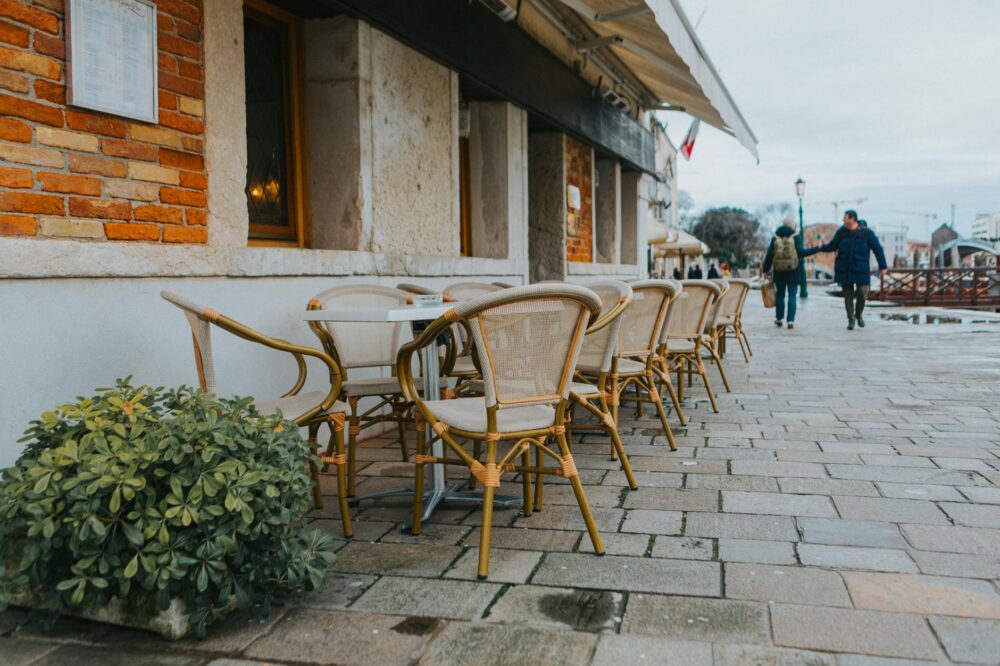
Photo by Helena Jankovičová Kováčová on Pexels


I’m from a colder country and worried about winter in Montpellier. You mention it’s mild, but is a medium-weight jacket really enough, or should I bring a heavier coat just in case?
Great question! A medium-weight jacket is generally sufficient for Montpellier’s winter, as temperatures rarely drop below 3°C. However, if you’re sensitive to cold or plan to travel to colder regions, a heavier coat could be useful. Layering is also a good strategy.