Absolutely — and for many travelers, they become one of the most memorable experiences in Paris. Paris flea markets are not just places to shop; they are cultural landmarks where history, design, and everyday Parisian life come together.
From antique furniture and vintage clothing to rare books and quirky collectibles, Paris flea markets offer a fascinating mix of treasures you won’t find in regular shops.
But are they really worth your time during a short trip? Let’s look at why so many visitors say yes.
Table des matières:
The Short Answer
🛍️ Unique vintage finds
🕰️ Historic markets with decades of history
🎨 Antiques, art, and collectibles
📸 Authentic Parisian atmosphere
Paris flea markets are part shopping trip, part cultural experience.
What Makes Paris Flea Markets Special?
Flea markets in Paris are known for their:
-
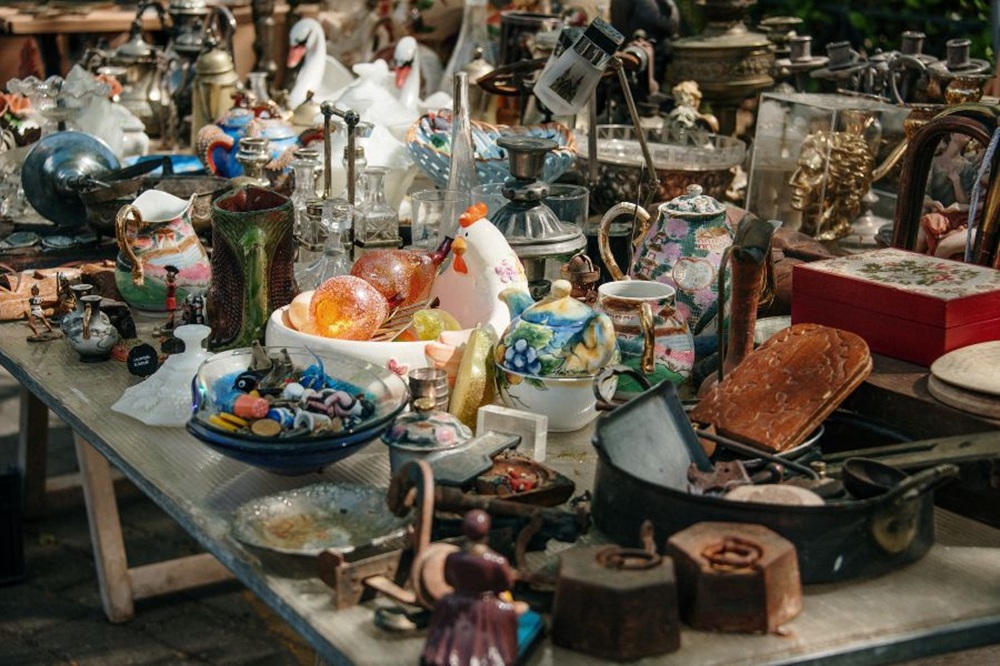
Antique furniture
-
Vintage fashion
-
Rare books and posters
-
Decorative objects
-
Retro collectibles
Many items are authentic pieces from French history, making them far more interesting than typical souvenir shops.
Even if you don’t buy anything, walking through these markets feels like exploring a museum of everyday life.
The Most Famous Flea Market in Paris
The most well-known flea market is:
Marché aux Puces de Saint-Ouen
Located just north of the city, it is:
-
One of the largest antique markets in the world
-
A collection of several different markets
-
Home to thousands of vendors
Visitors can find everything from vintage jewelry to Art Deco furniture.
Many designers and collectors visit regularly.
What Can You Buy at Paris Flea Markets?
You can discover an incredible variety of items, including:
-
Vintage clothing
-
Antique furniture
-
Old vinyl records
-
French posters and prints
-
Cameras and retro objects
-
Jewelry and watches
Some items are inexpensive curiosities, while others are high-end antiques.
There is something for every budget.
Are Flea Markets Expensive?
It depends on what you’re looking for.
Some stalls sell:
-
Affordable vintage items
-
Unique souvenirs
-
Decorative pieces
Others specialize in rare antiques that can be expensive.
Prices vary widely, which makes browsing part of the fun.
You can often negotiate politely with vendors.
Are Flea Markets Good for Souvenirs?
Yes — especially if you want something unique.
Instead of buying mass-produced souvenirs, you might find:
-
Vintage postcards
-
Old French magazines
-
Antique kitchenware
-
Retro Paris posters
These items carry a sense of history and character.
They make far more memorable souvenirs than typical tourist products.
When Are Flea Markets Open?
Most Paris flea markets operate mainly on weekends.
Typical opening days:
-
Saturday
-
Sunday
-
Monday (some markets)
Morning and early afternoon are the best times to visit.
Arriving early often means better finds.
Is It Easy to Reach the Markets?
Yes.
The Saint-Ouen flea market, for example, is accessible by metro and short walking distance from the station.
Many visitors combine the trip with exploring nearby neighborhoods.
Are Flea Markets Crowded?
They can be busy on weekends, especially during good weather.
However:
-
Large markets have many sections
-
It’s easy to explore quieter areas
-
Weekday openings (Monday) are often calmer
If you enjoy browsing slowly, plan a few hours.
Tips for Visiting Paris Flea Markets
To make the most of your visit:
✔ Bring cash (some vendors prefer it)
✔ Arrive early for the best selection
✔ Don’t hesitate to negotiate politely
✔ Take your time exploring different sections
✔ Look carefully at item condition before buying
Patience often leads to the best discoveries.
Final Answer: Are Flea Markets Worth Visiting in Paris?
Yes, flea markets in Paris are definitely worth visiting. They offer a unique mix of antiques, vintage fashion, collectibles, and historical objects that reflect the city’s rich cultural heritage. Markets like Marché aux Puces de Saint-Ouen provide an authentic shopping experience that goes far beyond typical tourist souvenirs.
In Paris, flea markets are not just places to shop.
They are places to discover stories hidden inside objects.