Table des matières:
What’s the Difference Between Metro and RER in Paris?
What’s the difference between Metro and RER in Paris?
If you’re visiting Paris, you’ll quickly notice two types of train lines on the transport map: the Metro and the RER. At first glance, they look similar — both run underground in parts of the city and both use stations and ticket gates. But they serve different purposes, cover different distances, and operate slightly differently.
Understanding the difference between Metro and RER will save you time, confusion, and possibly money during your trip.
The Short Answer
🚇 Metro = City transport (within Paris)
🚆 RER = Regional transport (city + suburbs + airports)
If you’re sightseeing within central Paris, you’ll mostly use the Metro.
If you’re going to the airport or outside the city center, you’ll likely use the RER.
Now let’s break it down properly.
What Is the Paris Metro?
The Paris Metro is:
-
The main underground transport system inside Paris
-
Dense and highly connected
-
Designed for short city trips
-
Numbered by lines (Line 1, Line 2, Line 14, etc.)
It has:
-
16 main lines
-
Stations close together
-
Frequent trains (every 2–4 minutes in central areas)
The Metro is perfect for:
-
Visiting landmarks
-
Moving between neighborhoods
-
Daily sightseeing
Think of it as your everyday city tool.
What Is the RER?
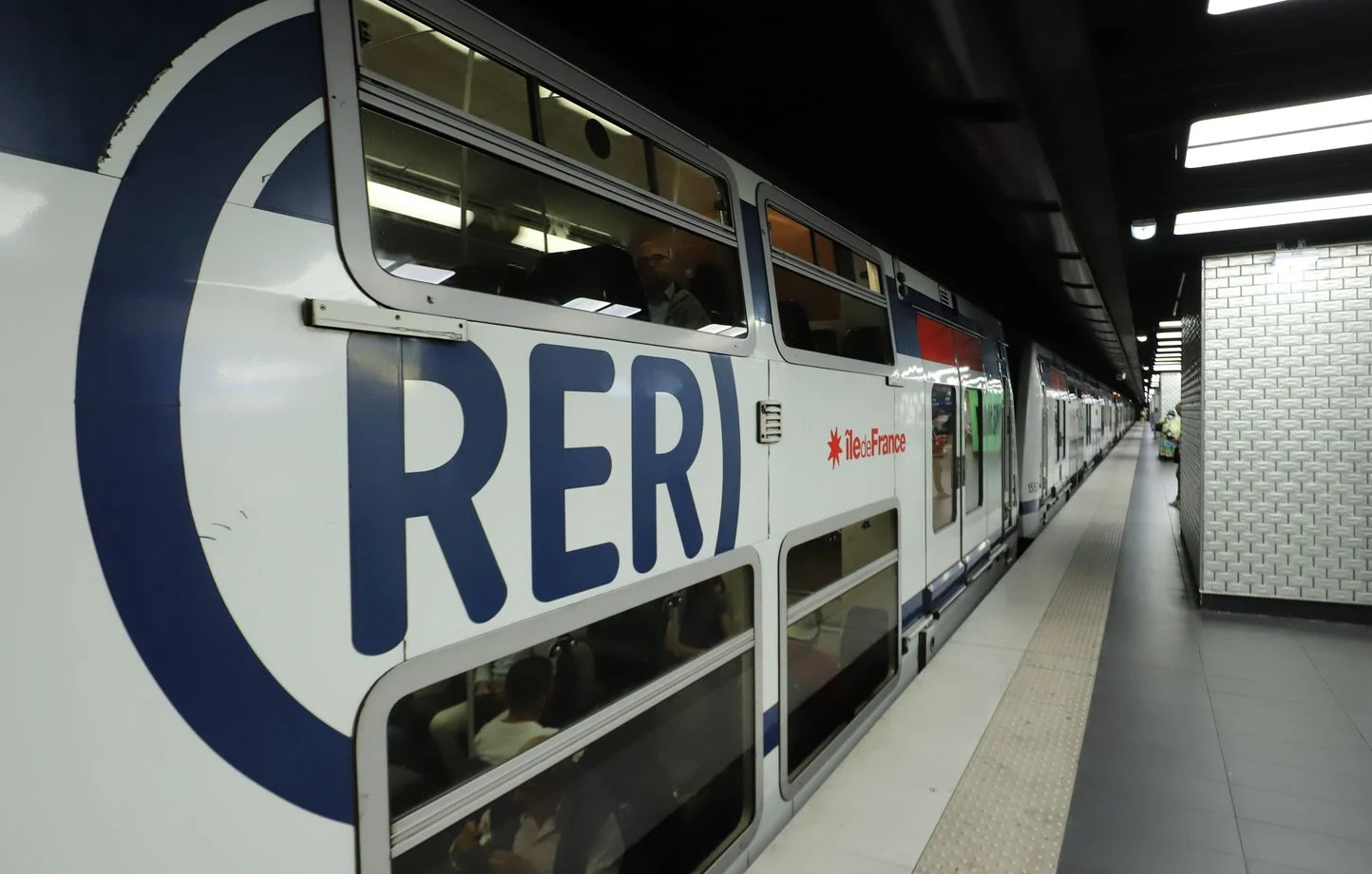
The RER (Réseau Express Régional) is:
-
A regional express train network
-
Faster and longer-distance
-
Serving both central Paris and outer suburbs
RER lines are lettered:
-
RER A
-
RER B
-
RER C
-
RER D
-
RER E
The RER connects Paris to:
-
Airports
-
Suburban towns
-
Business districts
-
Disneyland
-
Versailles
It’s built for longer journeys.
Speed and Distance: The Biggest Difference
Metro
-
Stops frequently
-
Covers short distances
-
Best within central Paris
RER
-
Stops less often
-
Covers longer distances
-
Faster between major points
If you’re traveling across the city quickly, the RER can sometimes save time — even within Paris.
Example: When You’d Use Each One
Use Metro if:
-
Going from Le Marais to the Eiffel Tower
-
Moving between neighborhoods
-
Exploring central districts
Use RER if:
-
Going to Charles de Gaulle Airport
-
Visiting Versailles
-
Traveling to Disneyland
-
Heading into suburbs
That’s the simplest way to think about it.
Stations: Do They Look Different?
Sometimes yes.
Metro stations:
-
Smaller
-
More compact
-
Closer together
RER stations:
-
Often larger
-
Deeper underground
-
Connected to major train hubs
Some major stations (like Châtelet–Les Halles) serve both Metro and RER.
Tickets: Are They the Same?
This is important.
For central Paris:
-
Metro and RER within central zones can often use similar tickets.
But if you travel outside central Paris:
-
RER requires special zone-based tickets.
-
Airport trips require specific fares.
Metro rides usually use flat fares.
RER rides may depend on distance.
Always check your destination zone before boarding RER.
Are RER Trains More Comfortable?
Generally, yes.
RER trains:
-
Are larger
-
Have more seating
-
Feel like commuter trains
Metro trains:
-
Are more compact
-
Designed for frequent short stops
For longer trips, RER feels more spacious.
Which Is Easier for Tourists?
Metro is usually easier.
Why?
-
Simpler routes
-
Shorter distances
-
Fewer zone concerns
-
Clear numbering system
RER is still manageable — but requires slightly more attention.
Is One Safer Than the Other?
Both are generally safe.
As with any big city transport:
-
Watch your belongings
-
Stay aware in crowded areas
-
Be mindful near airport routes
There is no major safety difference between Metro and RER.
Can You Transfer Between Metro and RER?
Yes.
Many large stations allow:
-
Metro ↔ RER transfers
-
RER ↔ train connections
Just follow signage carefully — some transfer corridors are long.
Common Tourist Mistakes
Avoid these:
-
Taking RER when Metro would be easier
-
Using Metro tickets for airport RER routes
-
Not checking final destination on RER line
-
Confusing RER letters with Metro numbers
Most confusion happens because travelers don’t realize the systems are different.
Quick Comparison Table (In Words)
Metro:
-
Numbered lines
-
Inside Paris
-
Short stops
-
Frequent trains
-
Flat fare
RER:
-
Lettered lines
-
Paris + suburbs
-
Fewer stops
-
Faster for long trips
-
Distance-based fare
Simple once separated in your mind.
Final Answer: What’s the Difference Between Metro and RER?
The Metro is Paris’s main city transport system, designed for short trips within the city, while the RER is a regional express network that connects Paris to suburbs, airports, and destinations outside the city center. The Metro is best for sightseeing within Paris; the RER is better for longer-distance travel.
Metro = inside the city.
RER = beyond the city.
Know that, and you’ll never mix them up again.