Last updated on February 10th, 2026 at 11:54 am
Table des matières:
Should I Visit Giverny in Paris?
Yes—Giverny is absolutely worth visiting, if you enjoy art, gardens, and peaceful places. Giverny is not about big attractions, fast sightseeing, or ticking boxes. It’s about slowing down, appreciating beauty, and experiencing one of the most influential artistic places in France.
This guide helps you decide whether Giverny truly fits your travel style, what you’ll see there, who will love it, who might not, and how it compares to other day trips from Paris.
What Is Giverny and Why Is It Famous?
Giverny is a small village best known as the home of Claude Monet, one of the founders of Impressionism.
Giverny is famous for:
-
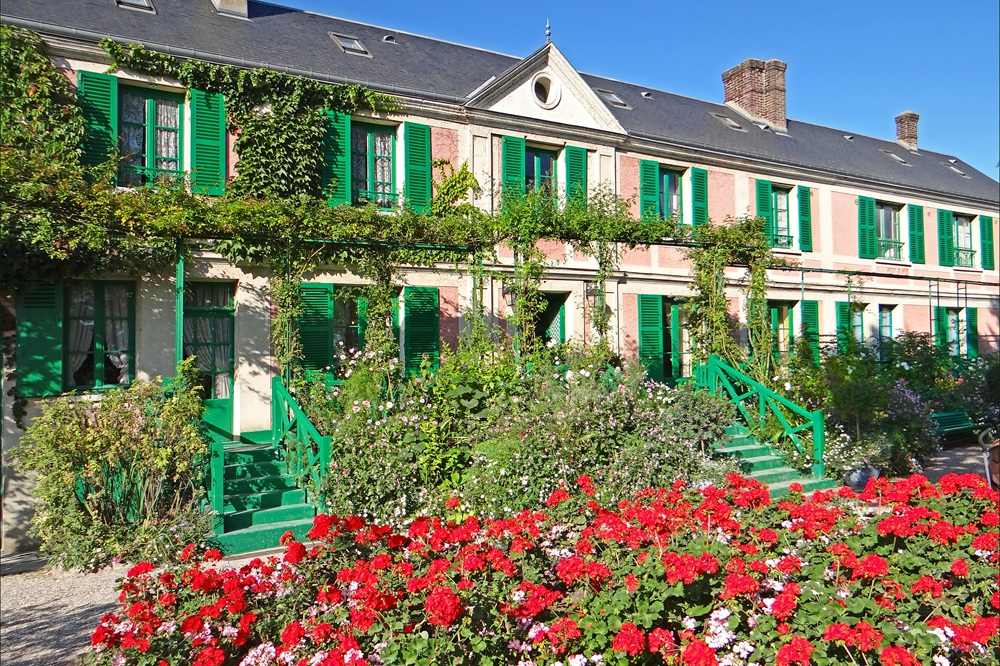
Monet’s house and gardens
-
The iconic water lily pond
-
Landscapes that inspired world-famous paintings
This is not a theme park or a large historic complex. It’s a quiet village built around art, light, and nature.
What Do You Actually See in Giverny?
Understanding the experience is key to answering should I visit Giverny.
Monet’s House
-
Preserved interiors
-
Monet’s studio
-
Personal spaces that feel intimate, not grand
The Gardens
-
Flower gardens with seasonal blooms
-
The Japanese bridge
-
The famous water lily pond
The Village
-
Small streets
-
Art shops and cafés
-
A relaxed countryside atmosphere
You don’t “rush” Giverny. You walk, stop, observe, and absorb.
Should I Visit Giverny as a Day Trip from Paris?
Yes—Giverny is one of the best and most manageable day trips from Paris.
-
Travel time: ~1.5 hours one way
-
Best as a half-day or relaxed full day
-
Easy to combine with lunch and a slow afternoon
Compared to longer trips like Normandy or Mont Saint-Michel, Giverny is gentle and realistic.
Who Will Love Visiting Giverny?
Giverny is perfect for you if you:
-
Love art or Impressionist paintings
-
Enjoy gardens and nature
-
Prefer calm over crowds
-
Like photography and slow travel
-
Are traveling as a couple
For these travelers, Giverny often becomes a highlight—not just a stop.
Who Might Not Enjoy Giverny?
You might skip Giverny if you:
-
Dislike quiet places
-
Want dramatic landmarks
-
Prefer busy cities and nightlife
-
Travel mainly with young children who get bored easily
Giverny is subtle. If you expect excitement, it will feel underwhelming.
Is Giverny Worth Visiting If I’m Not an Art Expert?
Yes—and this surprises many people.
You don’t need deep art knowledge to enjoy Giverny. The gardens alone are visually stunning, and the setting explains Monet’s work naturally. You feel why he painted what he painted.
Many visitors appreciate Giverny more after seeing it, even if they weren’t art lovers before.
Best Time of Year to Visit Giverny
Timing matters a lot.
Best Months
-
April to June
-
September
Why?
-
Gardens are in bloom
-
Fewer crowds than peak summer
-
Comfortable weather
Less Ideal Times
-
Mid-summer: crowded
-
Winter: gardens closed
Giverny is seasonal. Plan accordingly.
How Long Should You Spend in Giverny?
Most visitors spend:
-
2–3 hours at Monet’s house and gardens
-
1–2 hours walking, eating, and relaxing
That makes Giverny perfectly paced—not rushed, not exhausting.
Giverny vs Other Popular Day Trips
If you’re choosing between options:
-
Versailles: grand, crowded, dramatic
-
Fontainebleau: balanced history and nature
-
Giverny: peaceful, artistic, intimate
If you want calm and beauty, Giverny wins.
Common Mistakes Visitors Make in Giverny
Avoid these:
-
Rushing the visit
-
Going at peak midday in summer
-
Expecting a large town or city
-
Treating it as a checklist stop
Giverny rewards patience.
Is Giverny Worth Visiting with Limited Time in Paris?
This is the hardest decision.
If you have:
-
2–3 days in Paris: Maybe skip it
-
4–5 days or more: Giverny fits beautifully
Giverny works best when Paris isn’t rushed.
Final Verdict: Should I Visit Giverny?
Yes, you should visit Giverny if you value beauty, calm, art, and atmosphere over scale and spectacle.
It’s one of the most emotionally satisfying day trips from Paris—but only for travelers who appreciate subtlety.
Giverny doesn’t try to impress you loudly.
It invites you to slow down—and that’s exactly why it works.