

Table des matières:
The Quest for Authentic Turkish Tea in Istanbul
Turkish tea, or çay, is more than a beverage—it’s a ritual, a symbol of hospitality, and a daily staple. In Istanbul, tea houses, gardens, and street vendors serve millions of glasses each day. But where can you find the truly exceptional cup? This guide takes you beyond tourist traps to the city’s most authentic tea experiences.
What Makes Turkish Tea Special?
Turkish tea is typically black tea grown in the Rize region, brewed in a double-stacked kettle called a çaydanlık. The strong, dark brew is served in tulip-shaped glasses, often with sugar cubes. The taste is robust, slightly bitter, and always served hot. The key is freshness and the brewing technique—slow steeping over low heat.
Top Tea Gardens with a View
Çorlulu Ali Paşa Medresesi Çay Bahçesi
Hidden in the Grand Bazaar area, this historic tea garden offers a serene courtyard escape. The tea is strong and affordable, and the atmosphere is pure Istanbul. Pro tip: Go early morning to avoid crowds.
Pera Palace Hotel’s Tea Lounge
For a luxurious twist, visit the Pera Palace Hotel’s lobby tea lounge. They serve top-quality Rize tea with Ottoman-era elegance. It’s pricier, but the experience is unmatched.
Galata Bridge Tea Gardens
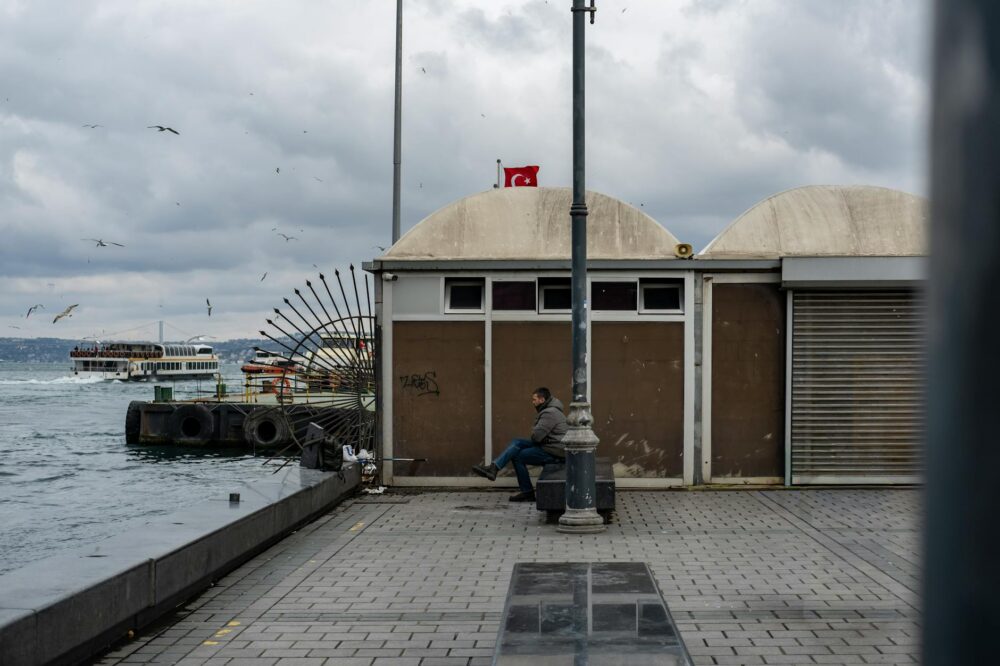
Under the Galata Bridge, floating tea gardens offer a unique setting with Bosphorus views. The tea is standard, but the ambiance—fishermen, seagulls, and ferries—makes it memorable.
Local Tea Houses Off the Beaten Path
Kadıköy’s Moda Tea Garden
On the Asian side, Moda’s seaside tea garden is a favorite among locals. It’s less touristy, with a relaxed vibe and excellent tea. Try their tavşan kanı (rabbit’s blood) tea, a term for the perfect dark red color.
Beşiktaş Çarşı Tea Houses
In Beşiktaş, small tea houses around the market serve strong, no-frills çay. These are where locals gather to discuss football and politics. The tea is cheap (around 5-7 TL) and always fresh.
Üsküdar’s Kanaat Lokantası
Though a restaurant, Kanaat Lokantası is famous for its tea service. Their tea is brewed in large samovars and served with homemade pastries. A true taste of old Istanbul.
Street Vendors and Simit Stalls
For a quick fix, look for tea vendors with large thermoses strapped to their backs. They roam near ferry docks and busy squares. A glass costs around 3-5 TL. Pair it with a simit (sesame bread ring) for the ultimate Istanbul snack.
How to Order Turkish Tea Like a Local
- Say “Bir çay lütfen” (One tea, please).
- Specify “açık” (light) or “koyu” (dark) depending on your preference.
- If you want sugar, say “şekerli”; otherwise, “şekersiz”.
- Don’t ask for milk—Turkish tea is never served with milk.
Best Times to Drink Tea in Istanbul
Tea is consumed all day, but locals often enjoy it after breakfast, mid-afternoon, and after dinner. The classic tea time is around 4-5 PM. Avoid asking for tea at a restaurant during lunch unless you see others doing it—it’s usually reserved for after meals.
Common Mistakes Tourists Make
- Expecting herbal tea: Turkish tea is almost always black tea. Herbal infusions are called bitki çayı.
- Asking for milk: This is a cultural faux pas.
- Rushing: Tea is meant to be sipped slowly. Don’t chug it.
- Ignoring the glass: The tulip shape is designed to show the color and keep the tea hot.
Where to Buy Turkish Tea to Take Home
If you want to brew authentic Turkish tea at home, visit the Spice Bazaar (Mısır Çarşısı) or any local grocery. Look for brands like Çaykur, Doğuş, or Filiz. Buy a çaydanlık set for the full experience.
Tea and Food Pairings
Turkish tea pairs wonderfully with:
- Simit (sesame bread)
- Börek (savory pastry)
- Baklava (sweet pastry)
- Kuru pastırma (dried beef)
Frequently Asked Questions
Is Turkish tea the same as chai?
No. Turkish tea is a specific black tea brewed in a çaydanlık, while chai can refer to various spiced teas in South Asia.
Can I get free tea in Istanbul?
Many shops offer free tea to customers, especially in the Grand Bazaar. It’s a gesture of hospitality, but you’re expected to browse.
Is Turkish tea caffeinated?
Yes, it contains caffeine similar to other black teas. It’s strong, so limit yourself if sensitive.
Where can I find the best Turkish tea in Istanbul at night?
Late-night tea houses in Taksim, Kadıköy, and Beşiktaş serve until early morning. Look for çay ocağı signs.
Do I need to tip for tea?
Not usually, but rounding up the bill is appreciated in sit-down places.
What is the difference between çay and apple tea?
Apple tea (elma çayı) is a sweet, non-caffeinated fruit infusion popular with tourists. Locals rarely drink it.
Final Tips for Your Tea Journey
To truly find the best Turkish tea in Istanbul, venture away from main squares. Follow locals, look for crowded tea gardens, and don’t be afraid to order a second glass. The best tea is often served in the simplest places. Enjoy your çay adventure!
Photo by Vlad Namashko on Unsplash
Thanks for the tip about the ‘tavşan kanı’ tea at Moda Tea Garden. What exactly does that mean and how do I order it?
Tavşan kanı literally means ‘rabbit’s blood’ and refers to the ideal dark red color of well-brewed Turkish tea. To order, simply say ‘Bir tavşan kanı çay lütfen’ or ask for ‘koyu’ (dark) tea. The Moda Tea Garden is known for this perfect brew.
I’ve heard that Turkish tea is never served with milk, but what about lemon? Is that ever added?
Traditionally, Turkish tea is not served with lemon either. Locals prefer it plain or with sugar cubes. Adding lemon is more common in other tea cultures, so it’s best to enjoy çay the traditional way for an authentic experience.
Great article! I’m planning a trip to Istanbul next month and really want to try authentic Turkish tea. Is the tea at Çorlulu Ali Paşa Medresesi Çay Bahçesi easy to find inside the Grand Bazaar?
Yes, it’s quite accessible. The tea garden is located in the courtyard of the Çorlulu Ali Paşa Medresesi, a historic building near the Grand Bazaar’s main entrance. Just ask any shopkeeper for directions to ‘Çorlulu’ and they’ll point you. Enjoy the serene atmosphere!