

London is an expensive city, but getting around doesn’t have to break the bank. The cheapest way to travel around London as a tourist is by using a combination of walking, buses, and an Oyster card or contactless payment for the Tube and trains. By avoiding taxis, single paper tickets, and unnecessary peak-hour travel, you can keep transport costs low while seeing all the major sights.
Table des matières:
Why Oyster Cards and Contactless Are Your Best Bet
For most tourists, the cheapest option for Tube, bus, tram, DLR, London Overground, and most National Rail services in London is an Oyster card or contactless payment (debit/credit card or mobile wallet). Both offer daily price capping, meaning you never pay more than a certain amount per day, regardless of how many journeys you make.
Oyster Card vs. Contactless: Which Is Cheaper?
They cost exactly the same for pay-as-you-go fares. Contactless is more convenient because you don’t need to top up or buy a card. However, if you don’t have a contactless card or phone, an Oyster card costs £7 refundable deposit (you get this back when you return the card) and you can add credit easily. Both cap daily and weekly fares automatically.
Daily and Weekly Price Caps (2025 Estimates)
| Zone | Daily Cap (Peak) | Daily Cap (Off-Peak) | Weekly Cap |
|---|---|---|---|
| Zones 1-2 | £8.50 | £7.00 | £42.00 |
| Zones 1-3 | £10.00 | £8.50 | £50.00 |
| Zones 1-4 | £12.50 | £10.50 | £62.00 |
Most tourist attractions are in Zones 1-2, so you’ll rarely pay more than £8.50 per day (off-peak: £7.00). If you travel only after 9:30 AM on weekdays or anytime on weekends, off-peak caps apply.
Buses: The Ultimate Budget Travel Option
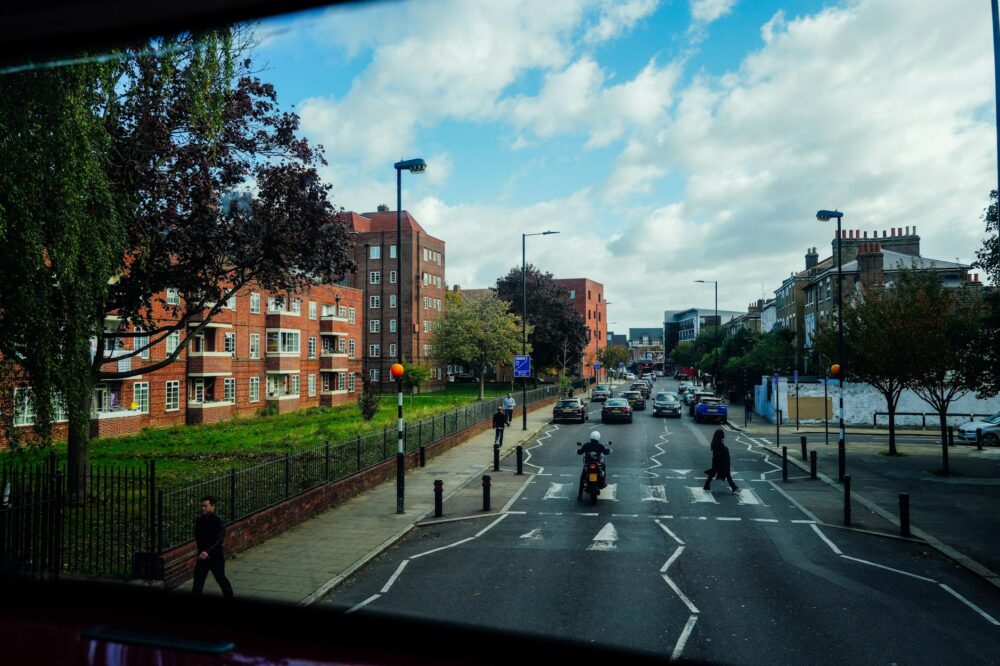
Bus journeys are incredibly cheap with Oyster or contactless: just £1.75 per ride, with a daily cap of £5.25 (as of 2025). That means you can take unlimited bus journeys for the whole day for less than a single Tube fare in peak hours. Buses also offer great sightseeing value – you can hop on a double-decker and see the city from above.
Bus Tips for Tourists
- Use the TfL Go app or Google Maps to plan routes – buses can be slower but are scenic.
- Always tap your card on the reader when boarding; you don’t need to tap off on buses.
- Night buses run 24/7 on many routes, making them a cheap alternative to night Tube or taxis.
Walking: Free and Often Fastest
Central London is surprisingly compact. Many major attractions are within walking distance of each other. For example, you can walk from the Tower of London to Westminster Bridge via the South Bank in about 45 minutes, passing Borough Market, Tate Modern, the Globe Theatre, and the London Eye along the way. Walking is free, healthy, and lets you discover hidden gems.
Pro tip: Combine walking with a bus ride. Walk between nearby sights, then take a bus for longer stretches. This keeps your daily cap low and you see more of the city.
When to Avoid the Tube (to Save Money)
The Tube is convenient but can be expensive if you travel during peak hours (6:30-9:30 AM and 4:00-7:00 PM weekdays). Peak fares are roughly 30% higher than off-peak. If you can, plan your journeys after 9:30 AM or on weekends. Also, avoid buying single paper tickets – they are the most expensive option.
Travelcards: Are They Worth It for Tourists?
Travelcards are paper tickets that give unlimited travel within certain zones for a day or week. They cost the same as the daily or weekly cap on Oyster/contactless, so they offer no savings. The only advantage is that you can buy them in advance, but you lose the flexibility of pay-as-you-go. For most tourists, Oyster or contactless is cheaper because you only pay for what you use.
Cheapest Way to Travel from London Airports to Central London


Getting into the city can be pricey, but budget options exist:
- Heathrow: Take the Tube (Piccadilly Line) – about £5.50 with Oyster/contactless (off-peak). The Heathrow Express is faster but costs £25+.
- Gatwick: Thameslink or Southern trains to London Bridge or Victoria – around £10-12 with Oyster/contactless if you have a contactless card (but note: Gatwick is outside the Oyster zone, so you may need a separate ticket). Cheapest: National Express coach for about £6-10.
- Stansted: National Express coach to Stratford or Victoria – around £10. The Stansted Express train is about £20.
- Luton: National Express coach or Thameslink train – both around £10-15.
- City Airport: DLR to Bank – cheap and integrated with Oyster.
Mistakes That Make Travel More Expensive
- Buying single paper tickets: A single Tube journey in Zone 1 can cost £6.70 cash vs. £2.80 with Oyster/contactless.
- Using Uber or taxis for short trips: A 10-minute Uber ride can cost £15-20, whereas the bus is £1.75.
- Not touching out on the Tube: If you forget to tap out on the yellow reader at the end of your Tube journey, you may be charged a maximum fare (up to £8.50). Always tap out.
- Traveling during peak hours unnecessarily: If you can shift your journeys by 30 minutes, you could save up to 30% per trip.
Practical Checklist for Budget Travel in London
- ☐ Get an Oyster card or use contactless (Apple Pay, Google Pay, or a contactless credit/debit card).
- ☐ Download the TfL Go app or Citymapper for real-time routes and fares.
- ☐ Walk between nearby attractions (e.g., Covent Garden to Leicester Square is a 5-minute walk).
- ☐ Use buses for longer distances – they’re cheap and offer great views.
- ☐ Avoid peak hours (6:30-9:30 AM, 4:00-7:00 PM weekdays).
- ☐ Always tap in and out on the Tube, DLR, and trains.
- ☐ Consider a River Bus for a scenic and affordable Thames ride (same Oyster fares as Tube).
- ☐ If staying a week, let the weekly cap work automatically – no need to buy a Travelcard.
Frequently Asked Questions
Is it cheaper to use an Oyster card or contactless?
They cost exactly the same. Contactless is more convenient because you don’t need to top up. Oyster requires a £7 deposit (refundable) and you must add credit.
Can I use my foreign credit card for contactless in London?
Yes, most international contactless cards work, but you may incur foreign transaction fees. Check with your bank. Apple Pay and Google Pay also work.
What is the cheapest way to get from Heathrow to central London?
The Tube (Piccadilly Line) is the cheapest, costing around £5.50 off-peak with Oyster/contactless. The Heathrow Express is faster but costs over £25.
How much does a bus ride cost in London?
A single bus journey costs £1.75 with Oyster/contactless, and the daily cap is £5.25. You can take unlimited bus rides within a day for that amount.
Do children get cheaper travel in London?
Yes. Children under 11 travel free on Tube, buses, and trains when accompanied by a paying adult. Children 11-15 can get a Young Visitor Discount on an Oyster card for half-price fares.
Is the London Pass worth it for transport?
The London Pass includes entry to attractions but not unlimited travel. You still need to pay for transport separately. It is rarely cheaper than Oyster/contactless unless you visit many paid attractions.
Your Cheapest Travel Plan: A Sample Day
Start your morning walking from your hotel to a nearby café. Use contactless to take a bus to the Tower of London (bus fare: £1.75). After visiting, walk along the South Bank to Borough Market and Tate Modern (free). Take another bus to Covent Garden (another £1.75). In the evening, use the Tube to go back to your hotel (off-peak, £2.80). Total transport cost: £6.30 – well under the daily cap. You’ve seen multiple attractions, enjoyed the city, and spent less than a single taxi ride.
By following these tips, you’ll experience London affordably and efficiently. Remember: the cheapest way to travel around London as a tourist is to combine walking, buses, and Oyster/contactless, avoiding peak hours and single paper tickets. Enjoy your trip!
Photo by Lex Brogan on Unsplash



Great article! I always wondered about the daily cap. So if I use contactless, it automatically stops charging after the cap?
Exactly. With contactless or Oyster, the system tracks your journeys and once you hit the daily cap (e.g., £8.50 for Zones 1-2 peak), no further charges apply for the rest of the day. Just remember to use the same card or device for all journeys.
I’m planning a trip with my kids. Do children get any discounts on buses and Tube?
Children under 11 travel free on buses and Tube when accompanied by a paying adult. For ages 11-15, you can get a child Oyster card for half-price fares. You can also add a child discount to an adult Oyster at a Tube station.
Is it true that you can use contactless from a foreign bank card without extra fees?
Yes, most foreign contactless cards work on TfL, but check with your bank for foreign transaction fees. Using a card with no foreign fees is ideal, otherwise an Oyster card might be cheaper.
I’ll be staying in Zone 3. Would it still be cheaper to use buses or should I get a travelcard?
For Zone 3, a daily bus cap is only £5.25, while a Zone 1-3 Tube cap is £10.00 peak. If you use buses mostly, you’ll save money. But if you need the Tube, pay-as-you-go with Oyster/contactless caps automatically, so no need for a separate travelcard.
What about the hop-on hop-off bus tours? Are they worth it compared to regular buses?
Regular buses are much cheaper—£1.75 per ride with a £5.25 daily cap. Hop-on hop-off tours cost around £30-£40 per day and include a commentary. For budget travel, stick to regular buses and use a free audio guide app instead.