Last updated on February 10th, 2026 at 11:55 am
Table des matières:
Is It Better to Stay on the Left Bank or Right Bank?
Is it better to stay on the Left Bank or Right Bank? (If you don’t know what Left Bank and Right Bank mean,
click here and read the related article to learn more.)
The honest answer is: neither is universally better. It depends on what kind of trip you want, how you like to move around, and what you want Paris to feel like when you step outside your hotel.
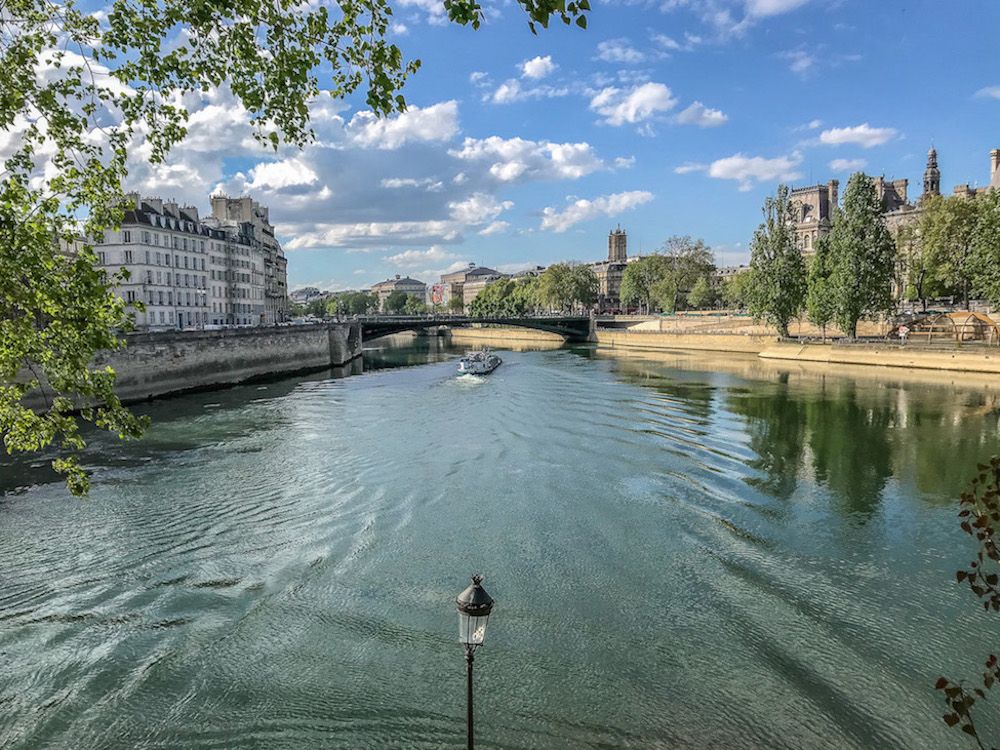
Paris is divided by the Seine River into two halves:
-
The Left Bank (Rive Gauche)
-
The Right Bank (Rive Droite)
Both are in Paris, both are safe, beautiful, and well-connected, and both can be perfect or frustrating depending on your expectations. This guide breaks down the differences clearly so you can choose with confidence.
What Do “Left Bank” and “Right Bank” Mean?
The terms are literal.
-
The Left Bank is the southern side of the Seine River
-
The Right Bank is the northern side
Left and right are defined facing downstream, not by standing on a bridge and guessing.
This division matters culturally, historically, and practically.
The Left Bank: Intellectual, Calm, and Classic Paris
The Left Bank has long been associated with writers, artists, philosophers, and students.
What the Left Bank Feels Like
-
Calm and refined
-
Café culture
-
Bookshops and universities
-
Slower pace
Famous Left Bank areas include:
-
Saint-Germain-des-Prés
-
Latin Quarter
-
Parts of the 6th and 5th arrondissements
Pros of Staying on the Left Bank
-
Romantic and traditional atmosphere
-
Walkable streets and river views
-
Excellent cafés and cultural sites
-
Quieter evenings
Cons of Staying on the Left Bank
-
Fewer nightlife options
-
Some areas feel sleepy at night
-
Often more expensive for hotels
Best For
-
Couples
-
First-time visitors who want “storybook Paris”
-
Cultural travelers
-
Slower, relaxed trips
If you imagine sitting at a café with a book and no urgency, the Left Bank will feel right.
The Right Bank: Lively, Central, and Dynamic
The Right Bank is more energetic and varied.
What the Right Bank Feels Like
-
Busy and vibrant
-
Trendy neighborhoods
-
Shopping and nightlife
-
Faster pace
Well-known Right Bank areas include:
-
Le Marais
-
Louvre / Les Halles
-
Opera / Grands Boulevards
-
Parts of the 1st, 2nd, 3rd, and 4th arrondissements
Pros of Staying on the Right Bank
-
More central for sightseeing
-
Better nightlife and dining variety
-
Excellent transport connections
-
Easier access to major attractions
Cons of Staying on the Right Bank
-
Can be noisy
-
Busier streets
-
Some areas feel crowded
Best For
-
First-time tourists with packed itineraries
-
Younger travelers
-
Shoppers and food lovers
-
Short stays
If you want to see a lot in a short time and stay out late, the Right Bank is very forgiving.
Which Side Is More Central?
Technically, the Right Bank is slightly more central for major attractions.
Many iconic sights cluster there:
-
Louvre area
-
Le Marais
-
Major shopping streets
But the difference is small. Paris is compact, and crossing the river takes minutes on foot or by Metro.
Is One Side Safer Than the Other?
No meaningful difference.
Both the Left Bank and Right Bank are:
-
Generally safe
-
Well-lit
-
Heavily used by locals and tourists
Safety depends more on:
-
Specific neighborhood
-
Time of day
-
Awareness
Choosing one bank over the other for safety reasons alone is unnecessary.
Transport: Does the Bank Matter?
Not much.
Paris public transport:
-
Crosses the river constantly
-
Is dense on both sides
-
Makes moving between banks easy
You will cross the Seine daily no matter where you stay. The city expects this.
Cost Differences: Left Bank vs Right Bank
Prices vary more by neighborhood than by bank.
That said:
-
Left Bank hotels tend to be slightly more expensive and traditional
-
Right Bank has more variety, including mid-range and boutique options
Budget travelers can find good options on both sides if they look beyond the most famous streets.
Which Bank Is Better for Walking?
Both are excellent.
-
The Left Bank offers long riverside walks and calm streets
-
The Right Bank offers dense sightseeing routes and lively neighborhoods
Walking between banks is one of the pleasures of Paris, not an inconvenience.
Left Bank or Right Bank for First-Time Visitors?
Here’s the simplified answer most people want.
-
Want classic, calm, romantic Paris? → Left Bank
-
Want central, lively, efficient sightseeing? → Right Bank
If you’re undecided, the Right Bank (especially Le Marais) is often the safest all-around choice.
Common Mistakes Tourists Make Choosing a Bank
Let’s avoid disappointment.
Mistakes to Avoid
-
Thinking one bank is “far” from the other
-
Choosing based only on stereotypes
-
Ignoring Metro access
-
Assuming quieter means better
-
Assuming lively means chaotic
Paris is balanced. Extremes are rare.
So, Is It Better to Stay on the Left Bank or Right Bank?
There is no objectively better bank in Paris.
There is only the bank that fits your travel style.
-
Choose the Left Bank for romance, calm, and classic atmosphere
-
Choose the Right Bank for energy, centrality, and variety
Whichever you choose, you will cross the river often, enjoy both sides, and probably argue about this later like everyone else.
Paris doesn’t force you to choose sides. It lets you enjoy both.