Last updated on February 10th, 2026 at 11:55 am
Table des matières:
What Is an Arrondissement?
What is an arrondissement?
In Paris, an arrondissement is an administrative district, similar to a borough or city district. Paris is divided into 20 arrondissements, each with its own character, number, and local administration.
If you’re visiting Paris, understanding arrondissements makes everything easier. Hotel locations, addresses, neighborhoods, transport, and even prices suddenly start making sense instead of looking like a random list of numbers.
What Does “Arrondissement” Actually Mean?
The word arrondissement comes from French and roughly means “district” or “administrative division.”
In Paris:
-
Arrondissements are official city divisions
-
Each one has its own town hall (mairie)
-
Each one has a number from 1 to 20
-
Each one has a distinct personality
So when someone says “I’m staying in the 6th arrondissement,” they’re telling you exactly where they are in the city and what kind of area it is.
How Many Arrondissements Are There in Paris?
Paris has 20 arrondissements.
They are numbered:
-
From 1 to 20
-
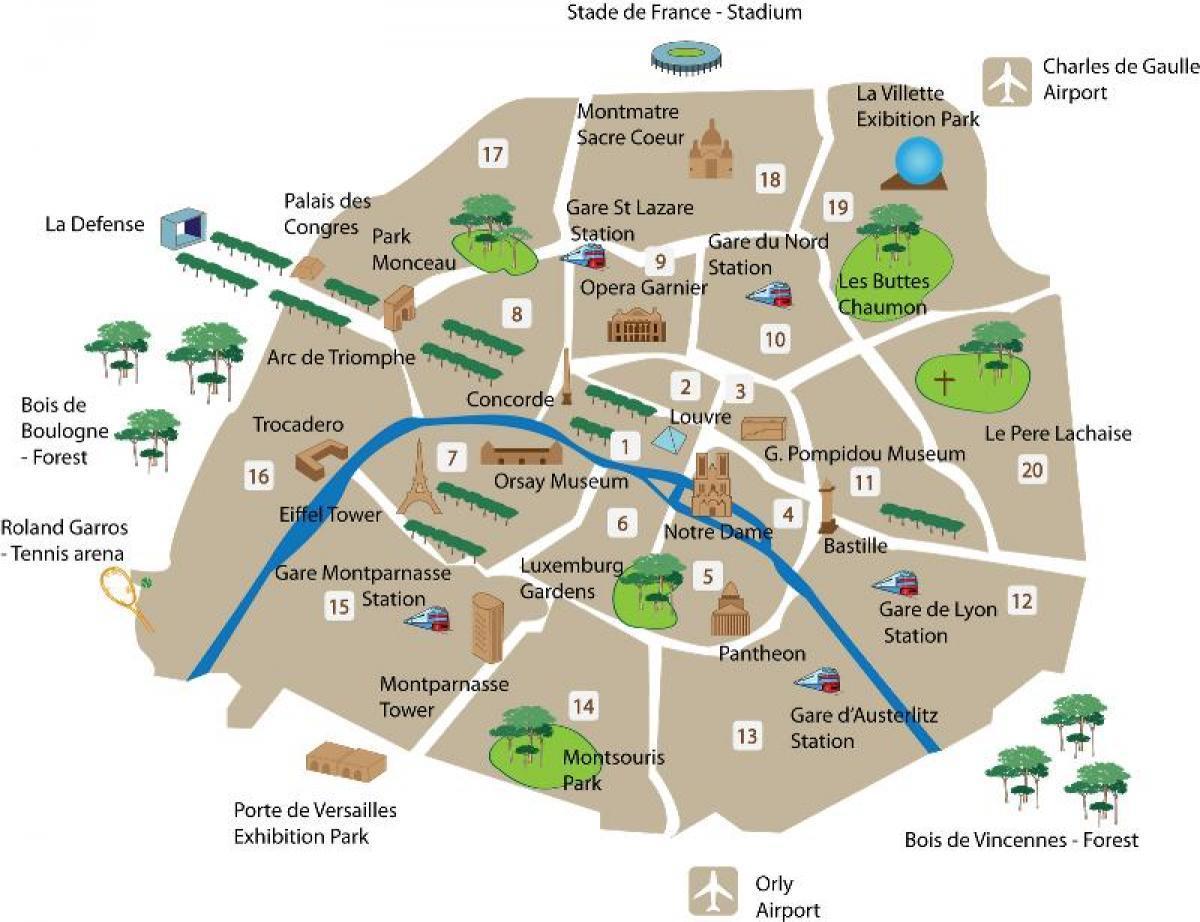
In a spiral shape, starting from the center of the city and moving outward clockwise
This spiral layout is often compared to a snail shell. Once you see a map, it clicks immediately.
Lower numbers = more central
Higher numbers = more residential and outer areas
But central does not always mean better. It depends on what you want.
What Is the 1st Arrondissement?
The 1st arrondissement is the historic heart of Paris.
It includes:
-
The Louvre area
-
Central Paris landmarks
-
Very walkable streets
It’s small, central, and expensive. Great to visit. Not always the best place to stay.
What Are Arrondissements Used For?
Arrondissements are used for:
-
Addresses
-
Postal codes
-
Administrative services
-
Neighborhood identity
-
Real estate pricing
For example, Paris postal codes end with the arrondissement number:
-
75001 = 1st arrondissement
-
75006 = 6th arrondissement
-
75018 = 18th arrondissement
This is not decorative. It’s practical.
Are Arrondissements the Same as Neighborhoods?
Not exactly.
-
Arrondissement = official administrative district
-
Neighborhood = cultural or informal area
An arrondissement can contain multiple neighborhoods.
For example:
-
The 4th arrondissement includes parts of Le Marais
-
The 18th includes Montmartre
Tourists often mix these terms. Locals usually don’t.
Do Arrondissements Matter for Tourists?
Yes. A lot.
Arrondissements affect:
-
Hotel prices
-
Walkability
-
Noise levels
-
Transport access
-
Overall experience
Staying in the “wrong” arrondissement doesn’t mean danger. It usually means inconvenience or longer travel times.
Which Arrondissements Are Best for Tourists?
There’s no single best one, but some are consistently popular.
Popular Tourist Arrondissements
-
1st–4th: Central, historic, walkable
-
5th–6th: Cultural, classic, lively
-
7th: Elegant, near the Eiffel Tower
-
9th: Practical, well-connected
-
18th: Characterful, but less central
Choosing an arrondissement is about matching your travel style, not chasing a number.
Are Higher-Numbered Arrondissements Bad?
No. That’s a common misconception.
Higher numbers simply mean:
-
Farther from the historic center
-
More residential
-
Often more affordable
Some outer arrondissements are:
-
Excellent for long stays
-
Well connected by Metro
-
Quieter and more local
They’re not “bad.” They’re just different.
How Do Arrondissements Affect Transport?
Each arrondissement:
-
Has multiple Metro stations
-
Is well integrated into the transport system
You don’t need to stay in the 1st arrondissement to move easily. Metro access matters more than the arrondissement number itself.
A well-connected outer arrondissement beats a poorly connected central one every time.
How to Read a Paris Address With an Arrondissement
A typical Paris address looks like this:
“12 Rue Example, 75006 Paris”
That 75006 tells you:
-
Paris (75)
-
6th arrondissement (006)
Once you know this, you can instantly place any address on the map.
Common Mistakes Tourists Make About Arrondissements
Let’s avoid confusion.
Mistakes to Avoid
-
Assuming lower numbers are always better
-
Choosing an area based only on price
-
Ignoring Metro access
-
Confusing neighborhoods with arrondissements
-
Booking without checking the map
Arrondissements are a guide, not a ranking system.
Why Paris Uses Arrondissements at All
Paris grew over centuries. Instead of expanding randomly, the city organized itself into manageable districts.
Arrondissements help:
-
Manage local services
-
Organize governance
-
Preserve neighborhood identity
They’re part of what keeps Paris functional despite its size and age.
So What Is an Arrondissement?
An arrondissement is an official administrative district in Paris. The city has 20 arrondissements, numbered in a spiral from the center outward, and each one has its own character, layout, and atmosphere.
For tourists, understanding arrondissements makes Paris:
-
Easier to navigate
-
Easier to book accommodation
-
Easier to understand
It’s not complicated. It just sounds French.