
Table des matières:
Where East Meets West: Rome’s Best Japanese-Italian Fusion Restaurants in 2026
Rome has always been a crossroads of cultures, and its culinary scene reflects that evolution. In 2026, Japanese-Italian fusion has moved beyond trend status to become a celebrated pillar of the city’s gastronomic identity. Whether you’re craving a delicate sashimi draped in pesto or a ramen infused with pecorino, these restaurants deliver the perfect balance of precision and passion. Here is your curated guide to the best restaurants in Rome for a Japanese-Italian fusion experience in 2026.
What Makes Japanese-Italian Fusion Unique?
Japanese-Italian fusion, often called “Jap-Italian” or “Itameshi” in Japan, is not about throwing soy sauce on pasta. It’s a thoughtful marriage of two cuisines that share a reverence for fresh, high-quality ingredients and simplicity. Italian cuisine relies on olive oil, tomatoes, and cheese; Japanese cuisine on dashi, soy, and umami. When combined, the result is a flavor profile that is both familiar and surprising. In Rome, this fusion has taken root with a local twist, incorporating Roman ingredients like artichokes, guanciale, and pecorino into Japanese techniques.
Top Picks for Japanese-Italian Fusion in Rome 2026
1. Imàgo at the Hassler: A Michelin-Starred Perspective
Perched atop the Hassler Hotel with panoramic views of the Spanish Steps, Imàgo offers a tasting menu that seamlessly weaves Japanese influences into Italian classics. Chef Francesco Apreda uses kombu-cured fish, miso-marinated meats, and yuzu-infused sauces alongside traditional Roman ingredients. The wine list is equally impressive, with sommelier recommendations that pair Italian wines with Japanese-inspired dishes. Expect to spend around €200 per person for the full experience. Reservations are essential, often booked weeks in advance.
2. Nagò: The Original Fusion Pioneer
Nagò, located in the Prati district, has been a pioneer of Japanese-Italian fusion in Rome since the early 2000s. The menu features standout dishes like spaghetti with sea urchin and bottarga, and gyoza filled with Roman pecorino and mint. The ambiance is modern and minimalist, with an open kitchen where you can watch chefs work. Prices are moderate for the quality: main courses range from €25 to €45. Nagò is ideal for a special dinner or a business lunch.
3. Hashimoto: Where Tradition Meets Innovation
Hashimoto, near Piazza Navona, is a small, intimate spot run by a Japanese chef who trained in Italy. The omakase menu changes daily based on market availability, often featuring dishes like tuna crudo with tomato water and basil oil, or risotto with miso and porcini mushrooms. The chef’s attention to detail is extraordinary, and the service is impeccable. Omakase starts at €120 per person. Book at least two weeks ahead.
4. Zuma Roma: Global Brand, Local Flavor
Zuma, the global Japanese restaurant brand, opened its Rome outpost in 2024 and quickly became a hotspot. While not strictly fusion, Zuma’s menu includes Italian-inspired dishes like robata-grilled artichokes with miso butter and spicy tuna tartare on crostini. The elegant setting near the Colosseum attracts a fashionable crowd. Dinner for two with drinks can easily reach €200. It’s perfect for a celebratory night out.
5. Sakura e Rosmarino: A Trattoria with a Twist
For a more casual experience, head to Sakura e Rosmarino in Trastevere. This tiny trattoria blends Roman home cooking with Japanese techniques. Try the carbonara with soba noodles instead of spaghetti, or the tonkatsu-style breaded veal chop. Prices are very reasonable: pasta dishes around €15-20. No reservations, so arrive early or be prepared to wait. It’s a favorite among locals and in-the-know tourists.
How to Choose the Right Fusion Restaurant for You
Not all fusion experiences are created equal. Here’s a quick checklist to help you decide:
- Budget: High-end omakase (€100+) vs. casual trattoria (€20-40 per person).
- Occasion: Romantic dinner, business meal, or casual lunch with friends.
- Dietary restrictions: Many fusion restaurants offer vegetarian, vegan, or gluten-free options, but always confirm.
- Location: Central Rome (historic center) vs. residential areas like Prati or Trastevere.
- Reservation policy: Some require weeks of advance booking; others are walk-in only.
What to Expect from a Japanese-Italian Fusion Meal in Rome
Rome’s fusion scene is distinct from other cities. You’ll find an emphasis on seasonal Roman produce—carciofi, puntarelle, wild asparagus—prepared with Japanese precision. Many chefs use miso, soy, and dashi to enhance umami, but they rarely overpower the Italian base. Expect small plates meant for sharing, often served in a tasting format. Wine pairings are common, with sommeliers selecting Italian wines that complement both cuisines.



Common Mistakes to Avoid When Dining at Fusion Restaurants
- Overordering: Fusion dishes can be rich; start with 2-3 dishes per person and add more if needed.
- Ignoring the chef’s recommendations: Especially at omakase spots, trust the chef’s sequence.
- Not asking about ingredients: Some dishes may contain hidden allergens like bonito flakes or dashi (fish-based).
- Comparing to traditional versions: A miso carbonara is not a traditional carbonara; appreciate it on its own terms.
Frequently Asked Questions
What is Japanese-Italian fusion called?
It is often referred to as “Jap-Italian” or “Itameshi” in Japan. In culinary circles, it’s simply called Japanese-Italian fusion.
Are there vegetarian options at these restaurants?
Yes, many fusion restaurants offer vegetarian and vegan dishes. Nagò and Sakura e Rosmarino have dedicated vegetarian sections, while Imàgo and Hashimoto can accommodate with advance notice.
Do I need to book in advance?
For high-end spots like Imàgo and Hashimoto, reservations are essential, often weeks ahead. Mid-range restaurants like Nagò accept bookings a few days in advance. Casual spots like Sakura e Rosmarino are walk-in only.
What is the average price range?
Casual dining: €20-40 per person. Mid-range: €50-80. High-end omakase: €120-200+ per person, excluding drinks.
Can I find halal or kosher options?
Most fusion restaurants do not specifically cater to halal or kosher diets. It’s best to contact the restaurant directly to inquire about ingredient sourcing.
What should I wear?
Smart casual is appropriate for most places. Imàgo and Zuma require a more formal dress code (jacket recommended for men).
Your 2026 Fusion Food Tour: A Practical Itinerary
If you’re planning a culinary trip to Rome, consider this three-day fusion-focused itinerary:
- Day 1: Lunch at Sakura e Rosmarino (Trastevere) for a casual introduction. Dinner at Nagò (Prati) for a refined yet accessible experience.
- Day 2: Splurge on the omakase at Hashimoto (near Piazza Navona) for lunch. Dinner at Zuma Roma for a vibrant, social atmosphere.
- Day 3: End with the ultimate experience: dinner at Imàgo (Spanish Steps) with rooftop views.
This itinerary balances budget, location, and culinary depth, ensuring you taste the best of Rome’s Japanese-Italian fusion scene in 2026.
Why Rome’s Fusion Scene Will Only Get Better
Rome’s culinary tradition is deeply rooted, but its chefs are increasingly open to global influences. The city’s access to exceptional local produce—from artichokes to pecorino—provides a unique foundation for fusion. As more Japanese chefs train in Italy and Italian chefs study in Japan, the cross-pollination will only deepen. The best restaurants in Rome for a Japanese-Italian fusion in 2026 are just the beginning; expect even more exciting openings in the years to come.
Whether you’re a dedicated foodie or a curious traveler, Rome’s Japanese-Italian fusion restaurants offer an unforgettable dining experience that captures the spirit of two great culinary traditions.
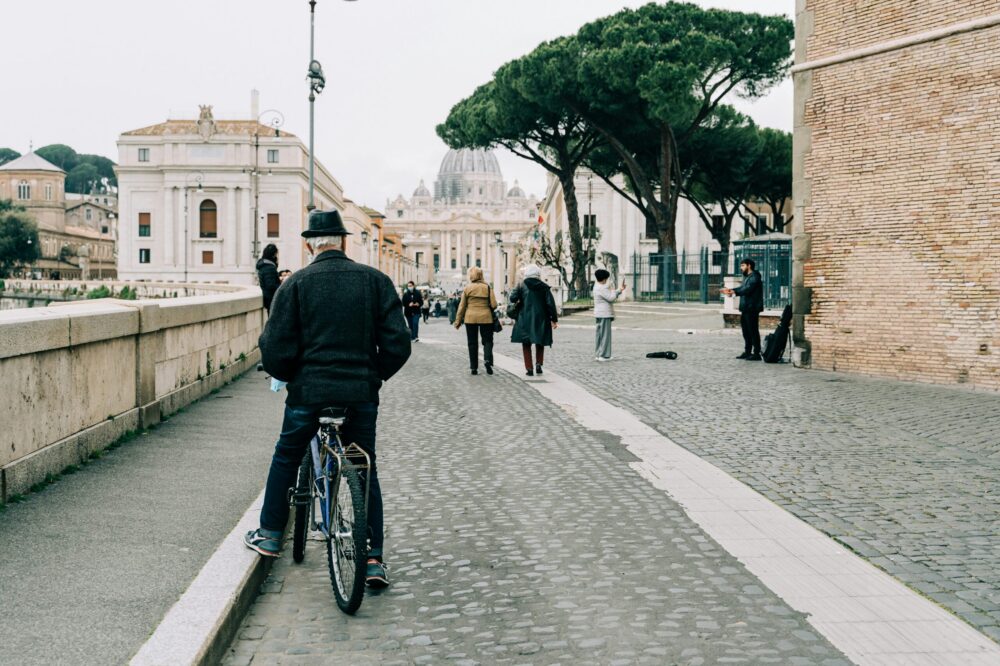
Photo by Gabriella Clare Marino on Unsplash


Are there any options for vegetarians at these fusion restaurants? I love the idea of Japanese-Italian but I don’t eat fish or meat.
Yes, several restaurants offer vegetarian dishes. At Nagò, the gyoza filled with pecorino and mint are vegetarian. Hashimoto often has vegetable-based omakase options if you notify them in advance. Imàgo can also accommodate with their tasting menu, but it’s best to mention dietary needs when booking.
Great article! I’m planning a trip in spring 2026. Which of these would you recommend for a romantic dinner with a view?
For a romantic dinner with a view, Imàgo at the Hassler is unbeatable—it overlooks the Spanish Steps and has a Michelin-starred menu. It’s on the pricier side but perfect for a special evening. Hashimoto is more intimate but lacks a panoramic view. Zuma Roma has a chic atmosphere but is busier.
Do I need reservations way in advance for all of these? I’m worried about getting a table last minute.
Reservations are highly recommended for all, especially Imàgo and Hashimoto, which can be booked weeks ahead. Nagò is slightly easier to get into, but still book a few days prior. Zuma Roma accepts walk-ins for the bar area, but for dinner reservations, book at least a week in advance.
I’ve been to Nagò and loved the spaghetti with sea urchin. Are there any other dishes there you’d recommend trying?
Absolutely! Besides the sea urchin spaghetti, the tuna tartare with avocado and yuzu is a must-try, and the gyoza with pecorino and mint are unique to Nagò. For dessert, the green tea tiramisu is a creative twist that balances bitterness and sweetness perfectly.