
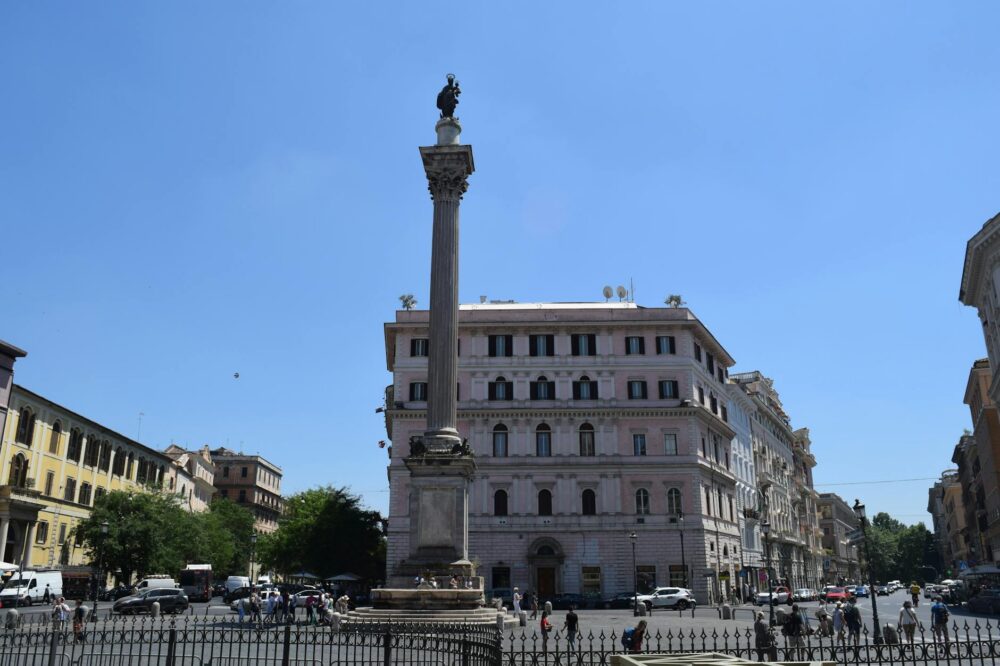
Rome’s culinary scene is evolving, and one of the most exciting trends is the fusion of Japanese precision with Italian soul. If you’re looking for the best restaurants in Rome for a Japanese-Italian fusion 2026, you’re in for a treat. These establishments blend umami-rich ingredients like miso, soy, and dashi with classic Italian pasta, risotto, and seafood, creating dishes that surprise and delight. Whether you’re a local or a traveler, this guide will help you navigate the top spots, what to order, and how to make the most of your meal.
Table des matières:
Why Japanese-Italian Fusion Works in Rome
Both cuisines share a reverence for fresh, high-quality ingredients and simple preparations. Italian cooking emphasizes the natural flavors of produce, seafood, and olive oil, while Japanese cuisine focuses on umami, balance, and presentation. When combined, you get dishes like carbonara with miso, sashimi on bruschetta, or tiramisu with matcha. In 2026, Rome’s fusion restaurants are pushing boundaries even further, incorporating techniques like sous-vide and fermentation.
The Rise of Nikkei and Itameshi in Rome
Nikkei (Peruvian-Japanese) and Itameshi (Italian-Japanese) are two prominent styles. Rome’s chefs are increasingly trained in both traditions, leading to a wave of innovative restaurants. Many are located in central neighborhoods like Trastevere, Monti, and Prati, but hidden gems also exist in less touristy areas.
Top 5 Best Restaurants in Rome for Japanese-Italian Fusion 2026
Here are our top picks, based on quality, creativity, and atmosphere.
1. Zuma Roma
Location: Via della Fontanella, 15 (near Piazza del Popolo)
Why it stands out: Zuma is a global brand, but its Rome outpost adapts to local ingredients. The menu features dishes like spicy beef tenderloin with wasabi and balsamic, and yellowtail sashimi with truffle ponzu. The rooftop terrace offers stunning views of the city.
Must-try: The miso-marinated black cod with a side of roasted Roman artichokes.
2. Imàgo at the Hassler
Location: Piazza della Trinità dei Monti, 6 (on top of the Spanish Steps)
Why it stands out: This Michelin-starred restaurant offers a tasting menu that seamlessly weaves Japanese and Italian flavors. Chef Francesco Apreda uses dashi in risotto and serves a ravioli with shrimp and yuzu. The service is impeccable, and the views are unbeatable.
Must-try: The 8-course “Itameshi” tasting menu – a journey through both cuisines.
3. Nagi Trastevere
Location: Via della Scala, 71 (Trastevere)
Why it stands out: A cozy spot that feels like a hidden gem. Nagi focuses on handmade pasta with Japanese twists, such as tonnarelli with bottarga and shiso, or gyoza filled with pecorino and spinach. The sake list is curated to pair with each dish.
Must-try: The carbonara with miso and guanciale – a brilliant reinterpretation of a Roman classic.
4. Sushi Bar Ristorante Giapponese – Kappou
Location: Via Flaminia, 217 (Flaminio district)
Why it stands out: A more traditional Japanese restaurant that incorporates Italian ingredients. Their omakase menu might include sea urchin from Sardinia with wasabi, or Wagyu beef with truffle salt. The ambiance is minimalist and serene.
Must-try: The Tempura di fiori di zucca (zucchini flower tempura) – a perfect fusion of Roman and Japanese street food.
5. Hasekura
Location: Via dei Serpenti, 12 (Monti)



Why it stands out: This intimate restaurant is run by a Japanese chef who trained in Italy. The menu changes seasonally, featuring dishes like paccheri with ragù of wild boar and miso, or sashimi with basil oil and pine nuts. It’s a true labor of love.
Must-try: The black cod with sake lees and Roman chicory – a bold, bitter-sweet combination.
What to Expect: A Quick Checklist for First-Timers
- Reservations: Book at least a week in advance, especially for dinner. Many top fusion restaurants in Rome have limited seating.
- Dress code: Smart casual is the norm. Avoid shorts and flip-flops at upscale venues.
- Pricing: Expect €50-€150 per person for a full meal with drinks. Tasting menus are usually higher.
- Dietary restrictions: Most restaurants can accommodate vegetarian or gluten-free requests if notified ahead.
- Timing: Lunch is typically 12:30-2:30 PM, dinner from 7:30 PM onwards. Many places close on Mondays.
Common Mistakes to Avoid When Choosing a Fusion Restaurant in Rome
Mistake 1: Assuming all fusion restaurants are equally good. Some places simply add soy sauce to Italian dishes without thought. Look for chefs with genuine training in both cuisines.
Mistake 2: Overlooking the wine and sake pairing. A good fusion restaurant will offer a curated list that complements both flavor profiles. Don’t just order a standard Chianti.
Mistake 3: Going without a reservation. The best spots fill up quickly, especially in high season (spring and fall).
How to Choose the Right Restaurant for Your Taste
Consider the occasion. For a romantic dinner with a view, Imàgo or Zuma are ideal. For a casual night out with friends, Nagi Trastevere offers a relaxed vibe. If you’re a purist who wants to see the fusion done subtly, Hasekura is a great choice. For a full omakase experience, Kappou delivers.
Pairing Wine and Sake with Fusion Dishes
Many fusion restaurants now offer pairing menus. A crisp Vermentino works well with miso-based dishes, while a fruity Pinot Noir can complement soy-glazed meats. For sake, a junmai daiginjo is versatile. Ask your sommelier for recommendations.
Frequently Asked Questions
Is Japanese-Italian fusion expensive in Rome?
It can be, but there are options for different budgets. Nagi Trastevere offers affordable pasta dishes (€15-€25), while Imàgo’s tasting menu starts around €150. Expect to pay more for premium ingredients like truffles or Wagyu.
Do these restaurants cater to vegetarians?
Yes, most do. Dishes like mushroom risotto with miso, or vegetable tempura, are common. Always inform the restaurant in advance.
Can I find halal options?
Some restaurants may offer halal-certified meat or seafood. It’s best to call ahead and check.
What is the best time to visit Rome for food lovers?
Spring (April-May) and autumn (September-October) offer pleasant weather and seasonal ingredients like truffles and artichokes. Avoid August when many restaurants close for holidays.
Are these restaurants kid-friendly?
Some are, but upscale venues like Imàgo may not have a children’s menu. Nagi Trastevere and Hasekura are more accommodating.
How do I make a reservation?
Most restaurants accept online bookings via their websites or platforms like The Fork. For top spots, email or call directly.
Rome’s Japanese-Italian fusion scene in 2026 is more vibrant than ever. Whether you’re a seasoned foodie or a curious traveler, these restaurants offer a unique taste of two worlds harmoniously combined. Don’t hesitate to step out of your comfort zone – you might discover a new favorite dish. Book your table, bring an appetite, and enjoy the best restaurants in Rome for a Japanese-Italian fusion 2026.
Photo by Arunkumar M on Pexels

Great list! I’m planning a trip to Rome in 2026 and love Japanese-Italian fusion. Are these restaurants suitable for solo diners, or do they mostly have large tables?
Glad you liked the list! Most of these restaurants, like Zuma Roma and Nagi Trastevere, have bar seating or small tables that work well for solo diners. Imàgo at the Hassler also offers counter seating near the open kitchen. It’s always a good idea to mention your preference when booking.