
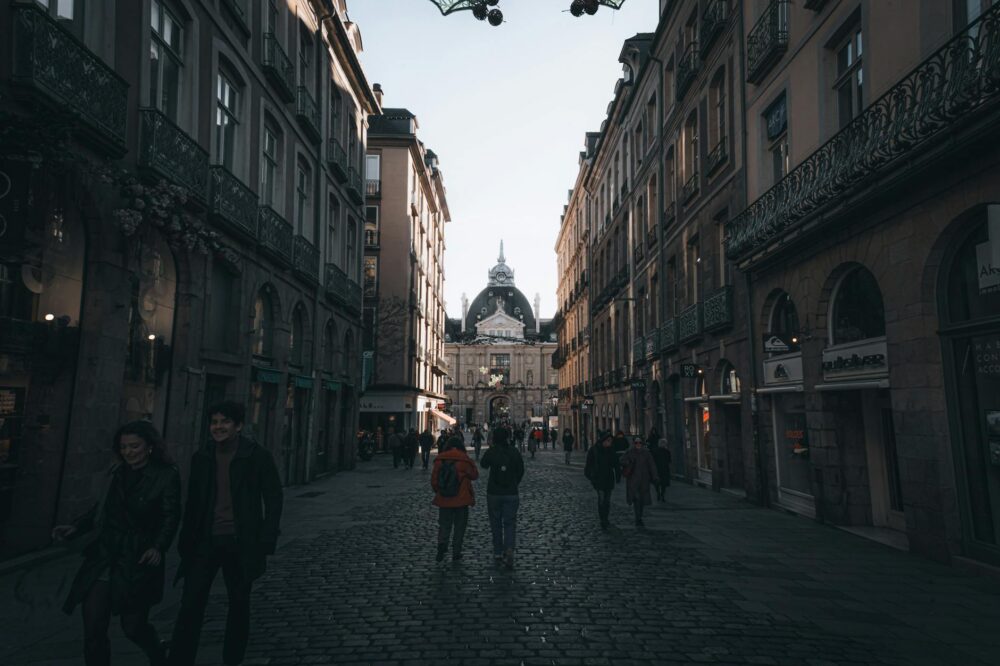
Montpellier Travel Guide: Discover the Heart of Occitanie
Welcome to Montpellier, a sun-drenched city in southern France that blends medieval charm with a vibrant, modern energy. Whether you’re a first-time visitor or a seasoned traveler, this Montpellier Travel Guide will help you uncover the city’s best experiences, from its historic center to its nearby Mediterranean beaches. Let’s dive in.
Why Visit Montpellier?
Montpellier is one of France’s fastest-growing cities, and for good reason. It boasts a rich history, a youthful vibe thanks to its large student population, and a location that puts both mountains and sea within easy reach. Unlike the more tourist-crowded Provence, Montpellier offers an authentic taste of Occitanie without the overwhelm. The city is walkable, bike-friendly, and packed with cultural treasures.
What Makes Montpellier Unique?
- Historic Center (Écusson): A maze of narrow streets, medieval squares, and elegant mansions.
- Sunshine: Over 300 days of sunshine per year—perfect for exploring.
- Gastronomy: From Languedoc wines to fresh seafood, the food scene is outstanding.
- Proximity to Beaches: The Mediterranean coast is just a 15-minute tram ride away.
- Affordable Luxury: Compared to Paris or Nice, Montpellier offers great value.
Best Time to Visit Montpellier
The best time to visit Montpellier is during spring (April to June) and early autumn (September to October). The weather is warm but not scorching, and the tourist crowds are thinner. July and August are hot and busy, but the city’s beaches and air-conditioned museums offer relief. Winter is mild, with fewer tourists and lower prices—ideal for a quiet getaway.
Seasonal Highlights
| Season | Weather | Pros | Cons |
|---|---|---|---|
| Spring | 15-25°C | Blooming gardens, outdoor markets | Occasional rain |
| Summer | 25-35°C | Beach season, festivals | High prices, crowds |
| Autumn | 15-25°C | Harvest season, wine events | Shorter days |
| Winter | 5-15°C | Low prices, fewer tourists | Some attractions closed |
Top Attractions in Montpellier
Montpellier is a city of contrasts. Here are the must-see spots, from iconic landmarks to local secrets.
Place de la Comédie
The beating heart of Montpellier, this grand square is dominated by the Opéra Comédie and surrounded by cafes, shops, and fountains. It’s the perfect starting point for any exploration. Tip: Grab a coffee at one of the terraces and watch the world go by.
Musée Fabre
One of France’s finest art museums, housing works from Renaissance to contemporary. Don’t miss the collection of European paintings and the beautiful courtyard garden. Admission is free on the first Sunday of each month.
Promenade du Peyrou
A monumental promenade featuring a statue of Louis XIV, a water tower, and a stunning view of the city. At the end, you’ll find the Arc de Triomphe, built to honor the Sun King. Walk through the adjacent Jardin des Plantes, France’s oldest botanical garden.
Saint-Pierre Cathedral
This Gothic cathedral is known for its massive porch supported by two round towers. Inside, admire the stained glass and the serene atmosphere. It’s a short walk from the university district.
Le Petit Paradis de Montpellier
A hidden gem: a tiny courtyard filled with flowers, fountains, and mosaics. It’s a peaceful escape from the bustling streets. Look for the entrance on Rue de l’Aiguillerie.
Where to Eat and Drink
Montpellier’s culinary scene is a delight. From traditional bistros to trendy tapas bars, here’s where to satisfy your cravings.
Local Specialties to Try
- Brandade de Morue: A creamy codfish purée, often served with toast.
- Petit Pâté de Pézenas: A sweet-and-savory meat pie from the nearby town of Pézenas.
- Languedoc Wines: Try Picpoul de Pinet or a rich red from Saint-Chinian.
- Tapenade: Olive spread, perfect with crusty bread.
Best Restaurants
- Le Jardin des Sens: Michelin-starred dining with a focus on local ingredients.
- La Réserve Rimbaud: Riverside spot for fresh seafood and grilled meats.
- Burgir: A local chain serving gourmet burgers—surprisingly good.
- Les Halles de la Mer: A food market with oyster bars and fresh produce.
Getting Around Montpellier
Montpellier is highly walkable, but its public transport system is excellent. The tram network is modern and efficient, with four lines connecting the city center to suburbs and beaches. A single ticket costs €1.70 and is valid for one hour. Biking is also popular; rent a bike from the Vélomagg’ stations for a small fee. For day trips, the train station (Gare Saint-Roch) offers regional connections.
Mistakes to Avoid
- Don’t drive in the city center: parking is scarce and expensive.
- Avoid eating at restaurants directly on Place de la Comédie—they’re tourist traps.
- Don’t skip the museums: many are world-class and undervisited.
- Don’t assume everyone speaks English; learn a few French phrases.
Day Trips from Montpellier
Montpellier’s location makes it a great base for exploring Occitanie. Here are three popular excursions.
1. The Beaches: Palavas-les-Flots
Just 15 minutes by tram, Palavas offers sandy beaches, a lively promenade, and seafood restaurants. For a quieter option, head to Carnon or La Grande-Motte.
2. Pont du Gard
A stunning Roman aqueduct bridge, about 45 minutes north. It’s a UNESCO World Heritage site and a marvel of ancient engineering. Bring a swimsuit—you can swim in the river below.
3. Carcassonne
A fairy-tale medieval fortress city, about 1.5 hours by train. Walk the ramparts, explore the cobbled streets, and enjoy the views.
Practical Travel Tips
Here’s a checklist to help you prepare for your Montpellier trip.
- Accommodation: Book early for summer; consider staying in the Écusson for convenience.
- Packing: Comfortable walking shoes, sunscreen, a light jacket for evenings.
- Money: Credit cards are widely accepted, but carry some cash for markets.
- Language: Basic French phrases go a long way.
- Safety: Montpellier is generally safe, but watch for pickpockets in crowded areas.
Frequently Asked Questions
Is Montpellier worth visiting?
Absolutely. Montpellier offers a perfect mix of history, culture, and beach life without the high prices of the French Riviera.
How many days do you need in Montpellier?
Three days is ideal: one for the city center, one for museums and parks, and one for a day trip to the beach or Pont du Gard.
What is the best way to get from Montpellier Airport to the city?
Take the tram line 1 from the airport to the city center. It runs every 15 minutes and takes about 30 minutes.
Can you visit Montpellier on a budget?
Yes. Many attractions are free or cheap, and affordable eateries abound. Look for student-friendly spots.
What is the nightlife like in Montpellier?
Lively, especially around Rue de la Loge and Place Jean Jaurès. There are bars, clubs, and live music venues to suit all tastes.
Is Montpellier safe for solo travelers?
Yes, it’s very safe. The city is well-lit and busy at night. Stick to main streets and use common sense.
Conclusion
This Montpellier Travel Guide has covered the essentials to help you plan a memorable trip. From the historic charm of the Écusson to the sunny beaches of the Mediterranean, Montpellier is a destination that surprises and delights. Whether you’re savoring local wines, exploring Roman ruins, or simply soaking up the atmosphere, you’ll find that Montpellier offers an authentic French experience that’s both accessible and enriching. Start planning your journey today—you won’t regret it.
Photo by Newman Photographs on Pexels