
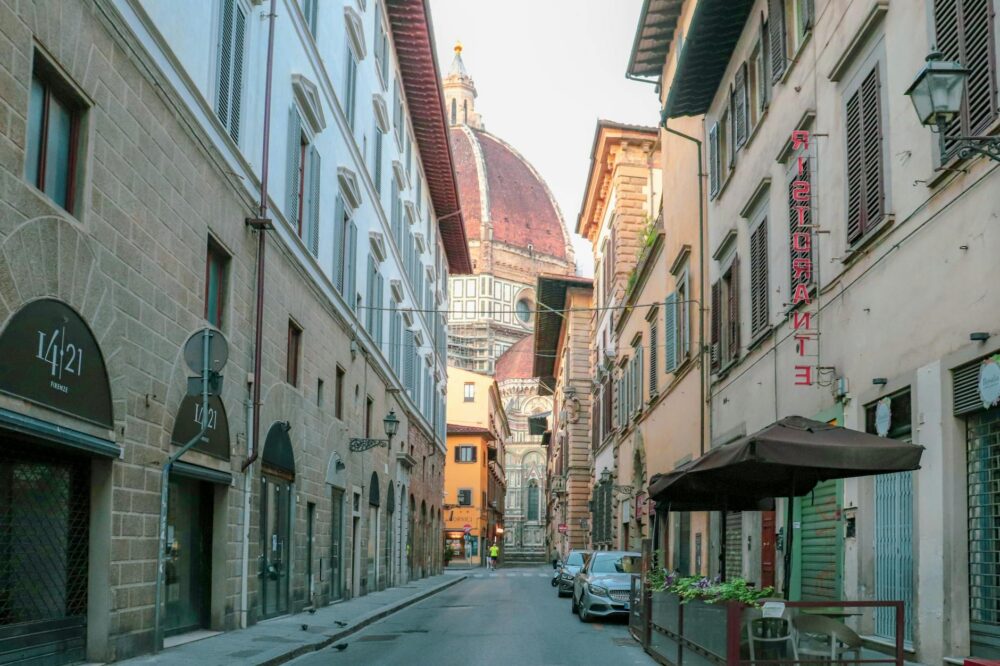
Florence, the cradle of the Renaissance, is also a city that takes its coffee seriously. While the classic Italian espresso remains king, the art of the latte—a smooth, velvety blend of espresso and steamed milk—has found its place among discerning locals and travelers alike. If you’re wondering where to get the best latte in Florence in 2026, you’re in for a treat. The city’s coffee scene has evolved, embracing third-wave trends while honoring tradition. This guide cuts through the noise to deliver the definitive list, practical tips, and insider knowledge to elevate your coffee experience.
Table des matières:
The Evolution of Florence’s Latte Culture
Florence has long been a bastion of espresso culture, but the latte (or caffè latte) has gained traction as specialty coffee roasters set up shop. In 2026, you’ll find a blend of classic Italian cafés serving a proper latte and modern spots focusing on single-origin beans and precise extraction. The key difference? Quality of milk, freshness of roast, and barista skill. Avoid tourist traps near the Duomo; instead, venture to neighborhoods like Oltrarno, San Frediano, and Santa Croce for the real deal.
Top Picks for the Best Latte in Florence in 2026
1. Ditta Artigianale – The Pioneer of Specialty Coffee
Founded by Francesco Sanapo, a multiple Italian barista champion, Ditta Artigianale has two locations (Via dei Neri and Via dello Sprone). Their latte is a masterpiece: a double ristretto topped with microfoam that holds its shape. They rotate single-origin beans, so each visit offers a new flavor profile. Pair it with their homemade pastries.
Pro tip: Order the “latte art” option—baristas create intricate designs, and the taste is equally impressive.
2. La Ménagère – Where Design Meets Coffee
Part café, part concept store, La Ménagère on Via de’ Ginori serves a latte that balances robust espresso with creamy milk. The ambiance is Instagram-worthy, but the coffee is serious. They use beans from top Italian roasters, and the baristas are trained to perfection. Arrive early to snag a seat in the courtyard.
3. Le Follie di Romualdo – A Hidden Gem
Tucked away on Via del Corso, this small café is a local favorite. Their latte is served in a ceramic cup, with a thick layer of foam and a strong espresso base. The owner, Romualdo, sources beans directly from small producers. It’s unpretentious and authentic—exactly what you want for a morning pick-me-up.
4. Caffè Gilli – Historic Elegance
Opened in 1733, Caffè Gilli on Via Roma offers a latte experience steeped in history. While it’s a tourist magnet, the quality holds up. Their latte is classic: a smooth, balanced drink with a hint of chocolate from the espresso blend. Sit at the bar for the full experience.
5. Simbiosi – Organic and Sustainable
Simbiosi, near Piazza della Signoria, focuses on organic, fair-trade coffee. Their latte uses oat milk as an option, and the espresso is bright and fruity. It’s a great choice for those with dietary preferences. The minimalist decor lets the coffee shine.
What Makes a Great Latte in Florence? A Practical Checklist
Before you order, know what to look for. Use this checklist to judge any latte:
- Espresso quality: Freshly ground, dark crema, no bitterness.
- Milk temperature: 60–65°C (140–150°F)—hot but not scalding.
- Microfoam: Silky, no large bubbles, able to pour latte art.
- Ratio: Typically 1 part espresso to 2–3 parts milk. In Florence, expect a stronger coffee flavor.
- Service: A smile and a well-presented cup matter.
Neighborhood Guide: Where to Find Latte Hotspots
Oltrarno: The Artisan Quarter
Cross the Arno to Oltrarno for a less touristy vibe. Ditta Artigianale (Via dello Sprone) and Gusto Leo are must-visits. The area is home to artisan workshops, so you can combine coffee with browsing leather goods.
San Marco & Piazza della Libertà


Near the university, you’ll find In Caffè and Piansa. These spots cater to students and offer affordable lattes without sacrificing quality. Try a latte with almond milk at Piansa for a twist.
Santa Croce
This neighborhood boasts Ditta Artigianale (Via dei Neri) and Le Follie di Romualdo. After your latte, visit the Basilica of Santa Croce—a perfect cultural pairing.
Common Mistakes When Ordering a Latte in Florence
- Ordering a latte after 11 a.m.: Italians rarely drink milk-based coffees after breakfast. You might get a strange look, but specialty cafés are more flexible.
- Expecting a giant cup: A true latte is 150–200 ml, not a giant Starbucks size. Embrace the smaller, more concentrated experience.
- Not specifying your milk preference: If you want oat or soy, ask explicitly. Many cafés now offer alternatives.
- Skipping the espresso shot: Some places use a single shot; if you want a stronger latte, ask for a double (doppio).
Latte vs. Other Milk-Based Coffees: A Quick Comparison
| Drink | Espresso Shots | Milk Texture | Typical Size |
|---|---|---|---|
| Latte (Caffè Latte) | 1 (or 2) | Thin microfoam, mostly steamed milk | 150–200 ml |
| Cappuccino | 1 | Thick foam, equal parts milk and foam | 150–180 ml |
| Flat White | 2 (ristretto) | Velvety microfoam, no separate foam layer | 160–200 ml |
| Macchiato | 1 | A dollop of foam | 30–60 ml |
Frequently Asked Questions About Latte in Florence
Is a latte the same as a caffè latte in Italy?
Yes, but in Italy, a caffè latte is typically served only at breakfast. In specialty cafés, you can order it anytime. Be specific: say “un caffè latte, per favore.”
Can I get a latte with non-dairy milk in Florence?
Absolutely. Many third-wave cafés offer oat, soy, and almond milk. Ditta Artigianale and Simbiosi are excellent options. Expect a small surcharge.
How much does a latte cost in Florence in 2026?
Prices range from €3.50 to €5.50 depending on the location and quality. Tourist-heavy areas may charge more, while local cafés offer better value.
What is the best time to drink a latte in Florence?
Traditionally, lattes are morning drinks. However, specialty cafés serve them all day. Avoid ordering a latte after dinner—opt for an espresso instead.
Are there any latte art competitions in Florence?
Yes, Florence hosts local latte art championships and workshops. Check Ditta Artigianale’s events calendar for upcoming sessions.
What’s the difference between a latte and a cappuccino?
A latte has more steamed milk and less foam, while a cappuccino has equal parts espresso, steamed milk, and foam. The latte is smoother and less frothy.
Final Thoughts on Finding the Best Latte in Florence in 2026
Florence’s coffee scene in 2026 is vibrant and diverse. Whether you’re a purist seeking a classic Italian latte or an adventurer wanting single-origin pour-overs, the city delivers. Start your journey at Ditta Artigianale for a benchmark experience, then explore hidden gems like Le Follie di Romualdo. Use the checklist to judge quality, avoid tourist traps, and embrace the local coffee culture. Remember, the best latte isn’t just about the drink—it’s about the atmosphere, the barista’s passion, and the moment you savor it. So go ahead, order that latte, and taste why Florence remains a coffee lover’s paradise.
Now it’s your turn: which café will you try first? Share your experience or bookmark this guide for your trip. Buona degustazione!
Photo by Claudia Solano on Pexels
Great guide! I’m planning a trip in spring 2026. Do any of these places offer oat milk lattes? I’m lactose intolerant.
Yes, several spots cater to dietary needs. Simbiosi is highlighted for its organic coffee and oat milk option. Ditta Artigianale also offers alternative milks—just ask at the counter. Most specialty cafés in Florence are accommodating, but it’s always best to confirm directly.
I love that you mentioned Le Follie di Romualdo. Is it easy to find? I always worry about missing hidden gems.
It’s on Via del Corso, a busy street, but the café is small and easy to walk past. Look for a modest storefront with a ceramic cup sign. Using a map app is helpful. Once inside, the cozy atmosphere and excellent latte make the search worthwhile.
How does the latte at Ditta Artigianale compare to a traditional Italian caffè latte? I want something authentic but modern.
Ditta Artigianale offers a modern twist: they use a double ristretto for a bolder flavor and focus on microfoam texture. Traditional Italian lattes are often milder with less foam. If you want both authenticity and innovation, their rotating single-origin beans give you a taste of modern Florentine coffee culture.
I’ve been to Caffè Gilli and found it touristy. Is it still worth it for the latte?
Caffè Gilli can be crowded, but their latte is consistently good—classic and balanced. For a more intimate experience, sit at the bar rather than a table (which costs more). If you’re in the area and want a quick quality latte with history, it’s worth a stop. Otherwise, try Ditta Artigianale for a quieter vibe.
Do you have any tips for ordering a latte in Florence without getting a cappuccino? I’ve heard the names can be confusing.
In Italy, ordering ‘un latte’ will get you a glass of milk. Ask for ‘un caffè latte’ or ‘un latte macchiato’ (more milk) for the drink you want. To avoid confusion, simply say ‘un caffè latte’ or point to the menu. Most specialty cafés in the guide are used to international customers and will understand.
What time of day is best to visit these cafés to avoid crowds?
Mornings (around 8-10 am) are busy with locals, but the coffee is freshest. For a quieter experience, try mid-afternoon (2-4 pm) when the lunch rush ends. La Ménagère and Ditta Artigianale can be packed on weekends, so aim for weekdays if possible. Le Follie di Romualdo is less crowded overall.
I appreciate the focus on neighborhoods. Are there any good latte spots in the Oltrarno area not mentioned?
Absolutely! In Oltrarno, try ‘Caffè degli Artigiani’ on Via dello Sprone for a solid latte in a lively artisan district. Another is ‘Gelateria della Passera’ (yes, they serve coffee) near Piazza della Passera—their latte is simple but delicious. Both are within walking distance of Ditta Artigianale’s second location.