
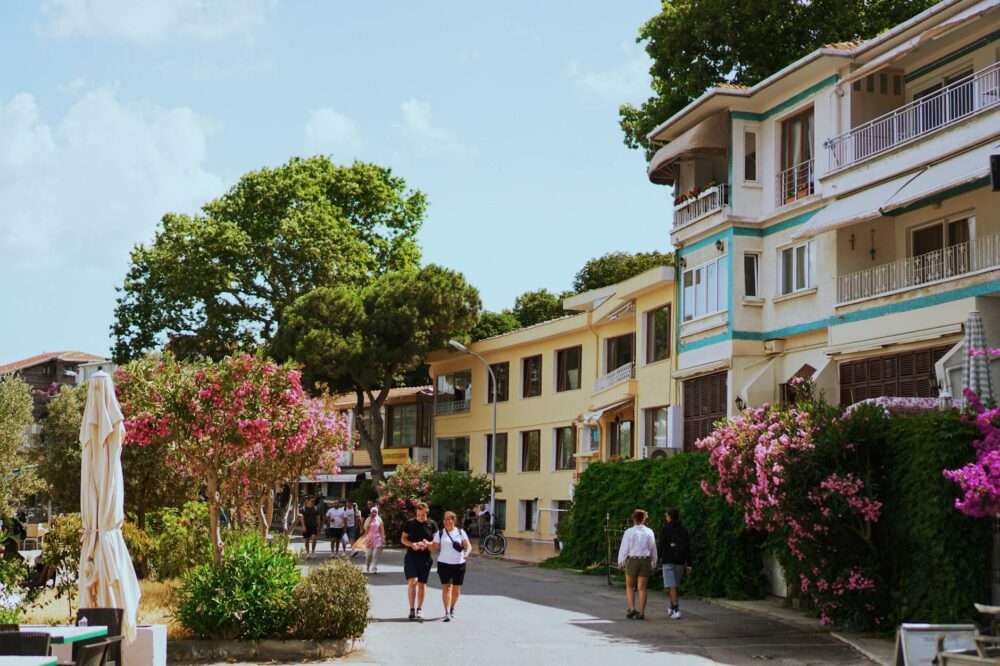
If you’ve ever watched a vendor slowly roasting coffee in hot sand, you know the allure of Turkish coffee with sand. This ancient brewing method produces a velvety, aromatic cup unlike any other. But where can you find the best Turkish coffee with sand? Whether you’re in Istanbul or searching abroad, this guide reveals the top spots, what to look for, and how to experience the real deal.
Table des matières:
What Is Turkish Coffee with Sand?
Turkish coffee with sand, also called sand coffee, is brewed by placing a small copper pot (cezve) in hot sand. The sand is heated over a fire or electric burner, allowing for precise temperature control. This slow, even heat extracts the coffee’s full flavor without burning it. The result is a thick, unfiltered brew with a rich foam layer.
Why Sand Brewing Matters
Sand brewing isn’t just a gimmick. It provides consistent heat that traditional stovetops can’t match. The sand acts as a thermal mass, keeping the temperature steady. This method also creates a signature foam—a hallmark of well-made Turkish coffee. Without sand, achieving that perfect foam is much harder.
Top Destinations for Authentic Sand Coffee
Istanbul: The Heart of Sand Coffee Culture
Istanbul is the ultimate destination for Turkish coffee with sand. The city’s historic cafes and street vendors have perfected this craft. Here are the must-visit spots:
- Mırra Cafe (Sultanahmet) – Famous for its sand-brewed coffee and Ottoman-style presentation. Located near the Blue Mosque.
- Kurukahveci Mehmet Efendi (Eminönü) – A historic roastery that also serves sand coffee. Try their fresh grounds.
- Çorlulu Ali Paşa Medresesi (Beyazıt) – A hidden courtyard cafe where sand coffee is brewed over charcoal.
- Mado (multiple locations) – Known for Turkish coffee and desserts, with sand brewing at select branches.
Pro Tips for Istanbul
Visit during off-peak hours to watch the brewing process. Ask for orta şekerli (medium sugar) if you’re unsure about sweetness. Always sip slowly—the grounds settle at the bottom.
Beyond Istanbul: Other Turkish Cities
While Istanbul dominates, other cities offer excellent sand coffee:
- Antalya – Beachfront cafes in Kaleiçi serve sand coffee with a view.
- İzmir – Kemeraltı Bazaar has vendors brewing sand coffee among spice stalls.
- Bursa – Try sand coffee at historic hans like Koza Han.
International Spots for Turkish Coffee with Sand
You don’t have to be in Turkey to enjoy authentic sand coffee. Many cities worldwide have cafes that replicate the tradition. Here are the best:
| City | Cafe | Notes |
|---|---|---|
| New York | Turkish Coffee Room | Uses traditional sand; also serves baklava. |
| London | Pera Cafe | Sand brewing in a cozy setting near Oxford Street. |
| Dubai | Mado Dubai | Turkish chain with sand coffee in the mall. |
| Sydney | Pazar Food Collective | Pop-up events with sand coffee. |
How to Identify Authentic Sand Coffee Abroad
Not every cafe that claims to serve sand coffee is genuine. Look for these signs:
- The sand is heated visibly—not just a pot on a burner.
- The barista rotates the cezve in the sand to control heat.
- Foam is abundant and thick, not bubbly.
- The coffee is served with a glass of water and Turkish delight.
What to Expect: Taste, Texture, and Ritual
Turkish coffee with sand is more than a drink—it’s an experience. The flavor is bold, slightly smoky, and often cardamom-infused. The texture is thick and syrupy, with fine grounds settling at the bottom. The ritual includes waiting for the grounds to settle, sipping slowly, and sometimes fortune-telling from the sediment.
Common Mistakes to Avoid
- Stirring after brewing – This disturbs the grounds and ruins the texture.
- Drinking the grounds – Stop before you reach the bottom.
- Adding milk – Traditional Turkish coffee is never served with milk.
- Skipping the water – The water cleanses your palate before each sip.
Can You Make Sand Coffee at Home?
Yes, but it requires patience. You can use a hot sand machine (available online) or a heavy-bottomed pan filled with sand. Heat the sand on a stove, then bury the cezve. The key is maintaining even heat. Alternatively, use a low flame on a stovetop and mimic the slow heating process.
Equipment Checklist for Home Sand Coffee
- Copper or brass cezve (small pot)
- Fine-ground Turkish coffee (preferably from a Turkish roaster)
- Cold water
- Sugar (optional)
- Sand (play sand or silica sand, food-safe)
- Heat source (camp stove or electric burner)
People Also Ask About Turkish Coffee with Sand
Is sand coffee better than regular Turkish coffee?


Sand coffee offers more consistent heat and better foam, but the flavor difference is subtle. Many purists prefer sand brewing for its authenticity.
How much does sand coffee cost?
In Turkey, a cup ranges from 30 to 80 Turkish Lira ($1–$3). In international cafes, expect $5–$10.
Can I reuse the sand?
Yes, the sand can be reused indefinitely if kept dry. However, it may absorb coffee oils over time, so replace it occasionally.
What’s the best sugar level for beginners?
Start with orta şekerli (medium) or az şekerli (little). Avoid şekersiz (unsweetened) if you’re not used to bitter coffee.
Final Thoughts on Finding the Best Sand Coffee
Whether you’re exploring Istanbul’s historic alleys or visiting a specialty cafe abroad, the best Turkish coffee with sand combines quality beans, skilled brewing, and a respectful ritual. Seek out places where the sand is hot, the foam is thick, and the experience is unhurried. Your perfect cup awaits—just remember to sip slowly and enjoy the moment.
Ready to find your next sand coffee experience? Start with the recommendations above, or ask locals for their hidden gems. And if you’re feeling adventurous, try brewing it yourself at home.
Frequently Asked Questions
Where did Turkish coffee with sand originate?
The method originated in the Middle East and became popular in Ottoman coffeehouses. It’s still a staple in Turkey and parts of the Arab world.
Is sand coffee the same as Arabic coffee?
No. Arabic coffee is often spiced with cardamom and served lighter, while Turkish coffee is more concentrated and unfiltered. However, both use similar brewing techniques.
Can I find sand coffee in the United States?
Yes, cities like New York, Los Angeles, and Chicago have Turkish cafes that offer sand coffee. Check online reviews for authenticity.
What kind of coffee beans are used?
Traditionally, Arabica beans from Brazil or Yemen are used. The beans are roasted light to medium and ground to a fine powder.
How do you clean a cezve after sand coffee?
Rinse with warm water and a soft brush. Avoid soap, which can leave residue. Dry thoroughly to prevent rust.
Is sand coffee gluten-free?
Yes, pure Turkish coffee is gluten-free. However, some flavored versions may contain additives, so check ingredients.
Photo by Nihat Küçük on Pexels

I’m planning a trip to Istanbul and really want to try sand coffee. Is it easy to find vendors in tourist areas like Sultanahmet, or do I need to seek out specific cafes?
Great question! In Sultanahmet, you’ll find several cafes offering sand coffee, with Mırra Cafe being a top choice near the Blue Mosque. Street vendors are also common, but for the full experience, seek out dedicated cafes where you can watch the brewing process.